Science & Engineering The Pacific Ocean is so large that all the world’s land could fit inside it, and… By Space Daily Editorial Team · Jun 3, 2026
Science & Engineering Earth has gone through five mass extinction events in its history, each wiping out… By Space Daily Editorial Team · Jun 3, 2026
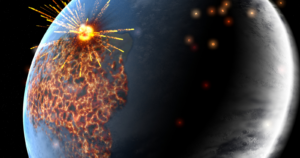
Science & Engineering The asteroid that ended the dinosaurs did not just leave a crater, it turned the… By Space Daily Editorial Team · Jun 3, 2026
Science & Engineering The Amazon’s ancient drainage system once ran the other way, carrying water and… By Space Daily Editorial Team · Jun 3, 2026
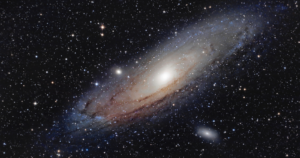
Science & Engineering The light from the Andromeda Galaxy — the most distant object visible to the naked… By Space Daily Editorial Team · Jun 3, 2026
Science & Engineering Laughter is linked to reward processing and lower cortisol, but brain-rewiring… By Space Daily Editorial Team · Jun 3, 2026
Science & Engineering A lost continent lies in pieces beneath southern Europe By Space Daily Editorial Team · Jun 2, 2026
Science & Engineering Parts of Canada are quietly short on gravity By Space Daily Editorial Team · Jun 2, 2026
Science & Engineering The Eye of the Sahara is a giant bullseye in the Mauritanian desert, up to fifty… By Space Daily Editorial Team · Jun 2, 2026
Science & Engineering Cats can't taste sweetness — evolution turned off the relevant gene in their… By Space Daily Editorial Team · Jun 1, 2026
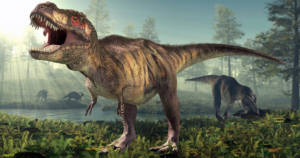
Science & Engineering Tyrannosaurus rex lived closer in time to humans than to Stegosaurus By Space Daily Editorial Team · Jun 1, 2026
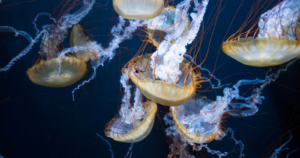
Science & Engineering There is a species of jellyfish that is essentially immortal By Space Daily Editorial Team · Jun 1, 2026
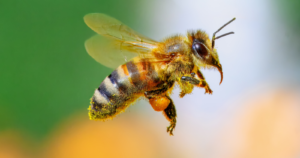
Science & Engineering Honeybees can recognize human faces — they can be trained to distinguish between… By Space Daily Editorial Team · Jun 1, 2026
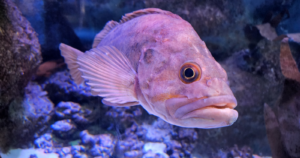
Science & Engineering There is a fish that can live more than a hundred years By Space Daily Editorial Team · Jun 1, 2026
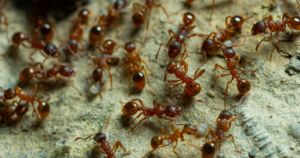
Science & Engineering There are about 20 quadrillion ants alive on Earth at any moment By Space Daily Editorial Team · Jun 1, 2026
Science & Engineering Bananas are slightly radioactive — they contain potassium-40, a naturally occurring… By Space Daily Editorial Team · Jun 1, 2026