Space, science, and the human mind. Since 1995.
Long Reads

Deeper reporting,
thinking made visible.

Original investigations, profile features, and longer essays from the Space Daily editorial team. Pieces published here go through additional research and review.

Science

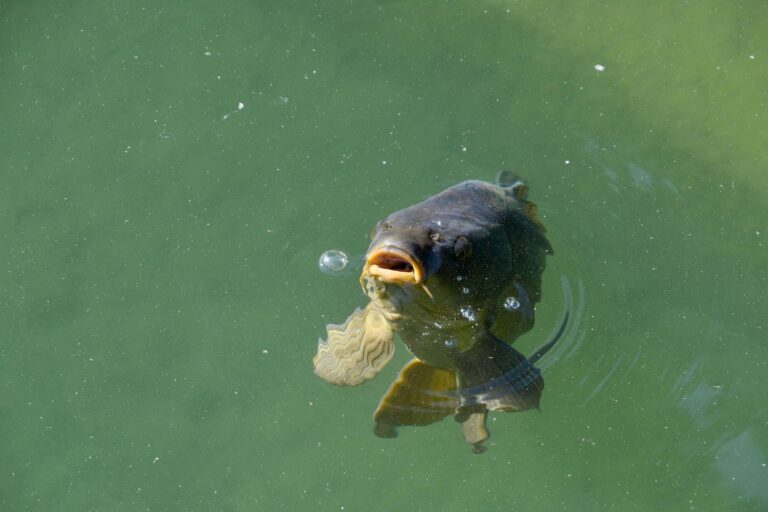
A tongue-eating louse called Cymothoa exigua swims into a fish's gills, latches onto its tongue, drinks the blood until the tongue withers and falls off, and then spends the rest of its life acting as a functional replacement tongue the fish uses normally to eat.

In the warm coastal waters off the Gulf of California, a small crustacean about the length of a paperclip swims into the gill slit of a spotted rose snapper, crawls forward into the mouth, sinks its hooked legs into the fish's tongue, and begins to drink.

Science

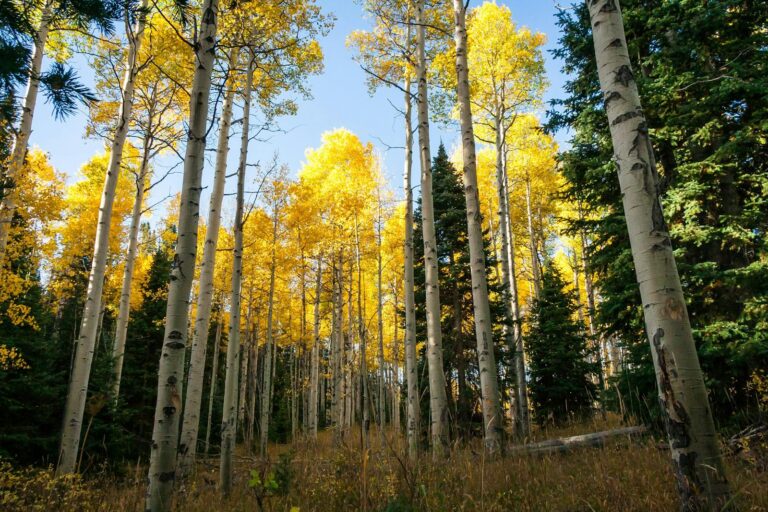
A single aspen grove in Utah called Pando is one organism sharing a 106-acre root system and 47,000 genetically identical trunks, weighs roughly 6,000 tons, and has been quietly cloning itself for somewhere between 9,000 and 80,000 years while every visible trunk above it lives and dies on a 130-year cycle.

In south-central Utah, beside a two-lane highway that cuts through Fishlake National Forest, stands a tree that covers 106 acres, weighs roughly 6,000 tons, and has been alive for somewhere between 9,000 and 80,000 years.

Constellation

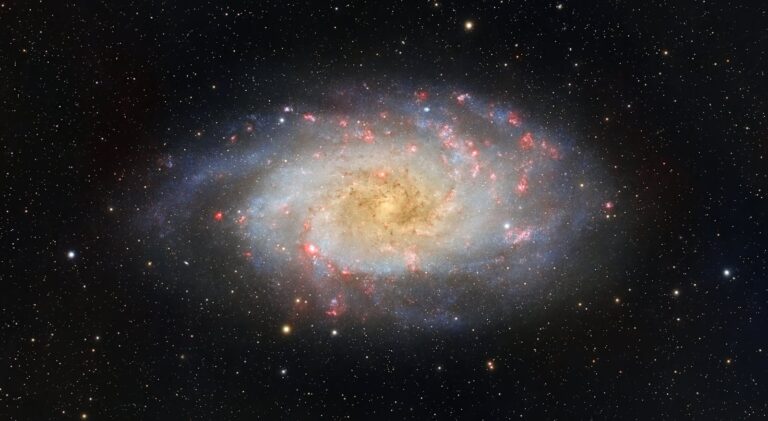
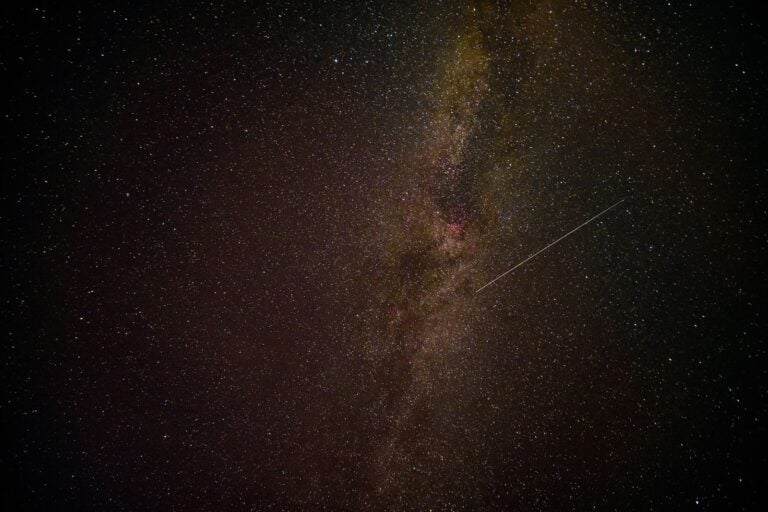
JWST resolved a galaxy from 800 million years after the Big Bang while NEO Surveyor — the only NASA mission Congress has required by statute — remains roughly 30 years behind its city-killer catalog deadline, and the gap is a lesson in what makes a problem fundable inside the same agency

Astronomers using the James Webb Space Telescope have achieved remarkable results in observing ultra-faint galaxies from the early universe, detecting light that has traveled for roughly 13 billion years.