What's up in
Science
Physics, climate, planetary science, and the research that shapes how we understand the universe and our place in it.
Science
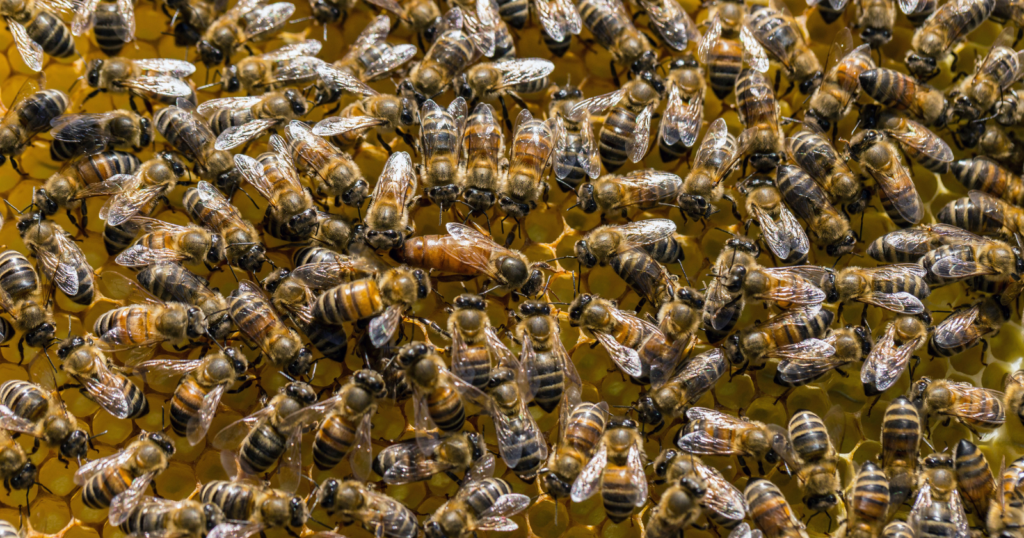
Scientists found an estimated 5.5 million wild bees living beneath a New York cemetery — millions of solitary insects packed into underground burrows across just 1.5 acres, creating one of the largest nesting aggregations ever recorded at a site where the species has quietly survived for generations
A shortcut through a graveyard revealed millions of bees living invisibly beneath New York soil—a discovery that rewrites what scientists thought possible about solitary insect colonies.
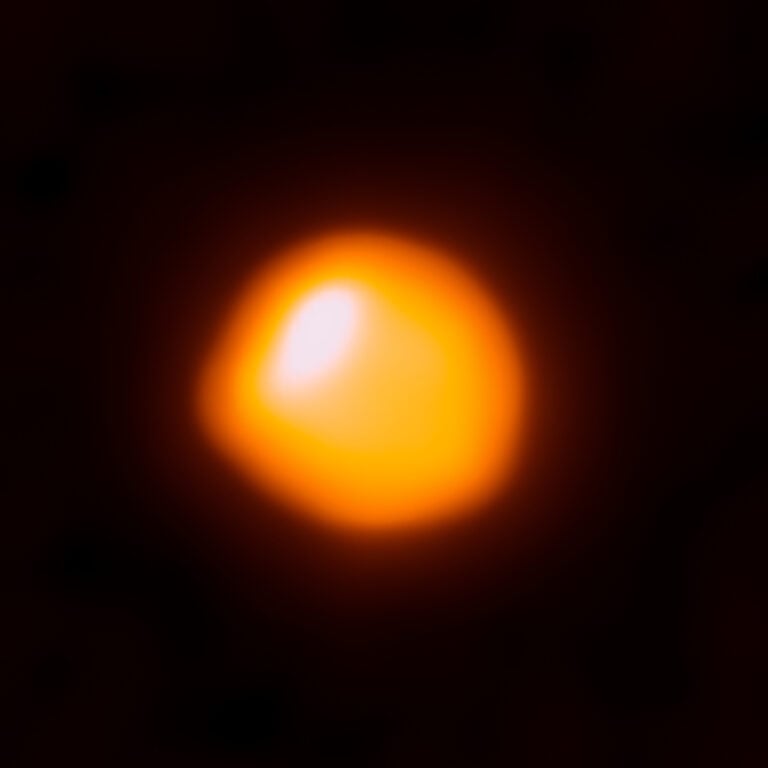
Betelgeuse's northeast hotspot held its spot from 2015 to 2023, outliving the large convective structures current models predict
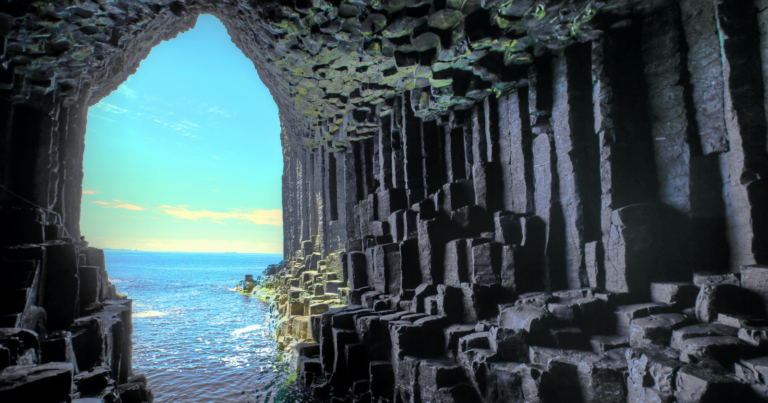
Atlantic waves carved a concert hall into 60-million-year-old volcanic rock off Scotland — when Mendelssohn heard the strange acoustics inside Fingal’s Cave, he went home with the opening notes of an overture already in his head
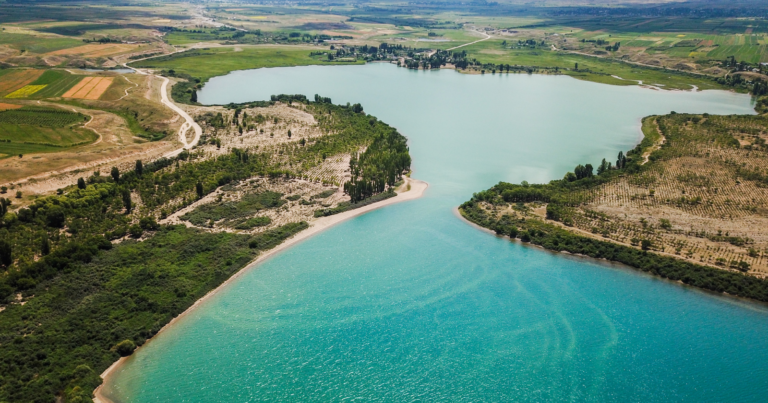
Just metres beneath Kyrgyzstan’s Lake Issyk-Kul, archaeologists found a medieval necropolis and the ruins of a Silk Road city swallowed by an earthquake 600 years ago — a disaster researchers compare to Pompeii
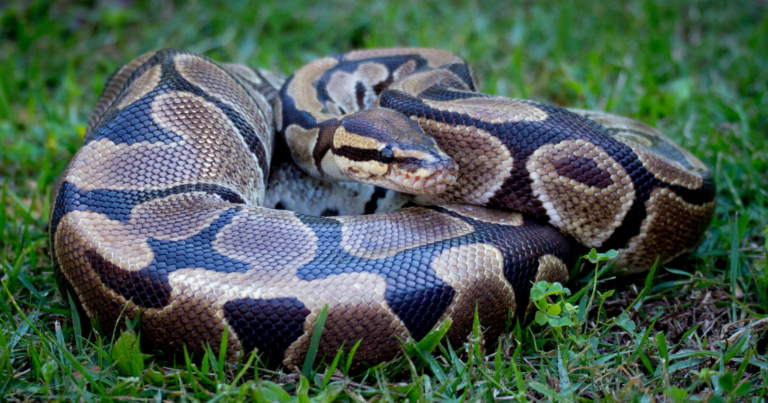
Florida is fighting its Burmese python invasion by putting GPS collars on opossums — when a python swallows one, the tracker keeps transmitting from inside the snake and leads researchers straight to it
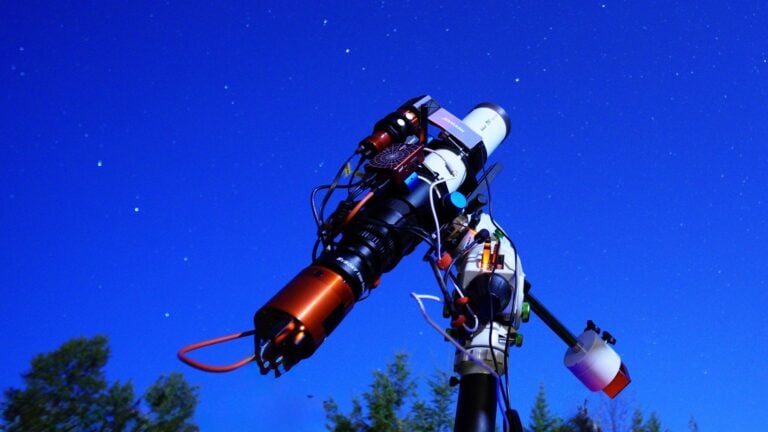
On 13 April 2029, the roughly Eiffel Tower-sized asteroid Apophis will safely pass just 32,000 kilometres above Earth—inside the orbit of many geosynchronous satellites—and briefly become visible to the naked eye under clear, dark skies for around two billion people across Europe, Africa and parts of Asia, during a close encounter expected only about once per millennium.
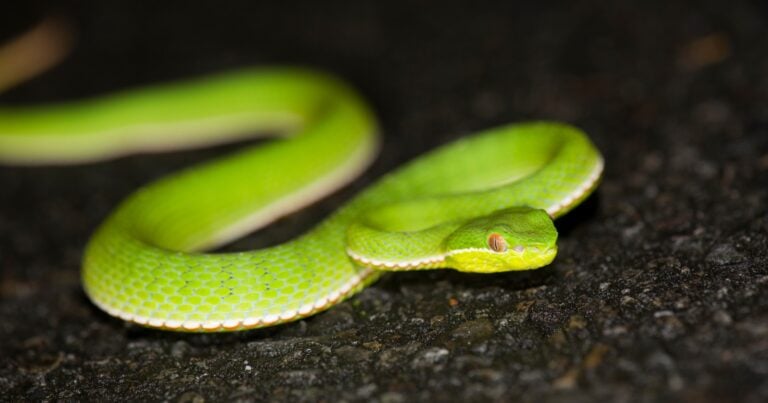
A researcher at a Chengdu university was bitten on the ring finger by a grass-green pitviper from Mount Emei at 22:15 on a September night, the swelling reached his elbow before he reached hospital, and the snake has now been named a species new to science, described partly from museum specimens collected in 1956 and from populations that had been identified as a more widespread relative on their looks alone
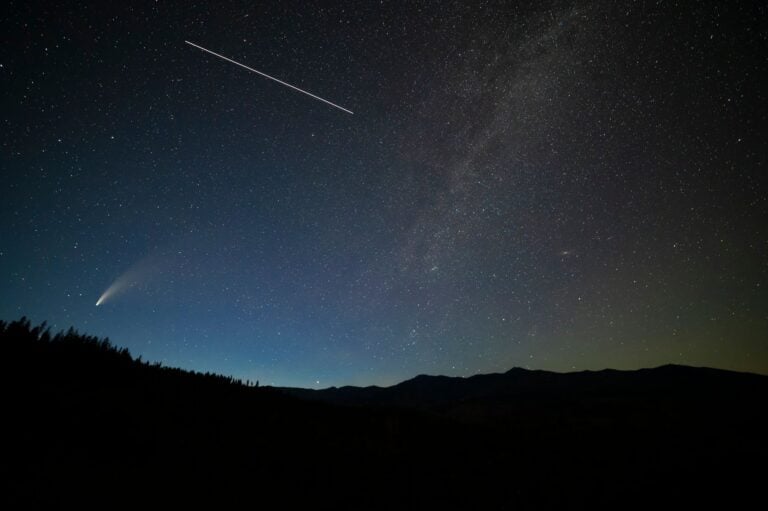
The icy Centaur 450P/LONEOS may preserve material left over from the Solar System’s formation, but a pass within 2.9 million miles of Saturn in 1992 abruptly shifted its orbit closer to the Sun; now Gemini and JWST have detected its returning coma, carbon-dioxide gas and rising dust production, giving astronomers a rare real-time view of a Centaur beginning its transition into a Jupiter-family comet.
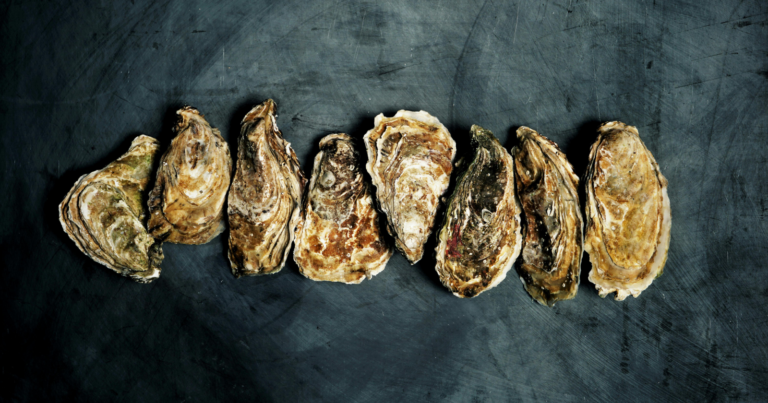
New York is rebuilding its dead oyster reefs with shells scraped off restaurant plates, and more than 100 million live oysters are already back in the harbor filtering the water, in a city where the reefs were once so thick that ships had to steer around them
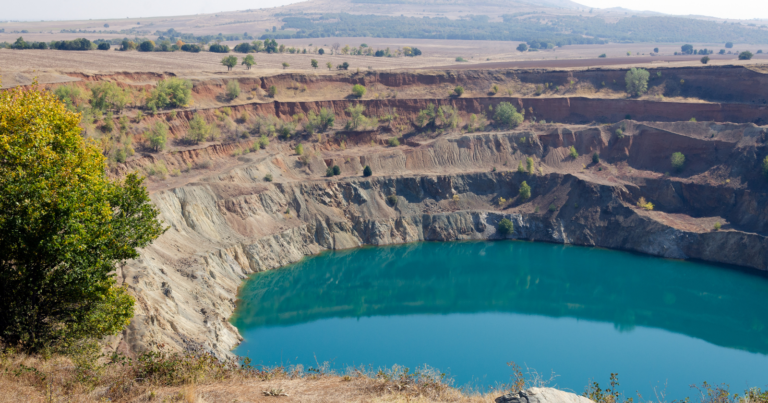
Australia's largest gold mine closed in 2001 and left two open pits in far north Queensland, and engineers have now filled them with water and joined them through an underground powerhouse, so the holes the miners dug work as a 250-megawatt battery that starts in under 30 seconds
Jupiter’s north pole is dominated not by one storm but by a central cyclone surrounded by eight others, each thousands of kilometres wide — and NASA’s Juno team revealed in April 2025 that they push against their neighbours and bounce around their positions like masses connected by springs, preserving a strange geometric formation unlike anything yet observed beyond Jupiter.