
Human Factors
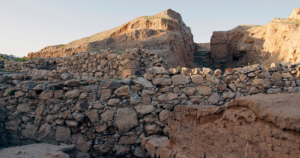
The oldest city in the world that humans have continuously lived in is not Athens…
The oldest city in the world that humans have continuously lived in is not Rome, not Athens, not Damascus, not Cairo.

The oldest city in the world that humans have continuously lived in is not Rome, not Athens, not Damascus, not Cairo.
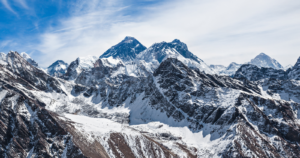
For one or two days each spring, the wind pattern at the top of Mount Everest shifts just enough to allow human beings, for a brief and dangerous window, to reach the summit.

For about twenty years now, biologists have known that a small number of specific proteins can take a fully-developed adult cell — a skin cell, a kidney cell…

Most people who are quietly miserable do not know it. That, in essence, is what a Danish philosopher named Søren Kierkegaard tried to tell the readers of…
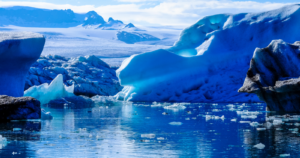
Imagine drilling through ice for 23 years to reach a lake nobody had ever seen, in the coldest place on Earth, in a research station that holds the world…
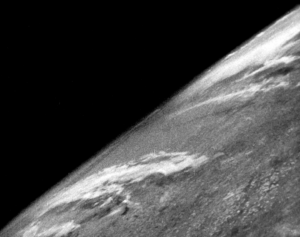
On October 24, 1946, a captured V-2 rocket carried a 35-millimetre motion picture camera above White Sands and produced the first photographs of Earth taken from space — recovered from a steel film cassette in the crater where the rocket smashed back into the New Mexico desert.

Hold a single-use plastic spoon in your hand — the kind that comes with takeout food and gets thrown away after one meal.

An observational study found a lower rate of dementia among people who began using hearing aids before age 70. It did not prove that hearing aids prevented dementia.
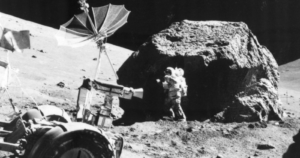
{"content":"The Apollo 17 voice loops, archived by NASA and still publicly available, are full of a kind of sound most people never associate with spaceflight: nothing. Long stretches where Gene Ce
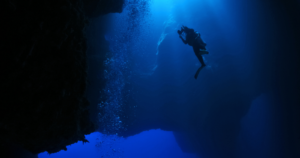
The deepest place on Earth, it turns out, is littered. The dive began at the surface of the western Pacific Ocean, approximately 200 miles southwest of Guam…

How EUR 1.9 billion in escrow at two Manila banks turned out to be paper that the banks themselves said was fake — the forensic mechanism behind Wirecard's collapse.

On 9 June 2026, inside a room at NASA's Johnson Space Center in Houston, the agency named the four people who will fly Artemis 3 — and one of them was not American.
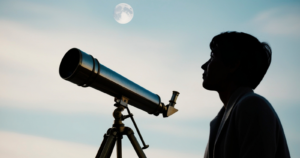
On the evening of September 9, 1999, a Harvard graduate student named David Charbonneau drove to a parking lot in Boulder, Colorado, and let himself into a small wooden shed.
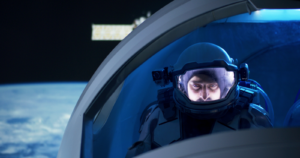
Apollo astronauts trying to rest on the way to the Moon kept noticing the same thing in the dark.

Australia's Bankruptcy Act 1966 contains a little-known provision that lets a bankruptcy be retroactively erased — not just ended — and high-profile debtors have used it to walk away from liabilities reported in the hundreds of millions.
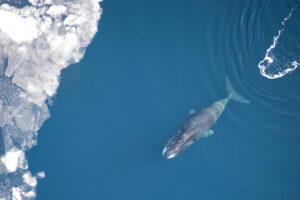
The discovery happened in the routine course of an Iñupiat subsistence hunt off the coast near Utqiaġvik, the northernmost settlement in Alaska.