

Science & Engineering
The most effective anti-aging drug ever tested on a mammal was discovered by…
The most effective anti-aging drug ever tested on a mammal was not invented in a laboratory.

The most effective anti-aging drug ever tested on a mammal was not invented in a laboratory.
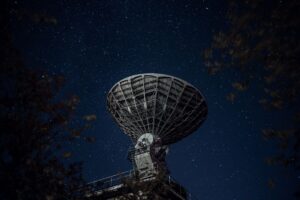
ASKAP J173608.2-321635 is not a name built for memory. It is a coordinate label, the kind astronomers use when an object has not yet earned a more familiar identity.
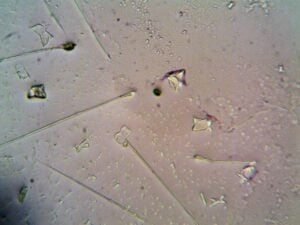
Complex life is usually told as an oxygen story. First Earth changed, then life became more complicated: oxygen rose, cells gained new energy options, and the long route toward plants, animals and fungi opened up.
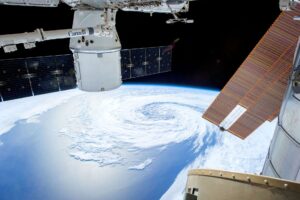
The International Space Station is still the larger and more international laboratory in orbit.
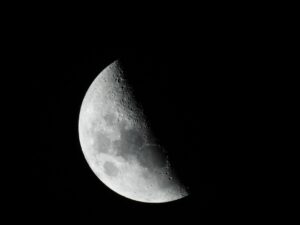
The Moon has no helium-3 mine, and no power grid on Earth is waiting for lunar fuel to arrive.

A 2026 Europa model proposes that salty, weakened surface ice could founder through the shell, offering a possible path for oxidant chemistry to reach the ocean.
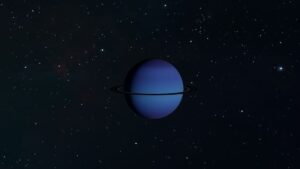
Voyager 2 remains the only spacecraft to have visited Uranus and Neptune, leaving many ice-giant questions to be answered by a future orbiter or probe.
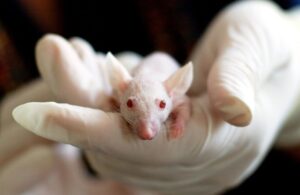
A Nature mouse study tested whether one naked mole-rat longevity trait, high-molecular-mass hyaluronan production through nmrHas2, could transfer healthspan benefits across species.
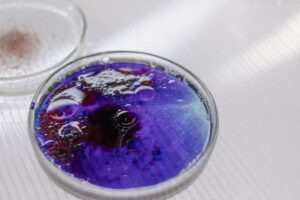
A McMaster AI model reportedly searched 46 billion possible compounds for a new antibiotic candidate, showing how computational chemical space can exceed physical screening.
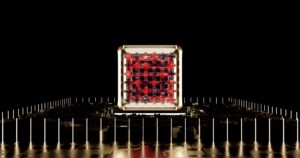
A look at the Berkeley superconducting circuit experiments that demonstrated macroscopic quantum tunnelling and energy quantisation, later recognised by the 2025 Nobel Prize in Physics.
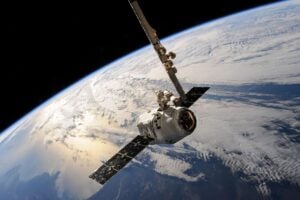
A proposed CRASH Clock metric estimates how low Earth orbit's recovery margin has tightened as megaconstellations have increased orbital density.
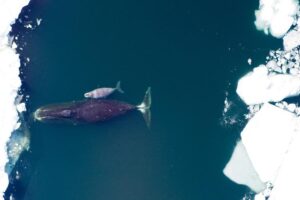
Bowhead whales can live beyond 200 years, and genome and cell studies point to DNA repair as one possible clue to their unusual cancer resistance.
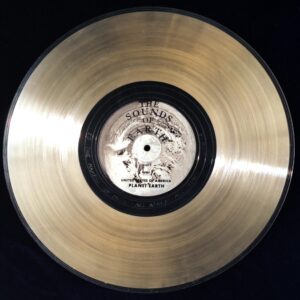
Ann Druyan's compressed life-signs recording on Voyager's Golden Record remains one of the mission's most intimate human details.
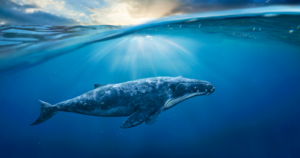
The whale known as 52 Blue is famous for a call around 52 hertz, but the science is more careful than the myth of the loneliest whale.

International data mostly crosses oceans through subsea fibre cables, even though the wider seafloor remains only partly mapped and barely seen directly.
For much of modern ocean science, the deepest trenches were treated as places where life survived on leftovers.