
Space, science, and the human mind. Since 1995.
Space Daily Editorial Team
Editorial Team

Space Daily Editorial Team

Editorial Team

The Space Daily Editorial Team produces content across our two editorial pillars: space industry news and Mind & Meaning. We cover launches, missions, satellites, defense, and the technology of getting humans to space, alongside the psychology of ambition, isolation, and meaning under extremes. Articles reflect our team's collective editorial process, source verification, drafting, technical review, and editing, rather than a single writer's work. Space Daily takes editorial responsibility for content under this byline. For more on how we work, see our editorial policy.

Constellations

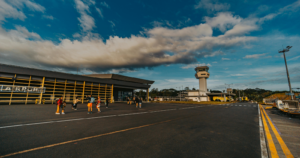
When Soviet cosmonaut Sergei Krikalev launched to Mir in May 1991, the country that sent him was still the USSR; by the time he returned in March 1992 it no longer existed, his home city of Leningrad had become Saint Petersburg, and even the spaceport that launched him — Baikonur — was now inside newly independent Kazakhstan, forcing Russia to renegotiate access to the machinery of its own space program

Sergei Krikalev launched from the Baikonur Cosmodrome in May 1991 as a Soviet citizen.

Science

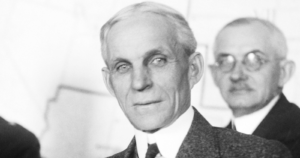
When the first draft of the Neanderthal genome was published in 2010, researchers found that most people with recent ancestry outside Africa carry between 1 and 4 percent Neanderthal DNA — meaning a human group whose physical traces vanished around 40,000 years ago still survives, in fragments, inside the cells of billions of people alive today

When the first draft of the Neanderthal genome was published in 2010, researchers found that most people with recent ancestry outside Africa carry roughly 1 to 4 percent Neanderthal DNA.

Human Behaviour

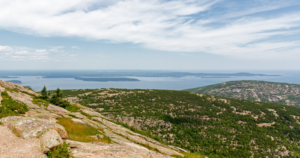
Every year, 27.7 million tons of Saharan dust crosses the Atlantic Ocean and settles on the Amazon rainforest, delivering roughly the exact amount of phosphorus the rainforest loses to runoff, which means the world’s most productive forest is fertilised, year after year, by the slow erosion of the planet’s largest desert thousands of miles away.

The connection is one of those facts about the planet that nobody designed and almost no one outside the relevant atmospheric science literature knows about.