
Universe
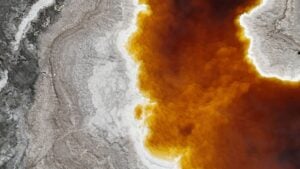
Titan's methane rain and rivers flow over water ice frozen hard as rock
Titan’s methane weather produces an Earth-like cycle of clouds, rain, rivers and seas over a crust where water ice behaves as stone.
Titan’s methane weather produces an Earth-like cycle of clouds, rain, rivers and seas over a crust where water ice behaves as stone.
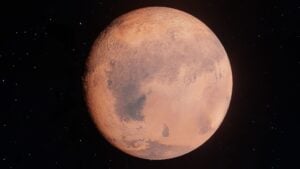
A Martian meteorite found by camel herders in Algeria in 2019 has been dated to 1.273 billion years old, the first shergottite to fill a long-standing gap in that family's record.
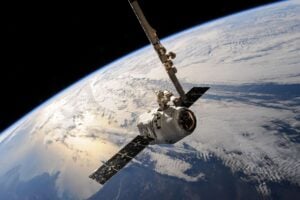
AI will likely handle narrow, time-critical jobs on future spacecraft, choosing routes and spotting hazards when Earth is minutes or hours away, not act as a general machine captain.
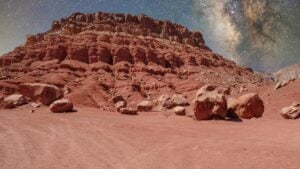
Perseverance covered a marathon on Mars in five years and four months, less than half the 11 years Opportunity took, using its AutoNav system to steer around hazards while human planners still chose destinations.
Proxima Centauri b, about 1.07 times Earth's minimum mass, sits in its star's habitable zone 4.24 light-years away, but no evidence of life has been found and its habitability stays unconfirmed.
The final resting place of dead spacecraft is far messier—and more carefully orchestrated—than the name "graveyard" suggests.
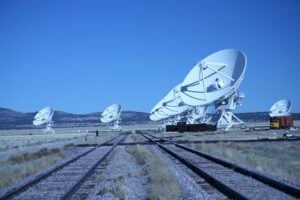
Under a US initiative launched in November 2025, NASA plans to use AI to search more than 150 petabytes of archived mission data for discoveries too vast to examine by hand.
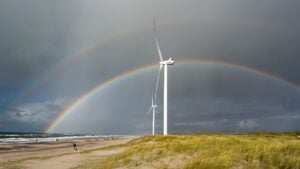
Wind made up 60% of Denmark's electricity production in 2025, Energinet reports, though generation fell about 1.5TWh in a low-wind year as imports rose and the country produced less than it consumed every month.
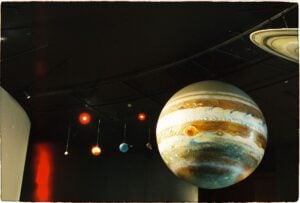
The Sun-Jupiter barycentre lies about 46,000 kilometres above the Sun's visible surface, so both bodies circle a shared off-centre point rather than Jupiter orbiting a fixed star.
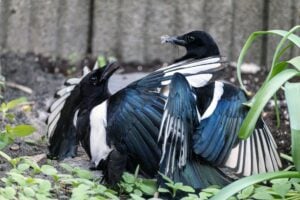
Researchers in Queensland fitted five Australian magpies with tiny GPS trackers, hoping to map their movements and social relationships.
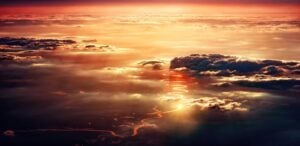
About 50 kilometres above Venus, temperatures of 30 to 70C and near-Earth pressure could let a sealed, air-filled habitat float, but it would drift through fast-moving sulphuric-acid clouds.
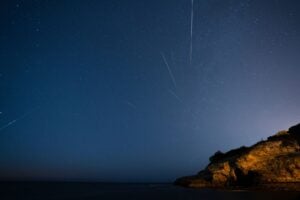
The sulphur-rich marine rocks the Chicxulub asteroid struck helped turn a 10-kilometre impact into a global cooling crisis, though a 2024 study suggests dust and soot may matter more than once thought.
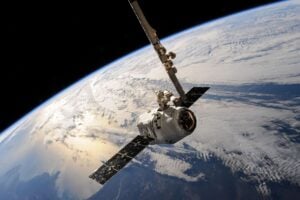
At 224 kilometres above Earth, ESA's GOCE satellite was close enough to feel the upper atmosphere as a constant force.
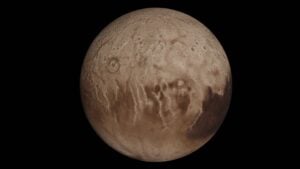
The greatest obstacle to reaching Saturn's moon isn't overcoming the laws of physics—it's summoning the decades of sustained will and innovation that any human mission would demand.
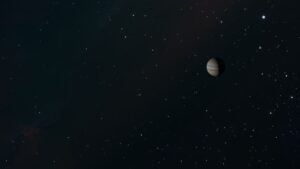
In 1961 UCLA graduate student Michael Minovitch, on his own time at JPL, worked out gravity assist, the fuel-free technique that lets a spacecraft borrow speed from a moving planet.
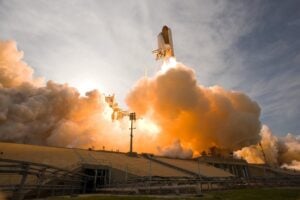
On its 1981 debut, NASA's Columbia landed with 16 heat shield tiles missing and 148 damaged, torn loose by the shockwave of its own engines reflecting off the launch pad before liftoff.