Space, science, and the human mind. Since 1995.
Daniel Moran
Writer at Space Daily

Daniel Moran

Writer

Daniel Moran is a writer at Space Daily covering the intersection of psychology, technology, and human behavior. He is one of the publication's most prolific contributors, writing across the Mind & Meaning and Science pillars. Daniel brings a background in technology research and a focus on how scientific findings translate into the way people actually live, work, and think.

Profile on Brown Brothers Media →

Mind & Meaning

In 2000, miners in Mexico broke through a wall and found a hidden cave of crystals taller than telephone poles — beautiful enough to seem invented, and so hostile that scientists worked inside in ice-packed cooling suits, typically for no more than half an hour, before the heat and humidity began shutting down the body’s only way of shedding heat

A Mexican cave filled with giant crystals became so inhospitable that even brief visits could trigger fatal heat stroke—turning one of Earth's most spectacular natural wonders into a place humans can barely survive.

Science

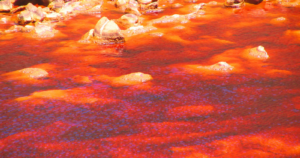
On a glacier in Antarctica there is a waterfall that appears to bleed — a slow ooze of deep red spreading across the white — and the truth beneath it is stranger than the sight: a reservoir of ancient brine, sealed under the ice for an age still argued over, staining red the instant its iron meets the air

Beneath Antarctica's ice lies a sealed world of ancient brine that reveals itself only when exposed to air—and scientists have finally caught the moment it breaks free.

Psychology

On a hospital ward where half the rooms were bright and half were dim, patients recovering from depression who landed on the sunny side went home about two and a half days sooner — nobody had prescribed anything, and the researchers thought some had been getting light therapy without realising it

A chance discovery in a hospital's layout revealed that natural light alone could shorten depression recovery by nearly three days—suggesting the brain's response to sunlight rivals some pharmaceutical interventions.