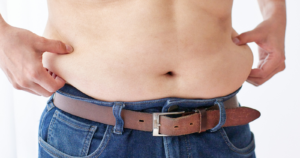
Human Factors Frequent incidental movement is linked to better metabolic and cardiovascular health By Space Daily Editorial Team · Jun 11, 2026
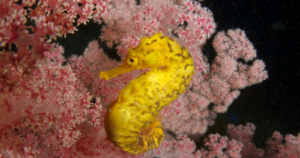
Earth & Life Seahorses, giant clams and even the occasional dugong have been recorded in the… By Space Daily Editorial Team · Jun 11, 2026
Psychology PFAS were added to pizza boxes for decades because of a carbon-fluorine bond… By Space Daily Editorial Team · Jun 11, 2026
Science & Engineering The narwhal's spiraled tusk is actually an inside-out canine tooth packed with… By Space Daily Editorial Team · Jun 11, 2026
Human Factors Thought of the day from Renaissance philosopher Michel de Montaigne By Mal James · Jun 11, 2026
Human Factors The United States is projected to collapse near the absolute bottom of the… By Space Daily Editorial Team · Jun 11, 2026
Earth Observation The Singapore Strait funnels roughly a third of the world's traded goods through a… By Space Daily Editorial Team · Jun 11, 2026
Constellations In June 2026, the Finnish radar-satellite company Iceye raised more than a billion… By Space Daily Editorial Team · Jun 11, 2026
Space & Missions In 1977, NASA mounted a gold-plated record on each Voyager probe carrying greetings… By Space Daily Editorial Team · Jun 11, 2026
Science & Engineering Sperm whales produce the loudest sound made by any animal, clicks measured at 230… By Space Daily Editorial Team · Jun 11, 2026
Earth News High in California's White Mountains grows a plant, roughly 4,850 years old By Space Daily Editorial Team · Jun 11, 2026
Earth & Life In 1820, the whaleship Essex was rammed and sunk by an 85-foot sperm whale in the… By Space Daily Editorial Team · Jun 11, 2026
Human Factors We tend to assume that whatever makes us happy also makes life feel meaningful By Mal James · Jun 11, 2026
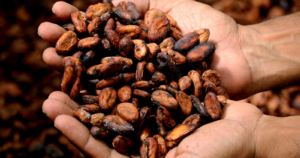
Earth & Life West Africa produces roughly 2/3 of the world's cocoa and lost up to 40% of its… By Space Daily Editorial Team · Jun 11, 2026
United Nations We often assume humanity will keep multiplying, but a UN forecast suggests our… By Space Daily Editorial Team · Jun 11, 2026
Human Behaviour The lining of the human stomach completely replaces itself every three to five days By Space Daily Editorial Team · Jun 11, 2026