Space, science, and the human mind. Since 1995.
The Daily Orbit
A Space Daily column

The Daily Orbit

News desk

The Daily Orbit is Space Daily's news desk. Launches, mission milestones, agency decisions, and the commercial race to orbit, reported as they happen. Most stories start from primary sources: NASA and ESA releases, operator updates, and launch broadcasts.

Space Travel

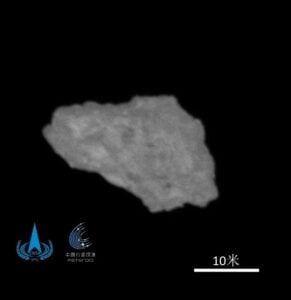
In May 1969, Apollo 10 carried a lunar module called Snoopy to within 14.4 kilometres of the Moon, then fired its ascent engine until the fuel ran out and sent it into orbit around the Sun, leaving a spacecraft that had carried two human beings somewhere in interplanetary space while its crew returned safely to Earth

The Apollo 10 lunar module was never meant to land. That was the point. In May 1969, NASA sent a crew almost all the way through a lunar landing profile, held…

Space Travel

In May 1992, after two failed attempts to capture a 4.5-tonne communications satellite with a specially built tool, three astronauts left Endeavour together and grabbed the free-flying spacecraft with their gloved hands — the first, and still only, three-person spacewalk in history

The moment people remember from STS-49 looks almost improvised: three astronauts in white suits, fixed to foot restraints and handholds around a huge black communications satellite, reaching for hardware that was not supposed to be grabbed that way.

Space Travel

In November 1970, a Soviet rover the size of a bathtub rolled off the Luna 17 lander and crawled across the Sea of Rains at 100 metres per hour, driven by five men in a bunker near Simferopol who had never seen the Moon and faced a 2.5-second delay between command and the wheels responding

In November 1970, the Soviet Union rolled Lunokhod 1 off the Luna 17 lander onto Mare Imbrium, becoming the first vehicle to drive on another world — steered from a control room in Simferopol through a 2.5-second radio delay, at a top speed slower than a walking human.

Space Medicine

Astronaut Don Pettit described the light flashes crossing his eyes on the International Space Station as ‘luminous dancing fairies’ — the same cosmic rays Apollo crews reported, still arriving decades later above your head tonight

Astronaut Don Pettit called them 'luminous dancing fairies' — the streaks of light that cross astronauts' vision on the ISS. They are cosmic rays punching through the hull and through the eye, the same phenomenon every Apollo crew reported from 1969 onward.