
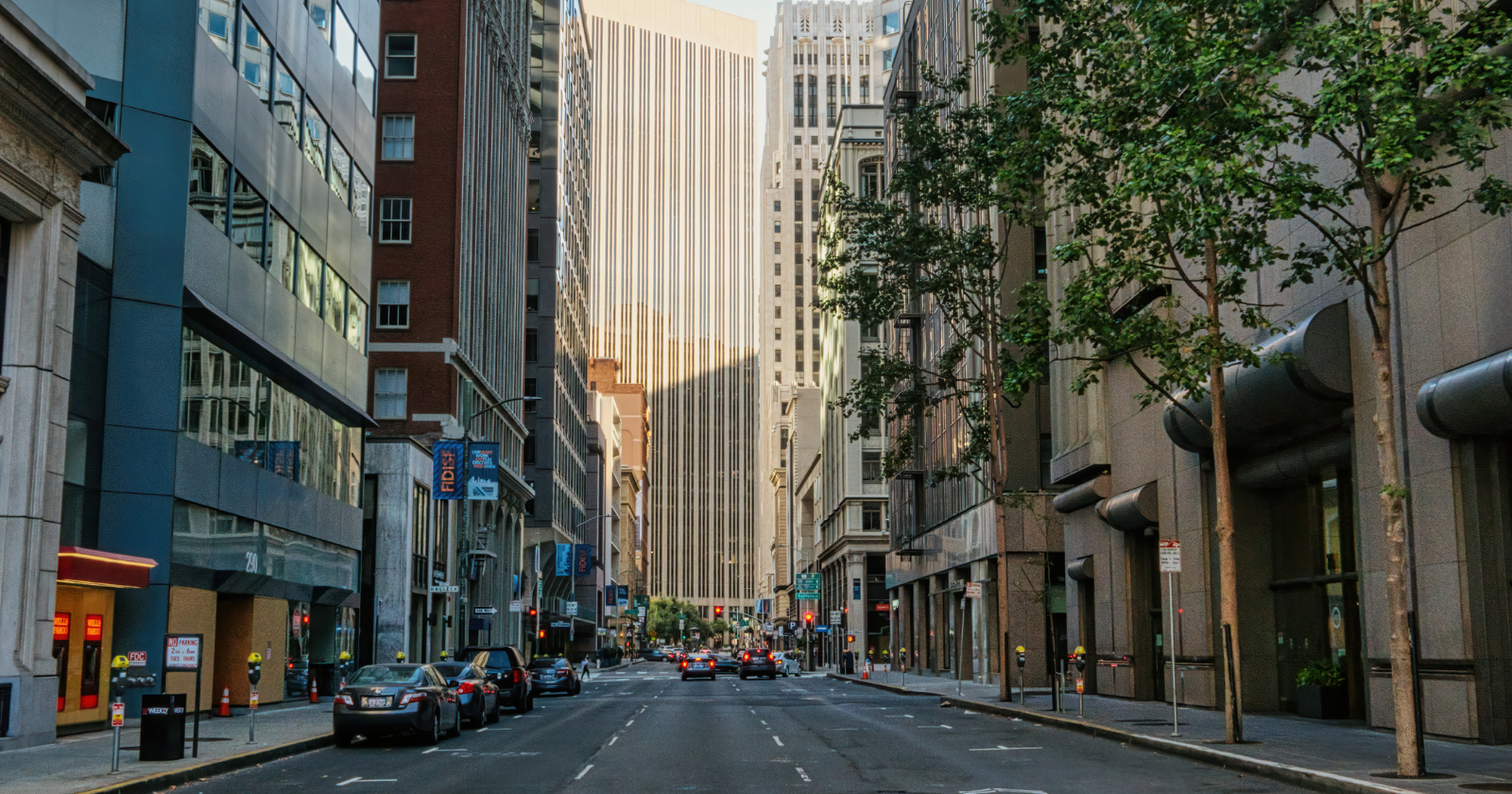
For a few years in the early 1990s, a lot of New York streets sparkled. Picture a Manhattan avenue at dusk, wet from a passing shower, the streetlights and headlights catching something in the road surface itself. Not the usual dull black, but a faint, restless glitter, as if the asphalt had been dusted with something. That shimmer was crushed bottles. The city had figured out how to grind its glass waste into the road.
The material had a name that told you exactly what it was: glassphalt. It went from a curiosity nobody trusted, to something people demanded outside their own buildings, and then it quietly disappeared. And it’s a small case study in why good recycling ideas so often don’t stick.
The glittering street, and why the city made it
Asphalt is mostly sand and gravel held together by a black binder. Glassphalt is what you get when crushed glass replaces part of that sand and gravel.
The Federal Highway Administration, in its guidelines on waste glass in pavement, says road-surface mixes with roughly 10 to 15 percent crushed glass perform fine. From 1989, the city’s transportation department started putting the glass content of its mix at about 10 percent.
The FHWA called the New York program the “most aggressive” glass-recycling paving effort in the country. From 1990 through 1995 the city used roughly 225,000 metric tons, about 250,000 tons, of glass in resurfacing. By 1991, crews had already laid glassphalt on nearly 900 lane-miles of Manhattan and Brooklyn streets.
What made the idea clever, as far as we can tell, is the kind of glass it used. Bottle recyclers want clean glass sorted by color. They won’t buy the mixed-color material that piles up at the bottom of a recycling stream. Glassphalt didn’t care about color. It could swallow exactly the low-value waste glass that nobody else wanted and turn it into road. The city reported saving about $500,000 a year by using crushed glass in place of some sand and gravel, and keeping 38,000 tons of glass out of landfills in the process.
From public suspicion to actual demand
People did not warm to it right away. A road that shimmers looks, at first glance, like something is wrong with it. But the turnaround, if the accounts from the time are right, was fairly complete.
Harold Watson, the transportation department’s assistant commissioner for asphalt operations, had become something of an in-house champion for the material. Watson said in 1991: “Now, when we do a road, if we don’t have glass on it, people come in and start complaining.”
That’s a nice story about public mood, not a measured fact, and it comes from a fan of the material, so we’d hold it loosely. Watson was clearly frustrated by a quieter resistance too. In his telling, “There’s a lot of people who can’t find anything wrong with glassphalt but won’t say anything good about it.” Read that as one supporter’s view rather than a neutral account, but it captures the odd spot the material was in: hard to fault, hard to fully endorse.
The Plaza, and a request for more sparkle
The clearest sign that the public had come around involved one very visible stretch of Fifth Avenue. After the city resurfaced the section in front of the Plaza Hotel with glassphalt, the hotel’s owner, Donald Trump, wanted the surrounding streets given the same treatment. A recycled-glass road surface had become something worth lobbying for outside a luxury hotel.
There’s something funny in that. The exact same crushed bottles a bottle plant would reject as worthless were, when spread across Fifth Avenue and lit up after rain, a selling point. The sparkle did real marketing work that the engineering never asked for.
Why the biggest glass-paving program in the country faded
None of the appeal saved it. The program’s central weakness was that its raw material came from curbside recycling collection, and collection is expensive.
During a budget crisis, Mayor David Dinkins floated suspending the recycling operation to save about $65 million a year, which would have cut off the glass supply. Commissioner Lucius Riccio said at the time: “That would be a shame. We’re doing a record amount of paving and we could use all the glass they could give us.” That tension is the whole story in miniature. The paving side wanted all the glass it could get, and the collection side that fed it was the first thing on the chopping block when money got tight.
What we take from a road paved with bottles
New York didn’t invent glassphalt. Baltimore had paved at least 17 streets with it from the mid-1970s through the mid-1980s, chasing the same sparkle.
What New York proved was that the idea could run at real scale, absorb hundreds of thousands of tons of the exact glass nobody else wanted, and win over a skeptical public along the way.
The sparkle was arguably the least interesting thing about it. It got the headlines, it got Trump lobbying, it made a wet avenue look faintly enchanted. But the real achievement was much plainer: a workable use for low-value mixed glass that would otherwise cost money to bury.
The reason it faded had nothing to do with whether the roads glittered, and everything to do with the fragile system behind it, the collection network and the raw cost of glass against dirt-cheap gravel. A recycling idea can be sound as engineering and still lose to logistics. That, more than the shine, is what a road made of bottles has to teach.
