SpaceX priced its initial public offering at $135 a share on 11 June 2026 and began trading on the Nasdaq the next day under the ticker SPCX, in what was widely described as the largest public listing in US history. The pricing put the company’s value at roughly $1.75 trillion, and the offering itself raised as much as $75 billion across 555 million shares, with about 30 per cent of that reserved for retail investors rather than institutions.
The stock did not sit still for long. It surged past $225 in its first days of trading, a jump of more than 60 per cent on the IPO price, before sliding back down. By early August it was changing hands at around $117, roughly 13 per cent below where it started. Two months in, the single clearest thing the market has said about SpaceX’s value is that it does not yet agree with itself.
The scale is worth putting in context. Before SpaceX, the record for the largest initial public offering belonged to Saudi Aramco, the Saudi state oil company, which raised $25.6 billion when it listed in December 2019. SpaceX’s offering raised close to three times that amount in a single listing, and did so for a company whose main product, so far, is getting things off the planet rather than out of the ground.
About 30 per cent of the offering was set aside for retail investors rather than large institutions, which meant a meaningful share of the buying in those first, volatile days of trading above $225 was ordinary people rather than funds. Whatever happens on 6 August, that group is the one most exposed to whichever way the stock moves once the lockup shares reach the market.
Why 6 August matters more than the IPO did
The IPO itself only ever put a small slice of the company within reach of ordinary trading. Fewer than 5 per cent of SpaceX’s outstanding shares were actually available to buy or sell in the weeks after the listing. Everyone else, early investors, employees, insiders, agreed to a standard lockup that keeps their shares off the market for a set period after a company goes public.
That period ends on 6 August. Analysts covering the stock expect roughly 20 per cent of SpaceX’s outstanding shares to become tradeable once it does, which would more than quadruple the pool of stock actually available on the open market. Nicolas Owens, an analyst at Morningstar, put the likely outcome plainly: “We believe that most of the available shares will come to market, because the existing sellers have low cost basis and long holding periods.” He also raised the more interesting possibility that the market had already partly priced this in, noting it is “conceivable that a good deal of the recent slump in SpaceX stock is precisely in anticipation of the dilution from the lockup.”
None of this is a prediction of where the share price goes from here, and nothing in this article should be read as advice about buying or selling anything. A lockup expiry is simply a mechanical event: a date on which people who could not previously sell are permitted to. What they actually choose to do with that permission is a separate question, and one the market itself seems undecided about.
What is actually being sold
It is worth being precise about what a SPCX share represents, because the listing bundled together three quite different businesses. The prospectus covers SpaceX’s launch and rocket infrastructure, its Starlink satellite internet operation, and, notably, elements of xAI, the artificial intelligence company also founded by Elon Musk. SpaceX reported revenue of $18.67 billion for 2025, though that figure, like the $1.75 trillion valuation, is a company disclosure rather than an independently audited market judgement of what the business is worth. A listing price reflects what buyers agreed to pay in that moment, not a certified appraisal, and the round trip from $135 to above $225 and back down under $120 is a fairly direct illustration of how quickly that agreement can change.
The hardware behind the ticker
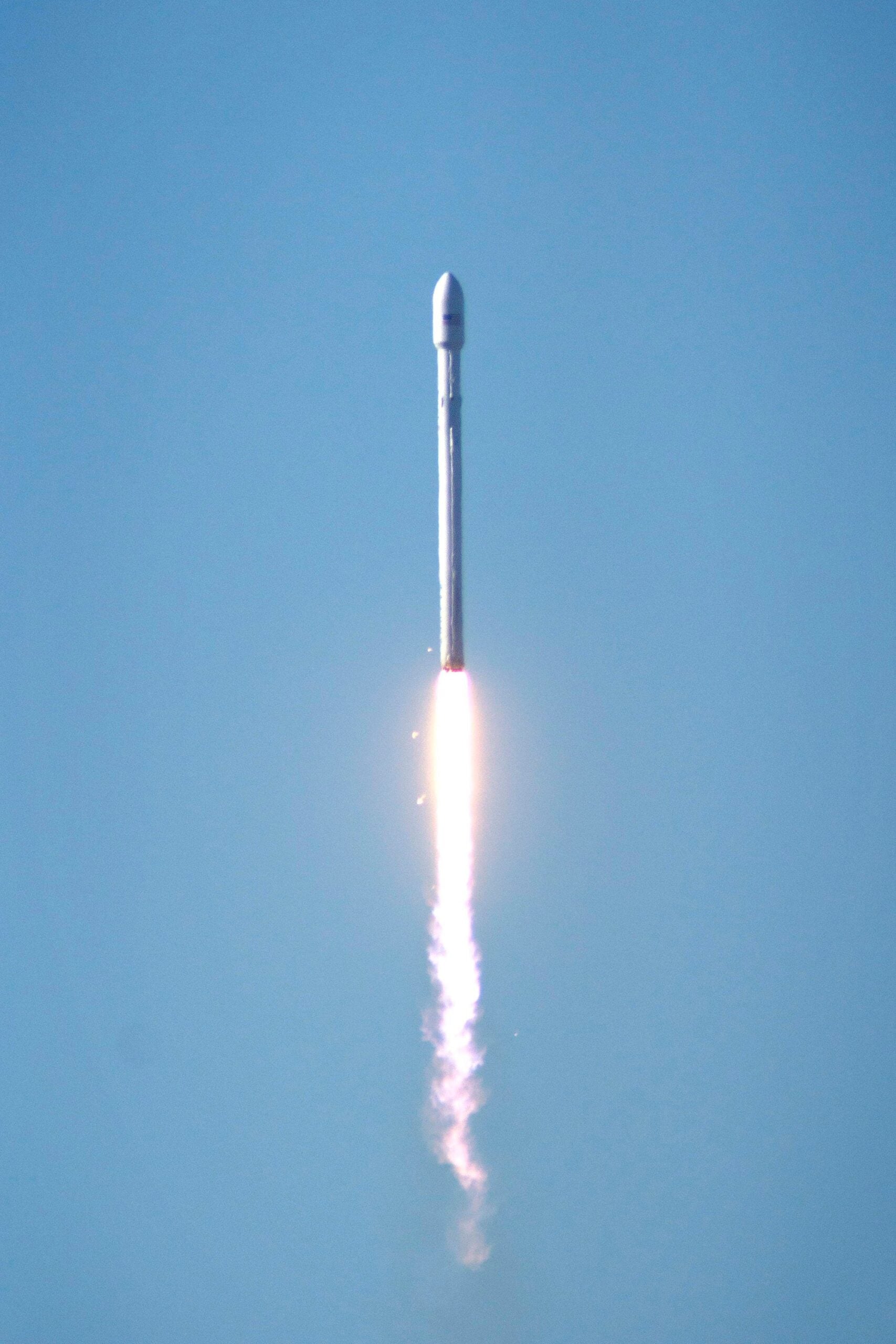
Whatever happens to the share price, the rockets kept flying. On 24 July, seven weeks after the IPO, SpaceX launched the second test flight of its third-generation Super Heavy-Starship vehicle from Starbase in Texas, a 124-metre stack producing around 16 million pounds of thrust from 33 Raptor engines. The flight was a mixed result. The Super Heavy booster suffered engine restart problems during its descent, with only ten of thirteen engines relighting and just five still firing at splashdown, resulting in a harder-than-planned landing in the Gulf of Mexico. The Starship upper stage fared better: all six of its engines ran cleanly through ascent, it deployed twenty third-generation Starlink satellites, relit an engine in space to test restart capability, and came down for a controlled splashdown in the Indian Ocean an hour and five minutes after launch, reportedly still intact and transmitting from onboard cameras afterwards.
It was the first major test flight since the company went public, and a reminder that the ticker symbol and the rocket are, for now, running on different clocks. One measures a business the market is still arguing about. The other measures whether thirty-three engines can be trusted to relight on command. Thursday will answer a question about the first. The second will take longer.