
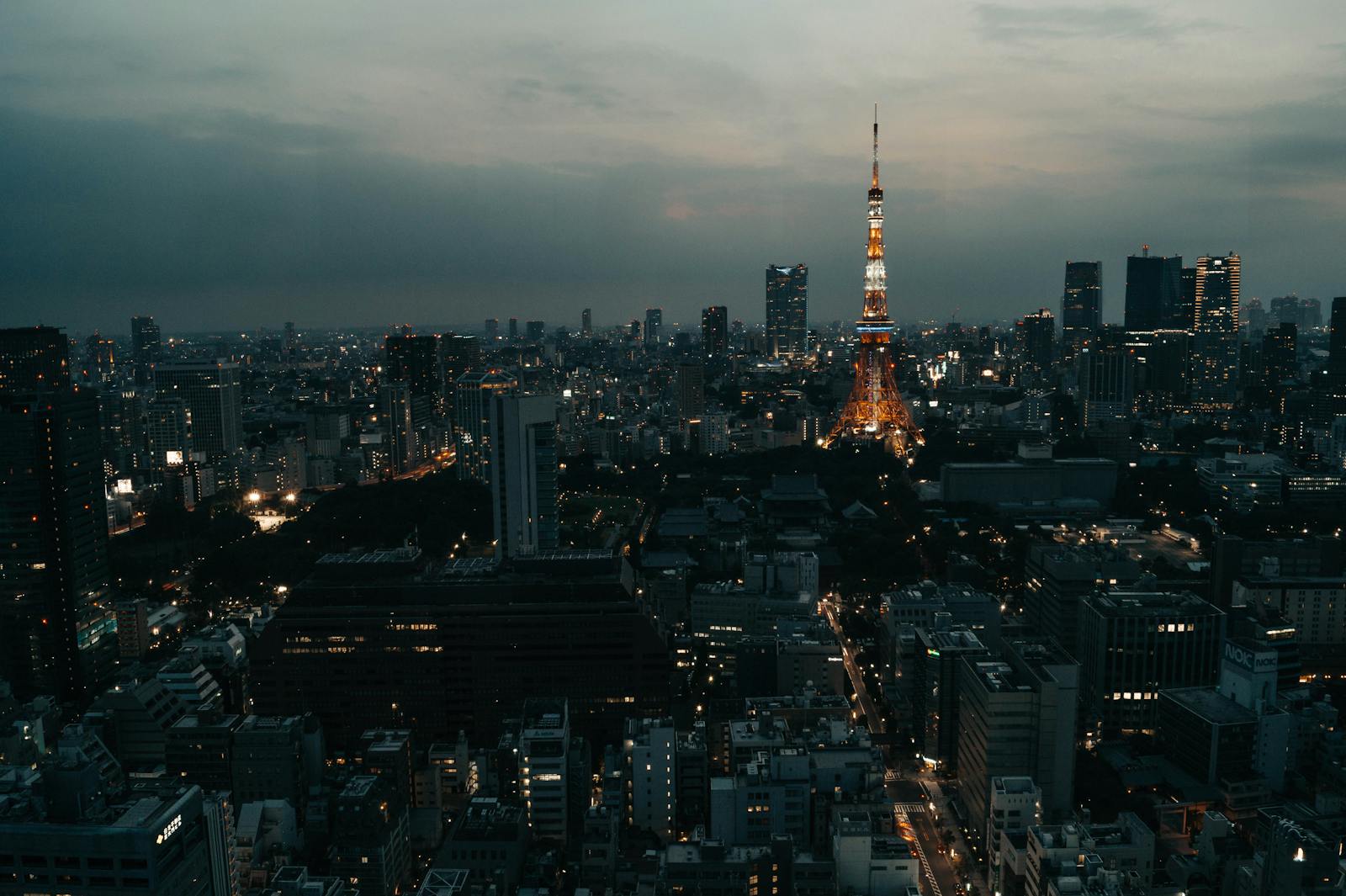
Japan and China have entered the most dangerous stretch of their post-war rivalry, with Tokyo’s strategic shift pushing the relationship past historical disputes and into hard security territory. The temperature is measurable: in November 2025, Prime Minister Sanae Takaichi told the Diet that a Chinese attack on Taiwan could constitute a “survival-threatening situation” for Japan, prompting Beijing to summon Japan’s ambassador and a Chinese consul-general in Osaka to post a since-deleted message about cutting off the prime minister’s “dirty neck.” Beijing now treats Japan’s military posture as evidence of revived militarism. Tokyo, in turn, sees Chinese pressure as confirmation that pacifist restraint has run its course.
Takaichi’s November statement to the Diet was not rhetorical flourish. Under Japanese security law, designating a contingency as “survival-threatening” can authorize the deployment of the Self-Defense Forces. It was a statutory invocation, and Beijing read it that way.
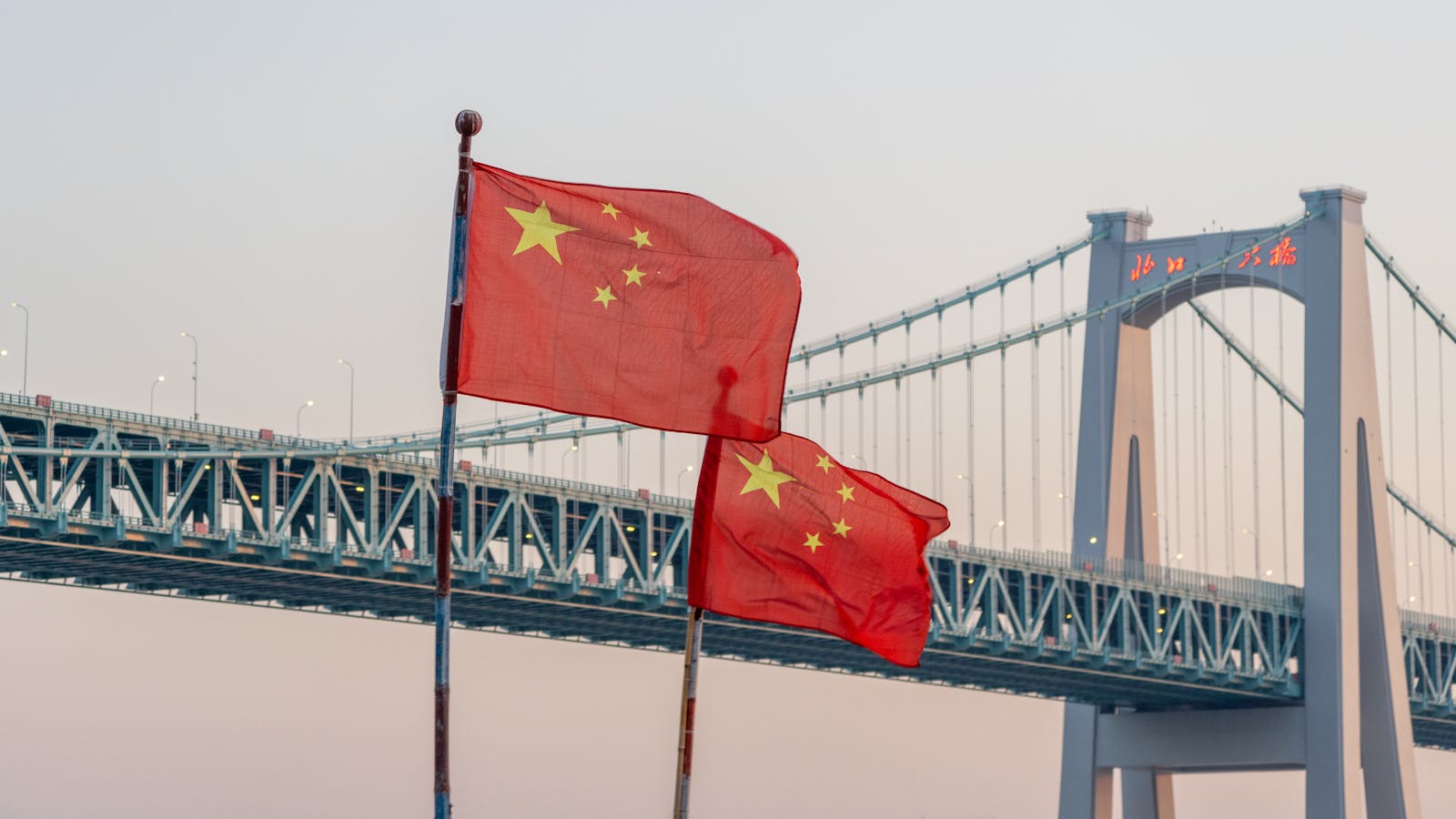
From Historical Grievance to Security Threat
For decades, friction between Tokyo and Beijing centered on memory: war shrines, textbooks, contested islets. Those quarrels still flare. Ritual offerings at the Yasukuni Shrine in April drew the predictable rebuke from Beijing, as reported by The Japan Times. But the current quarrel is structural. It is about missiles, alliances, export rules, and what role Japan plays in a Taiwan contingency.
Analysis of the bilateral standoff argues that each side increasingly views the other through a worst-case lens. That is the textbook precondition for inadvertent escalation.
The Hardware Behind the Words
Words alone would not have alarmed Beijing. Hardware does. In March 2026, Japan deployed upgraded Type-12 land-to-ship missiles. Tokyo plans to base them on Yonaguni, Japan’s westernmost island, roughly 110 kilometers from Taiwan. From Yonaguni, the weapon can reach mainland Chinese coastal targets and the eastern approaches to the Taiwan Strait.
Then came the export reform. In April, Japan announced its biggest overhaul of arms-export rules in decades, opening the door to lethal exports including warships and missiles. For a country whose post-war identity rested on near-total restriction of weapons sales, this was a structural break.
Defense spending has caught up with NATO’s benchmark. Japan has moved toward its target of 2 percent of GDP under the 2022 plan, and an expert panel has been launched to consider further increases. The government has also begun reassessing the country’s security strategy, signaling that the 2 percent figure is a floor, not a ceiling.
Beijing’s Reading
From Beijing’s vantage, the cumulative picture looks like a country preparing for a regional war it would prefer to fight alongside Washington but is now equipped to participate in independently. The Chinese Foreign Ministry has characterized Japan’s policies as a return to militarism. On April 30, Beijing issued a working paper warning the United Nations about Japan’s nuclear capabilities, as reported by the South China Morning Post. The accusation rests on Japan’s stockpile of separated plutonium and ambiguous statements from senior officials about long-term deterrence options.
Naval activity has added friction. The Japanese destroyer JS Ikazuchi transited the Taiwan Strait on April 17, the first such passage by a Japanese warship in recent memory. Beijing called the transit a provocation. Tokyo framed it as routine freedom of navigation. Both readings are sincere. Both are also incompatible.
Diplomatic Downgrade
The 2026 Diplomatic Bluebook, issued by Japan’s Ministry of Foreign Affairs, downgraded China’s status in describing the bilateral relationship. In the careful grammar of Japanese diplomacy, the change is not subtle. It signals that Tokyo no longer treats stable ties with Beijing as a top-tier strategic priority.
Beijing has responded with a mix of economic and rhetorical pressure. China has imposed restrictions on Japanese seafood imports. A Chinese diplomat in Osaka made inflammatory remarks about Japanese leadership, a return to the wolf-warrior register Beijing had spent two years trying to soften. Tokyo has lodged formal protests. The exchanges have not de-escalated.
The Embassy Incident
In March, a Japanese Self-Defense Forces officer breached the Chinese Embassy in Tokyo while carrying a knife. The incident was treated as an isolated security failure by Tokyo and as evidence of broader hostility by Beijing. Each interpretation hardened. Neither government has been able to put the episode behind it.
Events that would once have been managed as diplomatic irritants are now folded into a larger narrative of confrontation on both sides. Sanctions on Japanese lawmakers and retired officers have followed similar logic, as Space Daily has covered in reporting on China’s sanctions targeting a Japanese lawmaker over Taiwan and a retired Japanese general accused of collusion.
Why This Phase Is Different
Three structural changes separate the current rivalry from earlier flare-ups.
First, Japan now possesses long-range strike capability. Until recently, the Self-Defense Forces were calibrated for territorial defense in the narrowest sense. The Type-12 deployment changes the calculation for any Chinese planner contemplating action against Taiwan.
Second, Tokyo has linked Taiwan’s fate to its own survival in legal terms. That linkage was implicit during the Abe era. It has recently become more explicit. The interpretive ambiguity that allowed both sides to manage friction is gone.
Third, the regional security architecture is shifting around the rivalry. American troop posture in Europe is being trimmed, with the Pentagon planning to withdraw 5,000 troops from Germany, as the Trump administration redirects emphasis toward the Indo-Pacific. Japan hosts a major U.S. troop presence abroad. That fact, once a stabilizer, now compounds Beijing’s threat perception of a more capable allied military reach.
Escalation Without Intent
Neither government wants war. Officials in both capitals say so, often. The danger sits in the gap between intention and interpretation. A long-range missile deployed for deterrence reads as offensive in Beijing. A Chinese coast guard patrol intended to assert sovereignty reads as coercion in Tokyo. Each side adjusts to the other’s adjustment, and supply chains compound the stakes: semiconductors, rare earths, automotive components, and shipping lanes through the East China Sea all sit inside the contested space. A miscalculation around Taiwan would not stay regional.
The next inflection point will likely come from the expert panel reviewing Japan’s defense budget, or from the next naval transit, or from a statement that previous leaders would have left unsaid. Beijing sees a Japan abandoning post-war restraint; Tokyo sees a China testing the limits of coercion against a treaty ally of the United States. Both are partially right, neither has an incentive to back down first, and the cycle is now self-reinforcing. Stopping it would require deliberate diplomatic engineering that neither government appears prepared to attempt.
Photo by MB Productions on Pexels
