
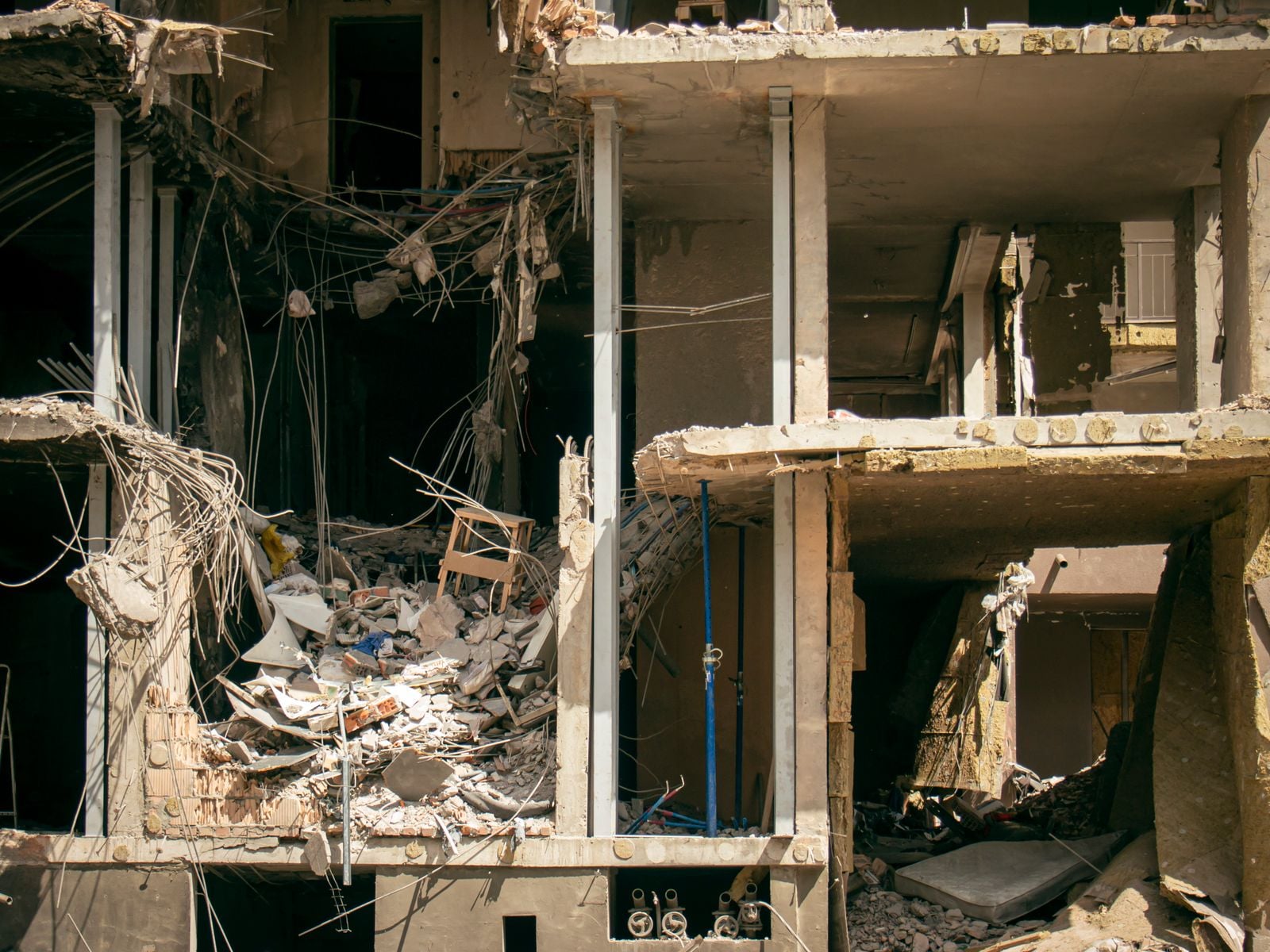
Two major earthquakes of magnitude 7.2 and 7.5 struck northern Venezuela about 32 seconds apart on 24 June 2026, based on the current reviewed origin times published by the US Geological Survey. The unusually short interval may have compounded the damage, but it was not the only factor: both earthquakes were shallow, and structural response also depended on prior damage, building design, local soils and resonance.
The US Geological Survey describes the magnitude 7.2 earthquake as a foreshock and the magnitude 7.5 earthquake as the mainshock in a double event. It also conducted a preliminary satellite assessment of earthquake-triggered landslides and road impacts. That assessment was incomplete and subject to revision.
A gap of about half a minute
Reporting by WIRED identified the very short interval as an important compounding factor. Alan Damián Sánchez Pulido, a civil engineer from Mexico’s Ibero-American University and a specialist in structural damage assessment, explained that even limited damage from the first earthquake could alter how a building responded to the second before any inspection or reinforcement was possible.
That does not mean the interval alone determined which buildings failed. The effect of the second shock depended on the damage already sustained, the structure’s design and condition, and the characteristics of the ground beneath it.
Damage from an initial shock can reduce a building’s stiffness or strength and change how it responds when a second shock follows. The scale of that effect varies from building to building and requires forensic assessment rather than a single explanation applied to every collapse.
Resonance and the geometry of collapse
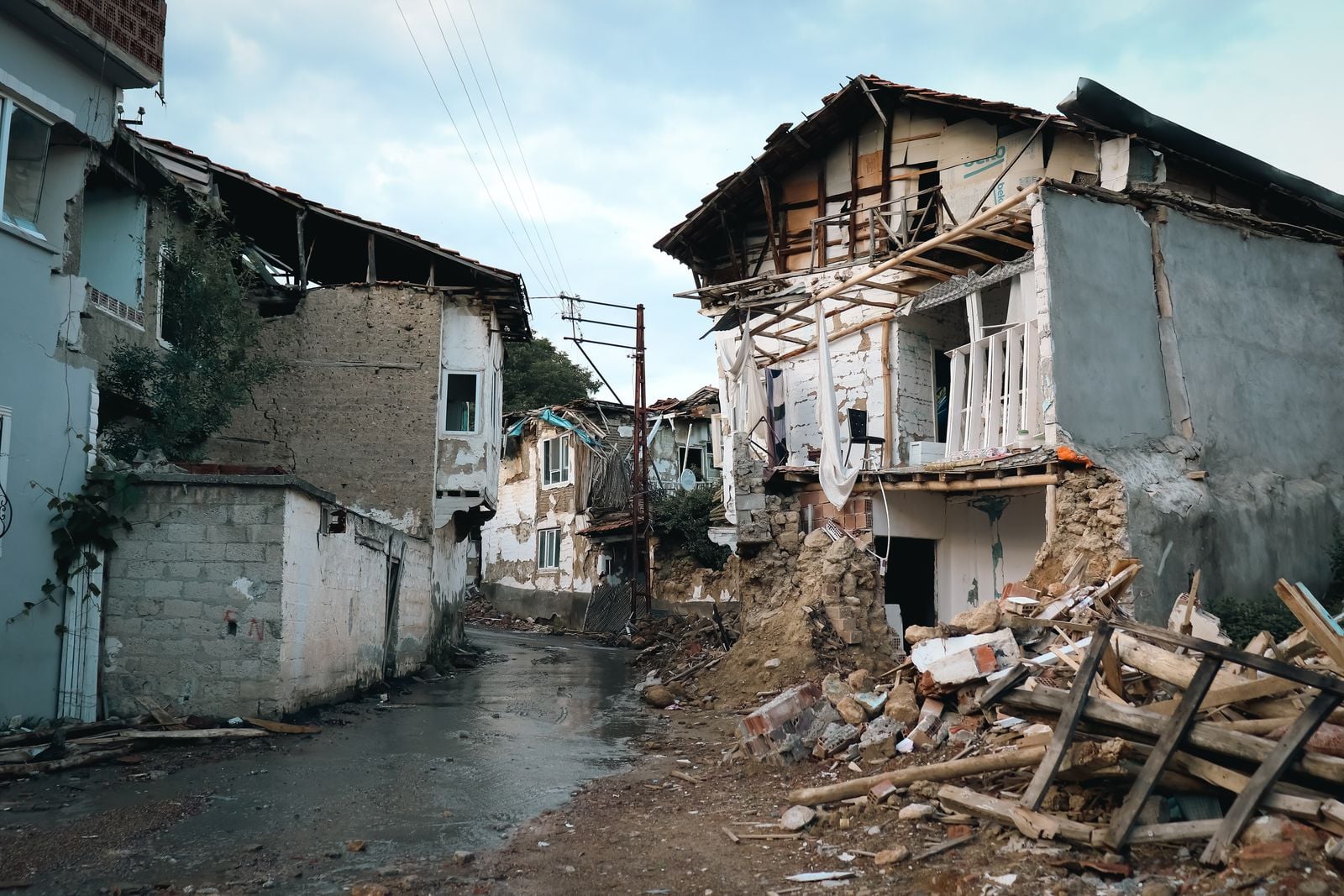
WIRED’s reporting described sharply different outcomes among neighbouring buildings. Sánchez Pulido identified structural resonance and local soil conditions as two factors that can help explain why buildings exposed to similar regional shaking respond differently. A structure’s natural vibration period depends on its height, mass and stiffness; shaking near that period can amplify its movement.
Ground conditions can also change the shaking that reaches a building. Sánchez Pulido told WIRED that Venezuelan regulations do not incorporate the same degree of soil-specific detail used in places such as Mexico City.
Shallow sources and a rapid sequence
The US Geological Survey currently lists both earthquakes at a depth of 10 kilometres. Shallow sources can produce strong surface shaking near a rupture, although experienced intensity and damage also vary with distance, ground conditions and construction.
USGS now classifies the magnitude 7.2 event as a foreshock and the magnitude 7.5 event as the mainshock in a double event. That classification describes the observed sequence; it does not by itself establish a simple triggering mechanism connecting the two ruptures.
A preparedness gap, not just a geological one
Caracas resident Verónica Cañas told WIRED that she felt Venezuela lacked the earthquake-preparedness culture she associated with countries such as Mexico and Chile.
Sánchez Pulido also told WIRED that preparedness can fade during long periods without a major earthquake, making continued drills and adherence to Civil Protection guidance especially important.
The consequences of an earthquake also depend on inspection capacity, rescue access, medical services and transport links. The USGS preliminary satellite assessment documented damaged structures, possible road blockages and localized to widespread landslides in several reviewed areas. It stressed that the assessment was incomplete and that observed landslides appeared less extensive than its initial models predicted.
International response
WIRED reported international financial commitments and search-and-rescue assistance following the earthquakes.
WIRED reported that Mexico sent 250 Ministry of National Defense personnel, five specialist search dogs, four aircraft and a search-and-rescue drone. It also cited Project HOPE, via the BBC, as identifying bandages, suture materials, medications and specialised tools for freeing trapped survivors among the urgent needs.
What the doublet exposes
Earthquakes test more than buildings. They also test codes, inspections, drills, supply chains, transport links and medical systems.
For Caracas and other affected areas, engineering forensics will need to separate several influences: damage from the first shock, response to the second, local soils, structural systems, workmanship and code compliance. The very short interval is central to that investigation, but current evidence does not make it the entire story.
