

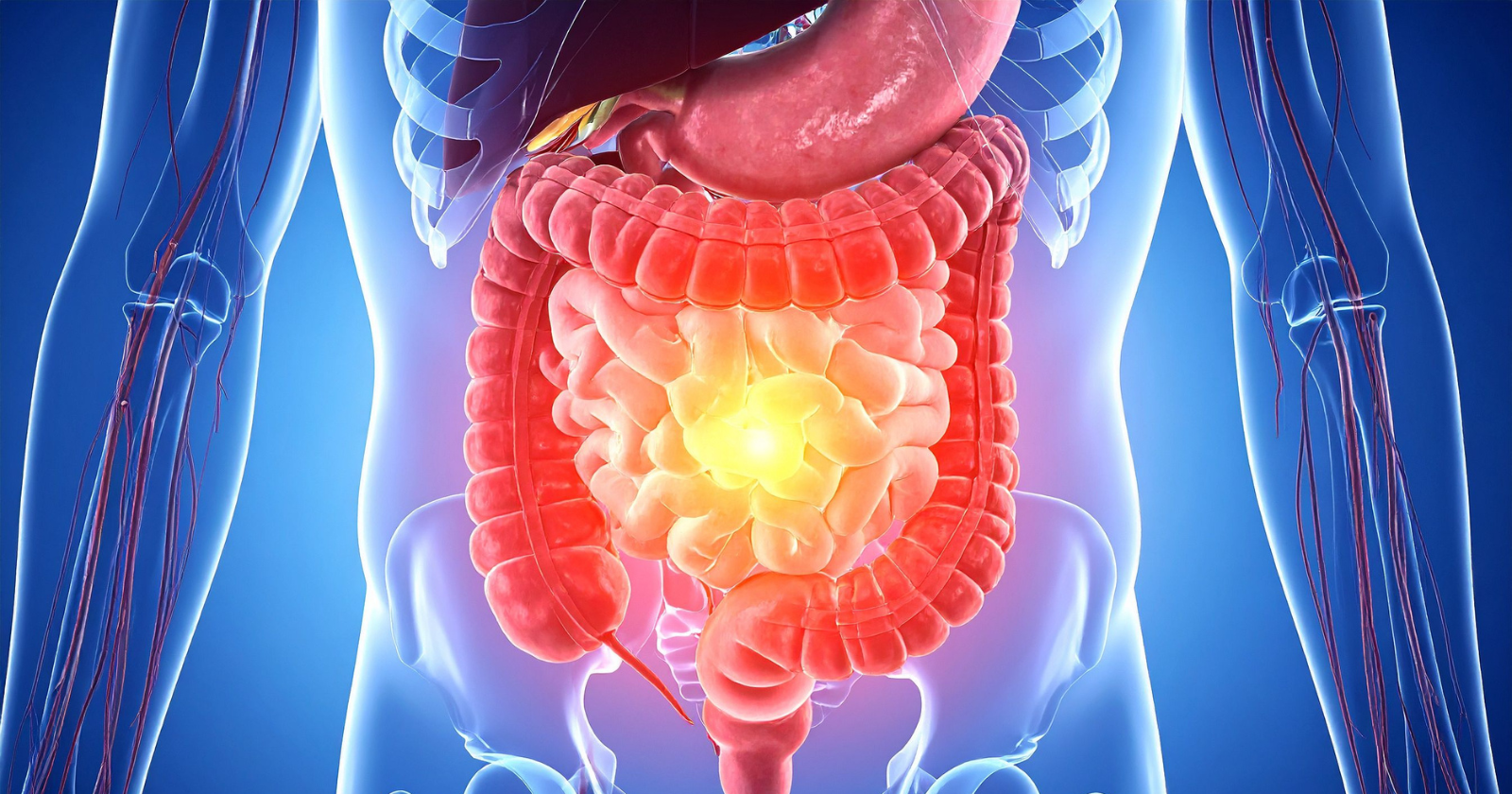
The human gut houses an estimated 100 million to 600 million neurons — a nervous system so dense and self-directed that it has its own name: the enteric nervous system. It lines the intestinal wall from esophagus to rectum, communicates with the brain through the vagus nerve, and registers chemical and mechanical signals well before the conscious mind has a chance to catch up. When a scent turns your stomach before you know why, or a room feels wrong before you can name what’s off, this is the tissue doing the noticing.
It is not a metaphor. It is a physical network of neurons, glia, and synapses embedded in the gut wall, and researchers at institutions including Massachusetts General Hospital and gastroenterology programs across Europe have been mapping how it behaves. What they are finding reshapes the old idea of intuition as something mystical. The body really does know things the mind hasn’t yet assembled into thought.
A second brain, wired in from the start
The enteric nervous system develops from the same embryonic tissue as the brain — the neural crest — and migrates down into the gut during fetal development. By the middle of gestation, the human ENS is already anatomically and functionally maturing. It arrives with the machinery for reflexes, contractions, and chemical sensing already in place.
The network is organized into two main plexuses — the myenteric plexus, which controls the muscle contractions that move food along, and the submucosal plexus, which senses the chemical environment of the gut lumen. Between them, they can operate the intestine entirely on their own. Sever the vagus nerve in a laboratory animal and the gut keeps digesting. No other organ in the body has that autonomy.
The neuron count in the human gut is substantial — comparable in scale to that of some small mammals — and packed into the walls of the digestive tract.
The vagus nerve: a two-way cable
The vagus nerve is the longest cranial nerve in the body, running from the brainstem down through the neck and chest into the abdomen, where it branches across the stomach, intestines, liver, and pancreas. It carries signals in both directions, but the traffic is lopsided. The majority of vagal fibers are afferent — they carry information from the gut up to the brain — with fewer fibers carrying commands the other way.
Which means the gut is mostly talking, and the brain is mostly listening.
The signals include stretch, pressure, pH, glucose levels, the presence of specific bacterial metabolites, and inflammatory markers. The brain integrates these long before any of it becomes a conscious feeling. By the time you notice a vague unease after a meal, or a lift in mood on a walk, the vagus has already been reporting for minutes.
What the neurons are actually doing
The most detailed map yet of enteric neuron behavior came from Ramnik Xavier’s lab at Massachusetts General Hospital, whose team profiled individual gut neurons under conditions ranging from parasitic infection to food allergy to germ-free states. Their findings, published in Science, identified two broad populations: sensory neurons that vary dramatically in number depending on what the gut is dealing with, and motor neurons that keep stable counts but shift their gene expression to match conditions.
The sensory neurons carry receptors for immune molecules — the same cytokines released during allergic reactions and infections. When the gut encounters a threat, these neurons respond directly, without waiting for a signal from the brain. They are, in effect, first responders with their own decision-making circuitry.
Xavier’s team revealed how adaptable the network is. The same infrastructure that manages peristalsis is also fielding chemical intelligence from the microbiome and immune system in real time.
Why the body notices before the mind does
The brain does not passively receive reality. It predicts it. The visual cortex generates a model of what it expects to see a fraction of a second before signals arrive from the eyes, then adjusts on the fly when incoming data contradicts the prediction. What reaches conscious awareness is largely the model, not the raw feed.
The gut operates on a different clock. Its neurons are not building predictive models of a social interaction or a business meeting — they are sampling chemistry, tension, vibration, and hormonal state. When your stomach tightens in a conversation that seems fine on the surface, the ENS has picked up something the cortex hasn’t yet fit into its narrative.
This is part of why the default mode network — the brain’s background chatter, which burns nearly as much energy as focused thought — often drowns out what the body is registering. The gut speaks in sensation. The mind speaks in words. And most people were trained to trust only one of those channels.
When the second brain breaks first
One of the most striking findings in recent neurology is that gut symptoms often precede brain disease by years. Parkinson’s patients typically develop chronic constipation years before tremors appear. The misfolded protein most associated with Parkinson’s — alpha-synuclein — appears in enteric neurons, raising questions about the progression pathway of neurodegenerative disease.
A Nature Portfolio synthesis on enteric nervous system dysfunction in neurodegenerative disease describes the pattern in detail. Misfolded proteins aggregate in gut neurons and glia. Local inflammation follows. The intestinal barrier loosens. Bacterial products leak into circulation, triggering wider immune activation. And pathogenic signals appear to ascend along vagal pathways to the brain — the same cable that carries gut feelings upward may also carry the seeds of neurodegeneration.
A separate 2025 study on the gut-brain-immune triad found that dysfunction in this axis correlates with early markers of Alzheimer’s and Parkinson’s. The gut is not just a passive reporter. It is an early warning system whose failure modes tell us something about how the whole organism is degrading.
Diet, damage, and the fragility of the network
The ENS is not indestructible. Research published in June 2026 found that Western-style diets weaken the gut’s nervous system through iron-dependent damage, degrading enteric neurons through oxidative stress pathways. High-fat, high-sugar intake accelerates the loss of specific neuron populations, particularly the nitrergic neurons that regulate smooth muscle relaxation.
Those neurons are also implicated early in Parkinson’s disease, which is one reason researchers are studying the enteric nervous system in neurodegeneration.
The infrastructure of gut feeling is, in other words, chemically vulnerable. What you eat, breathe, and absorb shapes the fidelity of the signal.
Rebuilding the wiring
Several labs are now working on interventions that target the ENS directly. A 2025 Nature paper reported that engrafted nitrergic neurons derived from human pluripotent stem cells restored gut motility in mice with damaged enteric networks. The cells integrated into existing circuitry, made functional connections, and resumed the coordination the animals had lost. It is early work, but the principle — that the second brain can be repopulated with lab-grown neurons — opens a door that was closed a decade ago.
Another 2025 study found that autism-associated gene variants disrupt enteric neuron migration during development, producing gastrointestinal dysmotility that tracks alongside the neurological features of the condition. The same genes that shape the cortex also shape the gut, and the gut symptoms are not incidental — they are part of the neurological signature.
A 2025 review on the gut-brain-immune axis in neurodegeneration laid out the therapeutic implications. If enteric neurons can be preserved, repaired, or replaced, some of what looks like brain disease may be treatable from below.
What intuition actually is
Strip away the mysticism, and intuition looks like this: a vast network of neurons in the gut wall, sampling the chemical and mechanical state of the body continuously; the vagus nerve carrying that information upward; the brainstem and insular cortex integrating it into feelings of ease or unease before the prefrontal cortex has assembled a story.
The body is not psychic. It is instrumented. It has receptors for stress hormones, for inflammatory cytokines, for the metabolites of specific bacteria, for stretch and pressure and pH. When those signals shift, the gut fires. When the gut fires, the brain feels it. And because the feeling arrives before the narrative, it registers as knowing something you cannot yet explain.
The distinction the yogis drew — that the body knows things the mind hasn’t figured out yet — turns out to be a reasonable description of the neuroanatomy. The mind is running a predictive model, mostly built from expectation. The gut is running a slower, chemical audit of the present. When the two disagree, the disagreement is what people have been calling intuition for as long as they have had a word for it.
Listening to the tissue
The practical implication is unglamorous. The second brain works best when the first one gets out of the way. Silence, walking, physical stillness, and the absence of language all quiet the predictive machinery of the cortex enough that vagal signals surface into awareness. This is why decisions often clarify in the shower, on a run, or in the moments before sleep — not because the mind is working harder, but because it is briefly working less.
The neurons in your gut are firing right now, reporting on a meal from three hours ago, a stress hormone level set an hour before that, a microbiome shaped over decades. Most of what they say never surfaces. But the signal is there, running up the vagus at the speed of nerve conduction, arriving in the brainstem before the thought that follows it. Somewhere between the intestinal wall and the insular cortex, a body is knowing something a mind hasn’t caught up to. It has been doing this the whole time.