

The five places on Earth where people most reliably reach 100 are separated by oceans, hemispheres, and roughly six thousand years of divergent cultural history. Okinawan fishermen speak a language incomprehensible in Tokyo. Sardinian shepherds live in mountain villages where the dialect still preserves pre-Latin roots. Nicoyans in Costa Rica trace ancestry to Chorotega peoples. Ikarians in the Aegean drink herbal teas foraged from limestone hillsides. Seventh-day Adventists in Loma Linda, California, are a religious community founded in the 19th century United States. What binds them isn’t a shared cookbook or a shared genome. It’s that in all five places, people still walk uphill, weed a garden, or haul something heavy well into their eighties.
That single overlap — daily, unremarkable physical labor built into the geography of ordinary life — is the most durable finding to emerge from two decades of Blue Zones research, and the one longevity researcher Dan Buettner keeps returning to when asked what the five regions actually have in common.
Five places, one habit
The Blue Zones concept was coined in the mid-2000s by Buettner and a team of demographers working with National Geographic. They identified five regions with statistically unusual concentrations of centenarians: Okinawa in Japan, Sardinia in Italy, Nicoya in Costa Rica, Ikaria in Greece, and Loma Linda in California. Each was reached independently, through different research collaborations, and each was verified against local birth and death records where those existed.
The methodology has since drawn scrutiny, including debates over how reliably extreme ages are recorded in some regions. That wider debate has forced a useful narrowing of what the Blue Zones actually demonstrate. The strongest signal that survives is not that these places produce supernumerary centenarians — it’s that the everyday lifestyle patterns in these regions, when measured against modern Western defaults, look consistently different in the same ways.
And the most consistent difference isn’t diet. It’s motion.
The gardens do the work
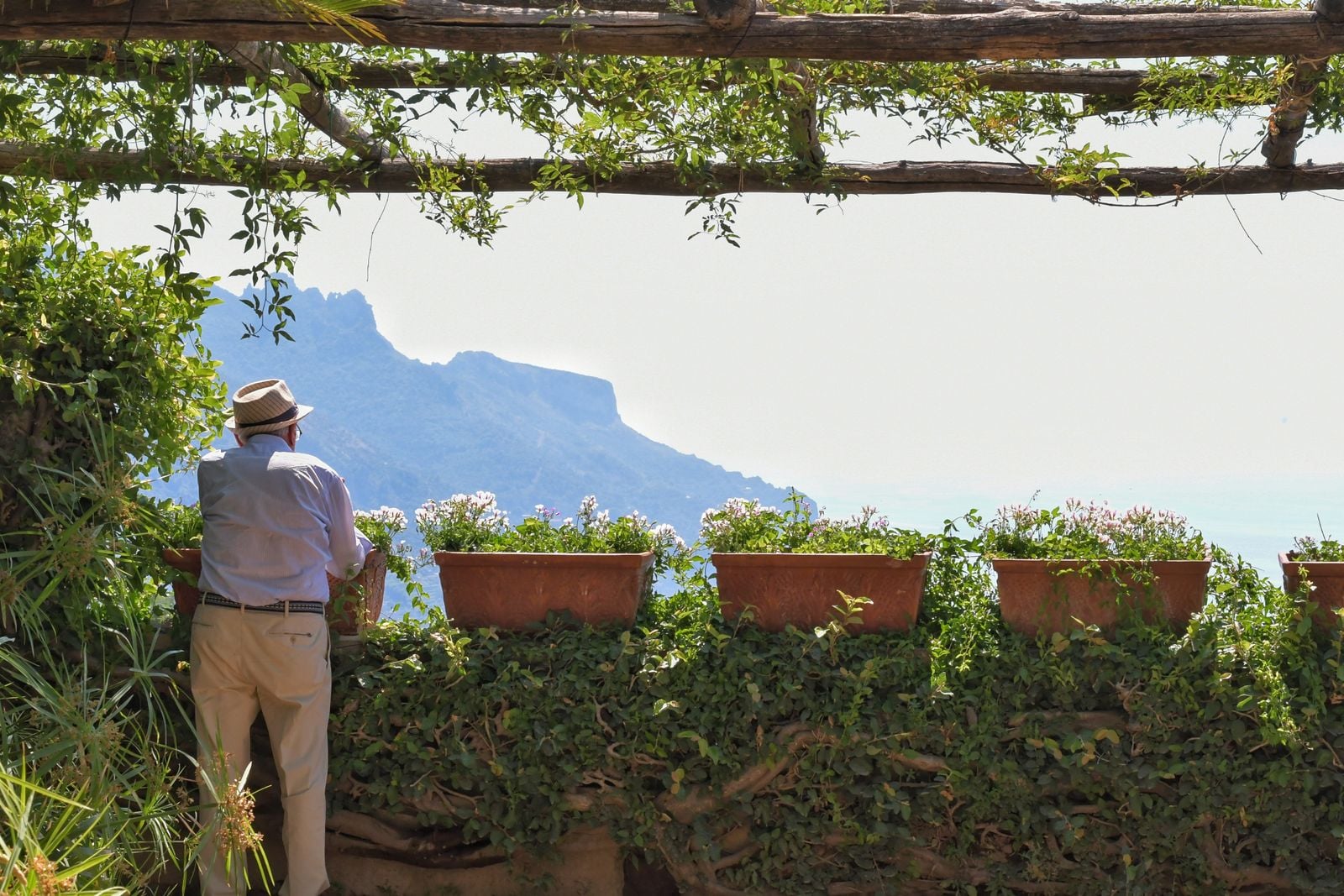
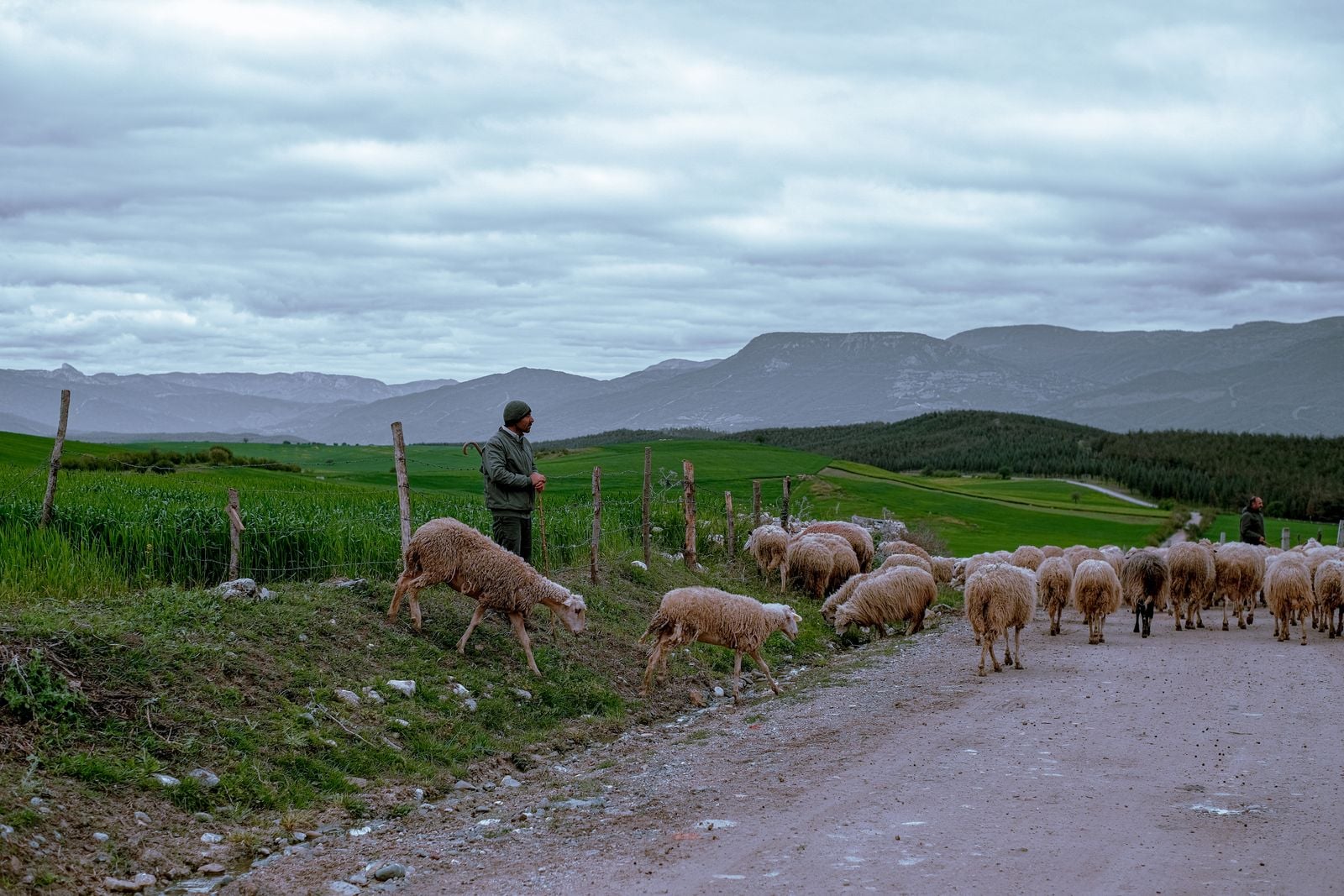
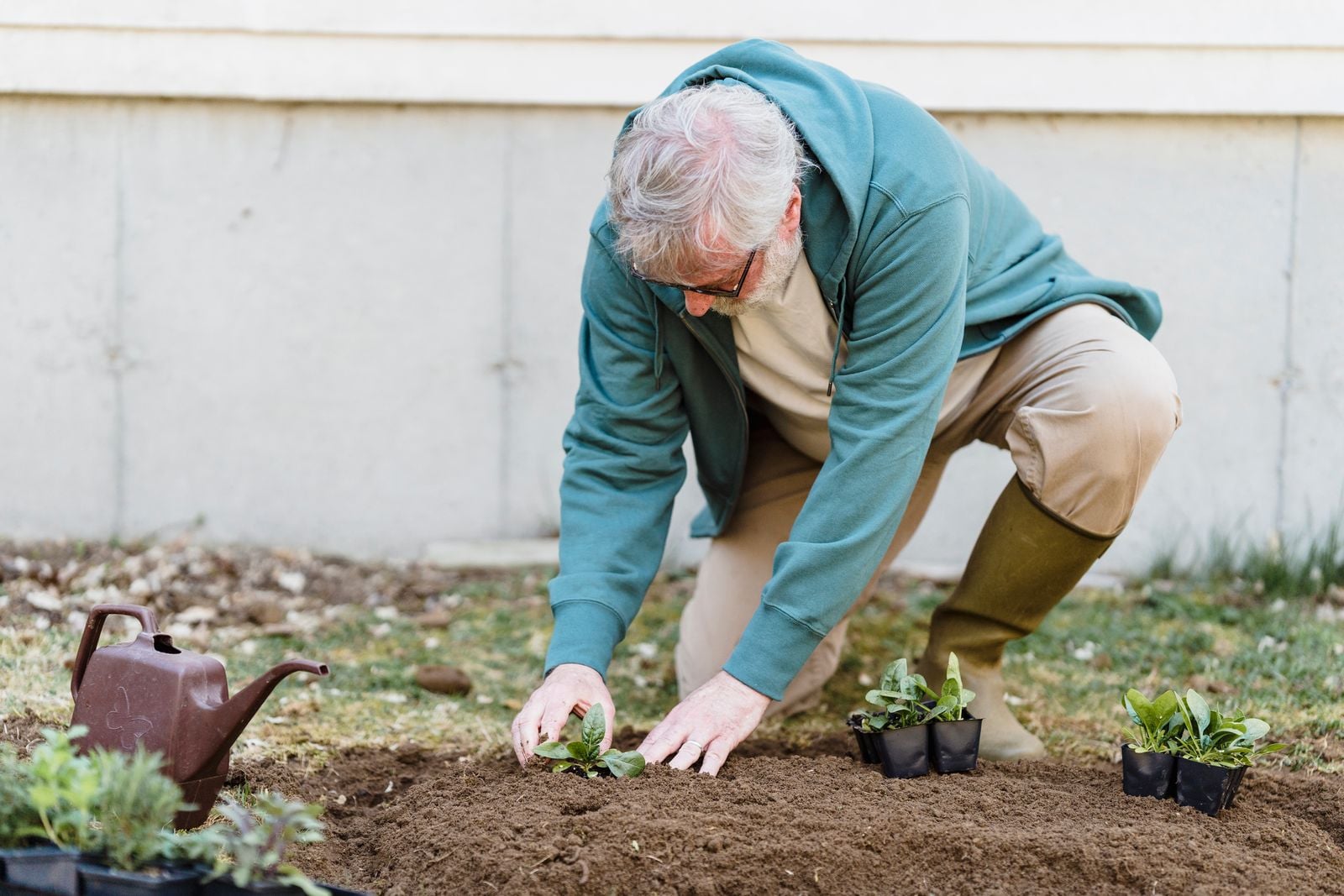
In Okinawa, elders in their nineties still tend small kitchen plots of sweet potato, turmeric, and bitter melon. In Sardinia’s Nuoro province, shepherds walk five miles a day across mountain terrain to move flocks. In Nicoya, subsistence farming and hand-milled corn are common into the eighth decade. In Ikaria, hillside gardens are the default and cars are useless on many of the paths. In Loma Linda, the Adventist community’s emphasis on gardening and daily walks accomplishes something similar through choice rather than geography.
None of it is exercise in the modern sense. Nobody in these communities is tracking heart rate zones or programming a hypertrophy block. The movement is embedded in the labor of feeding a household. You garden because you eat what you grow. You walk because the village is on a hill. You lift because the water needs carrying.
Buettner has described this as the difference between deliberate fitness and unavoidable motion. The Blue Zones don’t work because their residents have willpower. They work because the environment leaves them no choice.
What the diets share, and what they don’t
The food pictures diverge more than the popular telling suggests. Sardinians eat pecorino from grass-fed sheep and drink Cannonau red wine. Adventists in Loma Linda are largely vegetarian and abstain from alcohol entirely. Okinawans historically built their diet heavily around sweet potato. Ikarians build meals around wild greens and olive oil. Nicoyans eat corn tortillas, black beans, and squash — the classic Mesoamerican trio.
What overlaps is narrower: beans in some form appear daily in every region. About a cup a day of lentils, chickpeas, black beans, or similar legumes shows up across all five. Whole grains, nuts, and vegetables round out the pattern. Meat is rare — often reserved for celebrations or served in small portions a few times a month. Beans, in particular, are the single most consistent dietary feature across Blue Zone populations.
That leaves cuisine as a weak common denominator. Same food category, wildly different actual meals. The Sardinian minestrone and the Okinawan miso soup share almost nothing except that they are hot, salty, and full of legumes.
The genetics don’t line up
Population geneticists have looked hard for a shared longevity variant across Blue Zones and found nothing that carries across all five. Sardinian centenarians in certain regions show distinctive genetic markers specific to that valley. Okinawan centenarians carry different variants. Nicoyans, Ikarians, and Adventists have their own separate genetic backgrounds.
The Adventist case is the cleanest natural experiment. Loma Linda’s centenarian cluster sits inside California, sharing gene pools and healthcare infrastructure with tens of millions of Americans who die a decade sooner on average. The Adventists don’t have different DNA than their neighbors in San Bernardino County. They have a different Sabbath, a different diet, and a much higher rate of daily walking and gardening.
Genetics contributes something, but it can’t explain why five populations with almost no shared ancestry produce similar longevity outcomes. Something environmental is doing most of the work.
Religion doesn’t unify them either
Sardinia is Catholic. Ikaria is Greek Orthodox. Okinawa blends Ryukyuan animism, ancestor worship, and Buddhism. Nicoya is largely Catholic with Indigenous overlays. Loma Linda is Seventh-day Adventist Protestant, a denomination founded in the mid-19th century United States.
What these belief systems produce in common isn’t theology. It’s rhythm. Weekly rest days, regular communal meals, rituals that force people out of solitude and into the presence of neighbors. The Adventist Sabbath and the Ikarian saint’s-day feast are theologically incompatible, but functionally similar — both interrupt the week and gather people around food.
Buettner has argued that this social scaffolding matters as much as the movement. The five regions all happen to make loneliness structurally difficult.
The Okinawan collapse
The strongest evidence that the Blue Zones effect is environmental rather than genetic comes from watching one of them fall apart. Okinawa was once the region with the highest concentration of centenarians on Earth. By recent decades, younger Okinawans were dying younger than the Japanese national average, a collapse that unfolded within a single generation.
The genes did not change. The island did. American military bases introduced Spam, hamburgers, and a car-based transportation grid to a place that had previously been walkable and agrarian. Sweet potatoes gave way to white rice and processed pork. Kitchen gardens shrank. The distance between home and food source stretched from the back yard to the supermarket.
The traditional Okinawan diet the researchers first documented was notably low in calories — about 10 to 15 percent below standard modern recommendations. That was not a chosen diet. It was what an isolated subtropical island could grow before industrial food arrived.
When the environment shifted, so did the outcomes. Same genes, same island, different life expectancy. The natural experiment nobody designed produced the clearest possible answer about what was doing the work.
Sardinia and the men who don’t retire
The Nuoro province of Sardinia produces a phenomenon almost nowhere else in the developed world matches: men reach 100 nearly as often as women. Everywhere else, female centenarians outnumber male by roughly four or five to one. In the Sardinian mountain villages the ratio approaches parity.
The explanation researchers keep landing on isn’t diet or wine. It’s that Sardinian shepherds don’t retire into irrelevance. A man in his eighties is still walking with the flock, still consulted, still needed. The physical labor and the social role arrive as one package. Purpose and motion are the same thing.
This matches the broader Blue Zones pattern. In Okinawa the concept is ikigai — a reason to get up in the morning. In Nicoya it’s plan de vida. Both translate loosely to something like life purpose, and both, in practice, mean physical, useful work continuing decades past when a Western worker would have been pensioned off.
What travels and what doesn’t
The Blue Zones have become a brand. Buettner’s team now runs community projects in dozens of American cities trying to engineer some of the same effects — redesigning food environments, walking infrastructure, and social groups to nudge default behaviors toward the Blue Zones template. There are cookbooks, meal kits, and a growing tourism industry organized around visiting the five regions.
The recipes travel. The pantry advice travels. The harder part is the geography. A Sardinian villager walks five miles a day because the village sits on a mountain. An Okinawan elder gardens because the garden is ten feet from the kitchen door. These are not lifestyle choices imported from a book. They are the byproduct of centuries of settlement patterns that predate cars, supermarkets, and elevators.
The interesting question is whether the effect can be reproduced without the geography. Loma Linda suggests it can, up to a point — the Adventist community deliberately constructs its own version of Blue Zone conditions through religious practice and community norms, and gets Blue Zone-like results. But the Adventist example took a century and a shared religious framework to build. It’s not a quick import.
The daily hour
A recent Italian analysis suggests extreme longevity may be spreading beyond the original Blue Zones in Italy as broader populations adopt similar patterns. The critique that some centenarian counts were inflated by paperwork errors doesn’t erase the underlying signal — it just clarifies it. The Blue Zones lesson isn’t about hitting 100. It’s about compressing the years of chronic disease at the end of life so that the last decades stay functional.
What emerges from the messy overlap of five very different places is a modest, consistent picture. Beans most days. Meat rarely. Wine or not, depending on where you were born. A weekly rest day, whether the theology behind it is Catholic, Adventist, or Orthodox. And roughly an hour or two of unstructured physical labor built into the day, every day, until the body finally refuses.
The genetics differ. The recipes differ. The gods differ. What’s left, when you strip away everything the five regions don’t share, is a garden, a hill, and a body that kept moving because there was still something worth moving for.