
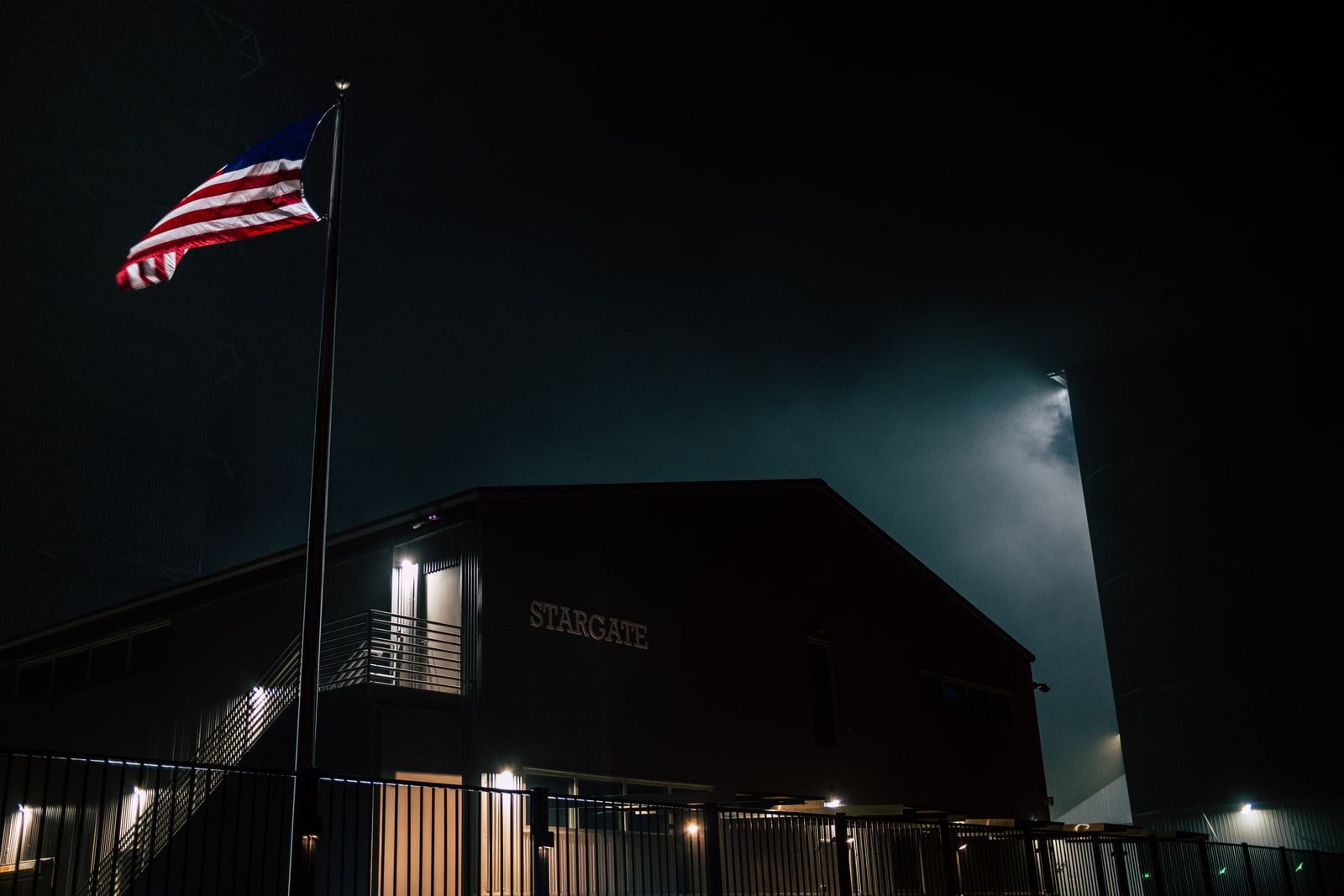
SpaceX is targeting Thursday for the 13th full-scale test flight of Starship, a mission that will carry Starlink satellites into a suborbital trajectory and attempt to resolve the two most consequential failures from May’s Flight 12: a Raptor engine relight in space and control instability on the Super Heavy booster during descent.
The launch window opens at 5:45 pm CDT from Starbase, Texas, with the Federal Aviation Administration indicating a possible liftoff as early as Wednesday, July 15. Booster 20 completed a static fire of all 33 Raptor 3 engines on July 10, clearing the last major checkpoint before rollout.
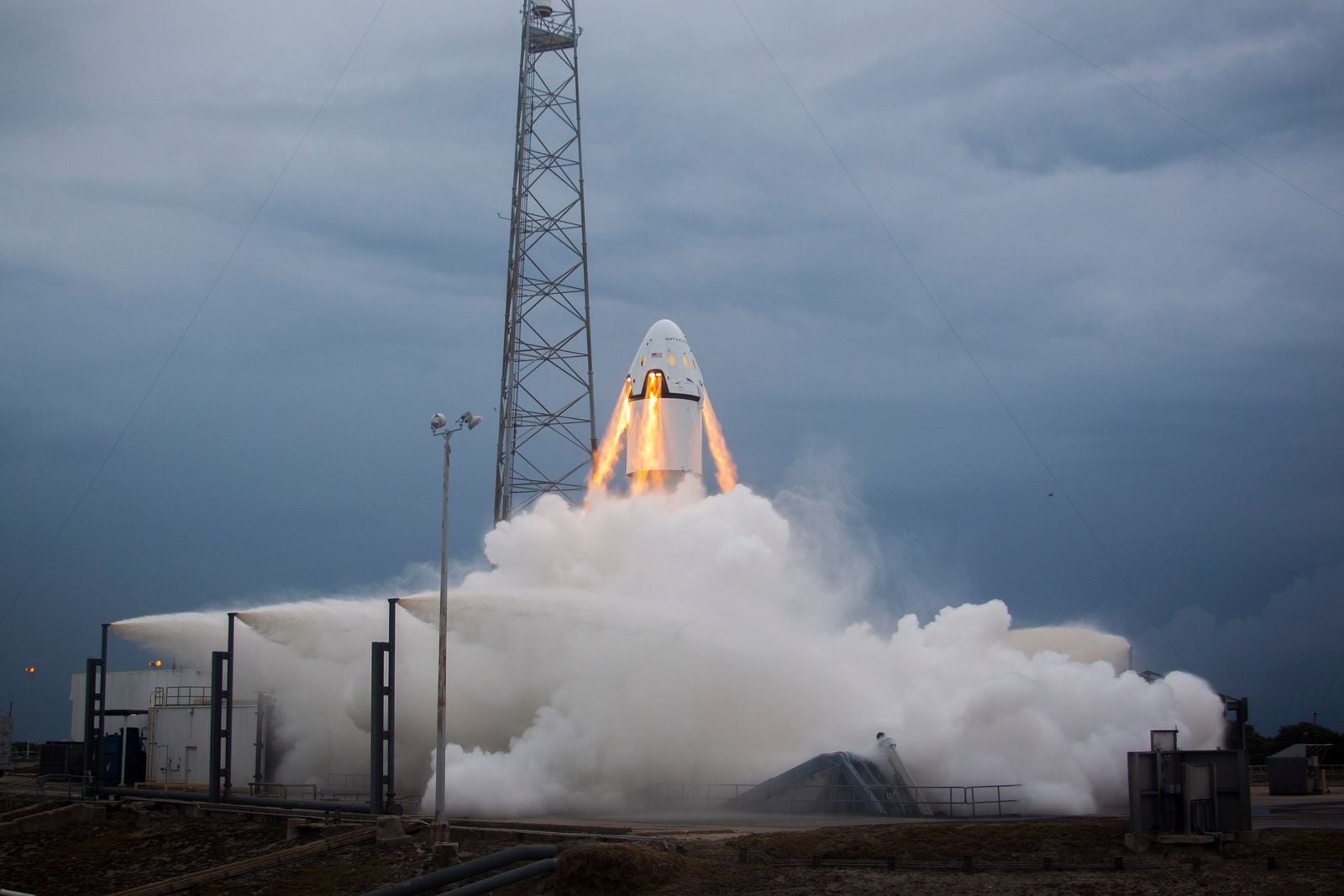
Flight 13 is the second outing for Starship V3, the redesigned vehicle SpaceX debuted in May with a taller propellant tank, upgraded avionics, and hardware for future orbital propellant transfer. It is also the first time the company will fly working Starlink satellites inside Starship’s payload bay rather than the mass simulators used on earlier tests.
What Flight 12 broke, and what Flight 13 has to fix
Flight 12 in May was billed as a mixed result. The upper stage reached its planned suborbital trajectory and executed a soft splashdown in the Indian Ocean. The Super Heavy booster did not. Booster 19 failed to stabilize itself for a controlled ocean landing after multiple engines encountered relight issues during the boostback burn.
The upper stage had its own problem. An engine anomaly forced SpaceX to skip the in-space Raptor relight demonstration, a capability that must work reliably before Starship can perform deorbit burns, orbital maneuvers, or the lunar descent required by NASA’s Artemis contract.
SpaceX attributed the booster’s issues to engine startup timing differences during stage separation. SpaceX reportedly stated that the vehicle demonstrated engine out capability and reached its planned suborbital trajectory, according to what was described as an official post-flight statement. SpaceX indicated that hardware and operational modifications were made to address the causes of the issues.
Flight 13 will attempt the same mission profile with those fixes in place. Ship 40 and Booster 20 will fly a suborbital arc lasting slightly over an hour, with both stages targeting ocean splashdowns rather than tower catches.
The heat shield is the real problem
Behind the engine relight and booster control objectives sits a harder engineering question that Elon Musk has repeatedly identified as the single biggest obstacle to making Starship economically viable.
Musk has stated that the single biggest remaining problem for Starship is having the heat shield be reusable, noting that no one has ever made a reusable orbital heat shield.
Starship’s belly is covered in thousands of hexagonal ceramic tiles that must survive repeated reentries without individual inspection or replacement. Falcon 9 has proven that first-stage boosters can fly dozens of times, but that vehicle never faces orbital reentry heating. Ship does, and it does so in a belly-first freefall profile more reminiscent of the Space Shuttle than a returning booster.
Musk has emphasized that if you want to be able to land the vehicle, refill propellant, and fly again, you can’t do laborious inspection of thousands of tiles.
To gather data on how the current tile configuration is holding up, several of the Starlink satellites on this flight will carry cameras aimed at Starship’s heat shield. The satellites will photograph and scan the vehicle’s tiles during ascent and cruise before deployment, giving engineers imagery that ground telemetry cannot capture.
Why Starlink V3 matters for the economics
The satellites aboard Flight 13 are the first operational V3 units to ride Starship. When Starship is fully qualified, each launch will be able to carry significantly more V3 satellites — a payload class that Falcon 9 cannot physically accommodate.
The capacity math explains why SpaceX has pushed Starship development so aggressively. A fully loaded Starship with V3 satellites would add substantially more throughput per launch than current Falcon 9 missions.
That expansion sits on top of an already dominant orbital footprint. SpaceX now operates more than 10,000 Starlink satellites, roughly two-thirds of all active spacecraft in orbit. Starship’s operational debut would accelerate that concentration rather than slow it.
NASA is watching, and running out of patience
Starship’s schedule pressure is no longer just commercial. NASA is counting on a Starship-derived Human Landing System to deliver astronauts to the lunar south pole under the Artemis program, and the agency has begun restructuring its plans around Starship’s slower-than-hoped progress.
NASA administrator Jared Isaacman announced in February that Artemis III would no longer attempt a lunar landing. Instead, a crew will fly to low-Earth orbit in 2027 to practice docking with a lunar lander, with the actual surface landing pushed to a later Artemis mission in 2028.
Isaacman reportedly criticized the previous architecture as unsustainable or inadequate for achieving mission success.
NASA has asked SpaceX for a streamlined plan to speed the lunar return, and has also asked Blue Origin to accelerate its competing lander. China is targeting a crewed lunar landing by 2030, and both nations are aiming for overlapping locations at the south pole.
The stakes for the vehicle
Starship stands over 400 feet tall, making it the largest rocket ever flown. It is designed to lift more than 100 tons to low Earth orbit fully reusably — a capability no other vehicle, current or historical, has come close to demonstrating.
The vehicle still has a long list of milestones ahead of it even if Flight 13 succeeds: an orbital insertion, ship-to-ship propellant transfer, and the first catch of an upper stage back at Starbase. None of those are on the manifest for Thursday.
What Flight 13 can do is prove that the V3 architecture is stable enough to build on. A clean flight with a successful in-space Raptor relight, a controlled booster descent, and useful heat shield imagery would put SpaceX back on the trajectory the company sketched out before Flight 12’s engine problems.
A second consecutive failure of either objective would be harder to absorb. NASA’s revised Artemis timeline already assumes Starship recovers momentum quickly. Starlink’s V3 capacity buildout depends on the vehicle reaching operational cadence. And the underlying question — whether anyone can build a heat shield that survives reentry after reentry without a small army of technicians inspecting every tile — remains unanswered.
The launch window opens Thursday afternoon. Weather and range conditions permitting, the answer to at least part of that question will be visible from Starbase by nightfall.
