
SpaceX has cleared one of the last major technical hurdles before the debut flight of its Version 3 Starship, completing a full-duration, full-thrust static fire of all 33 Raptor engines on the Super Heavy booster at Starbase, Texas. But even as the rocket moves closer to flight readiness, a new lawsuit from South Texas homeowners is putting fresh scrutiny on the launch cadence NASA’s Artemis program is counting on.
The company is targeting a mid-May launch window for Flight 12, the 12th overall test of the Starship system and the first to use the upgraded Version 3 hardware. According to Space.com, SpaceX described the May 7 trial on X as a full-duration and full-thrust static fire test involving all 33 engines on Super Heavy V3.
Airspace advisories point to a wider launch window. Filings reviewed by SpaceNews show daily launch opportunities running from May 12 through May 18, with SpaceX yet to officially confirm a date as testing of both vehicle and ground systems continues.
What the static fire actually proved
Thursday’s hot fire was the first successful full-up static fire of a V3 Super Heavy. Two earlier attempts on the same booster fell short, ending early in each case because of problems with ground equipment rather than the rocket itself.
The upper stage that will fly on Flight 12 has already been through its own checkout. The Ship ignited all six of its Raptor engines during a successful static fire in mid-April.
Together, the two tests check off the propulsion qualifications most likely to scrub a launch. What remains is integration, tanking rehearsal work and regulatory clearance.
Why Version 3 matters
Starship is already the largest and most powerful rocket ever built, standing more than 400 feet tall and designed to lift more than 100 tons to low Earth orbit. Version 3 brings upgrades to both stages, including changes intended to support the orbital refueling that NASA’s Artemis architecture depends on.
Flight 12 itself will be suborbital, like the 11 Starship missions that came before it. The first flew in April 2023. The gap between Flight 11 and Flight 12 reflects both the scope of the V3 redesign and a serious setback last year: the original Flight 12 Super Heavy was destroyed during a pressure test at Starbase, pushing a launch SpaceX had once hoped to fly earlier into 2026.
Artemis is watching
The stakes go beyond a single test flight. NASA has selected Starship’s upper stage as one of the crewed lunar landers for its Artemis program. The vehicle is expected to support future Artemis missions, but only after SpaceX demonstrates critical capabilities including orbital propellant transfer.
For Starship to be ready, SpaceX has to do far more than fly suborbital test arcs. The vehicle needs a working life-support system for crewed missions. It needs to reach orbit and operate there. And it needs to demonstrate orbital propellant transfer, the linchpin of NASA’s lunar architecture and a capability no operator has proven at this scale. Every delay narrows the runway between Starship’s test program and NASA’s lunar schedule.
Local pushback grows louder
That runway is what makes the second front around Starbase consequential. Homeowners from South Texas communities including Port Isabel, South Padre Island and Laguna Vista have filed suit in U.S. District Court for the Southern District of Texas, alleging that repeated Starship launches and related acoustic events damaged their homes.
The Texas Tribune reported that the plaintiffs own 53 homes and are seeking a jury trial, damages, court costs and attorney fees. The suit accuses SpaceX of gross negligence and trespassing tied to loud blasts from 11 rocket tests between April 2023 and October 2025.
The complaint argues that repeated sonic booms, vibration and launch noise can damage walls, windows and roofs. Those allegations have not yet been tested in court. SpaceX has not filed a formal response, and the Tribune reported that no hearings were scheduled at the time of its report.
The legal risk for SpaceX is not only the dollar value of any damages claim. If plaintiffs are able to produce persuasive evidence tying Starship operations to property damage, regulators and local officials could face pressure to look more closely at launch frequency, noise exposure and mitigation around Starbase. That would matter for Artemis because SpaceX needs a fast test cadence to move from suborbital flights to orbital operations, refueling demonstrations and lunar-lander readiness.
Similar concerns have followed Starship to Florida. Environmental review work for SpaceX’s planned Starship operations at Cape Canaveral Space Force Station has examined noise and overpressure effects around the launch environment, including the possibility of damage to some structures within the spaceport itself. The Texas lawsuit does not determine what happens in Florida, but it gives other communities a legal storyline to watch.
What to watch next
The technical objectives for Flight 12 will likely include a controlled splashdown of the booster, a full ascent profile for Ship and a guided reentry. Anything beyond that, including additional in-space engine or reentry data SpaceX needs for orbital missions, would strengthen the case that V3 is ready to move toward more ambitious flights.
The political objectives are harder to script. A clean flight buys SpaceX time and goodwill with regulators and with NASA, whose Artemis timeline is already tight. A bad day at Starbase, especially one that visibly rattles nearby communities, could give plaintiffs more material for their case and give federal reviewers more reason to scrutinize cadence.
For now, the rocket is closer to ready. The community, the courts and the calendar are the variables left.
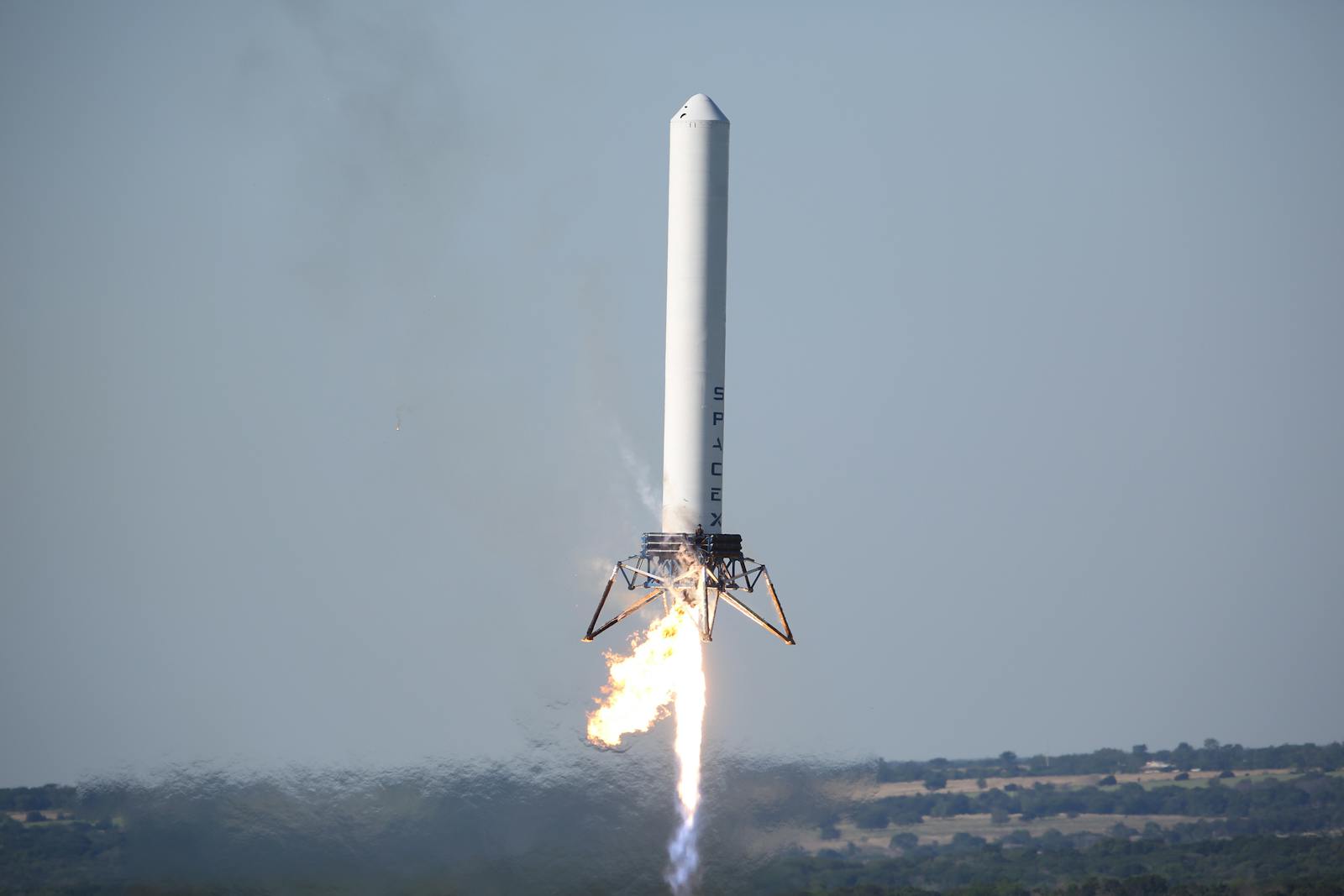
Photo by SpaceX on Pexels
