
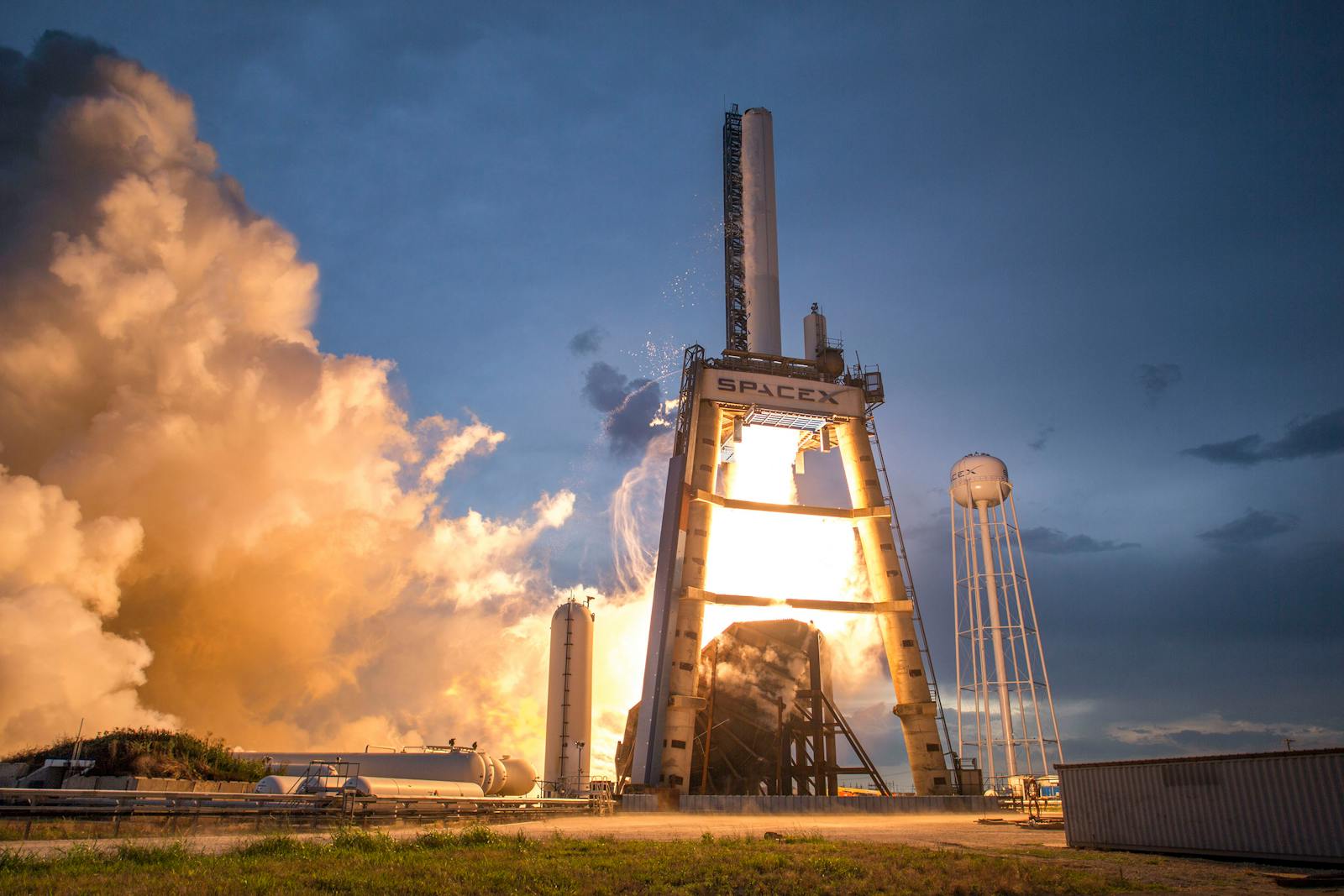
SpaceX has loaded propellant into its Starship V3 vehicle, completing a full launch rehearsal that clears one of the final technical hurdles before the largest rocket ever built attempts its debut flight. A launch attempt could come within days.
The company said cryogenic propellant flowed into the fully stacked vehicle at its Starbase facility in South Texas during a flight-like countdown on Monday, May 11. The exercise marks the closest the V3 has come to actual liftoff and signals that a launch attempt is imminent.
In a post on X, SpaceX described loading more than 5,000 metric tonnes of propellant onto the stacked Super Heavy booster and Starship upper stage for the first time.
A taller, more capable vehicle
The V3 standing on Pad 2 at Starbase now holds the title of tallest rocket ever assembled. At 408.1 feet, it edges out its V2 predecessor by about four feet, according to Space.com’s reporting on the rehearsal.
Height is the headline number, but the more consequential change is hidden inside. The Super Heavy booster is powered by the next-generation Raptor 3 engines across all 33 positions, and the upper stage carries upgraded propulsion designed to push payload capacity well past anything operational today. According to Space.com’s reporting, citing Elon Musk, the V3 can carry more than 100 tons to low Earth orbit, compared with about 35 tons for the V2.
That jump in capacity is the variable NASA has been waiting on.
Why this flight matters for Artemis
V3 is the first Starship variant SpaceX considers capable of deep space operations, including the orbital refueling architecture required to send a lunar lander to the Moon. Multiple Starship flights have occurred using earlier hardware versions, including two successive successes that closed out 2025, but none of those vehicles were configured to support a crewed lunar mission. Until V3 flies, the lunar lander variant of Starship effectively exists only on paper.
NASA has selected Starship and Blue Origin’s Blue Moon as crewed landers for the Artemis program. Following a February 2026 restructure, Artemis 3 is targeted for mid-2027 and will test docking in Earth orbit between the Orion capsule and one or both of those landers. Artemis 4 is scheduled to put astronauts on the lunar surface near the south pole in late 2028.
Those timelines depend on hardware that does not yet exist in flight-ready form. Both lander programs have run into development risk on cryogenic fluid management and other systems. NASA has indicated it is willing to fly whichever lander is ready first, which raises the stakes on each test flight from either provider.
Previous Starship flights were technology demonstrations on hardware NASA’s lunar architecture could not actually use. This one is different. The clock on a crewed Moon landing does not really start until V3, or something like it, proves it can reach orbit intact.
What Flight 12 needs to demonstrate
The suborbital profile for the upcoming flight is expected to mirror the V2 test campaign: a Gulf of Mexico booster splashdown or catch attempt, followed by a Starship trajectory carrying it most of the way around the planet to a controlled water landing in the Indian Ocean.
What changes is everything inside the vehicle. New engines, new thermal protection, new plumbing for the eventual in-space propellant transfer that NASA’s lunar architecture requires. A first flight of any new variant carries elevated risk, and SpaceX’s own history with Starship reflects that.
The first Starship integrated flight ended in an explosion minutes after liftoff. Subsequent missions chipped away at the problem set: stage separation, booster return, heat shield performance, upper stage relight. Each was a discrete engineering test wrapped inside what looked, from outside, like a single rocket launch.
The institutional stakes
The success or failure of this flight will be read as a proxy for something larger than one rocket’s debut. NASA’s near-term human spaceflight strategy is built around commercial providers delivering hardware the agency itself no longer builds. That arrangement has produced impressive results, but it has also concentrated schedule risk on private development timelines.
If V3 flies cleanly, SpaceX moves from interesting prototype to credible Moon contractor in a way that reshapes the calculus around Artemis. If it does not, the pressure on NASA’s lunar surface timeline grows, and the relative position of Blue Origin’s parallel program shifts accordingly.
What to watch in the next few days
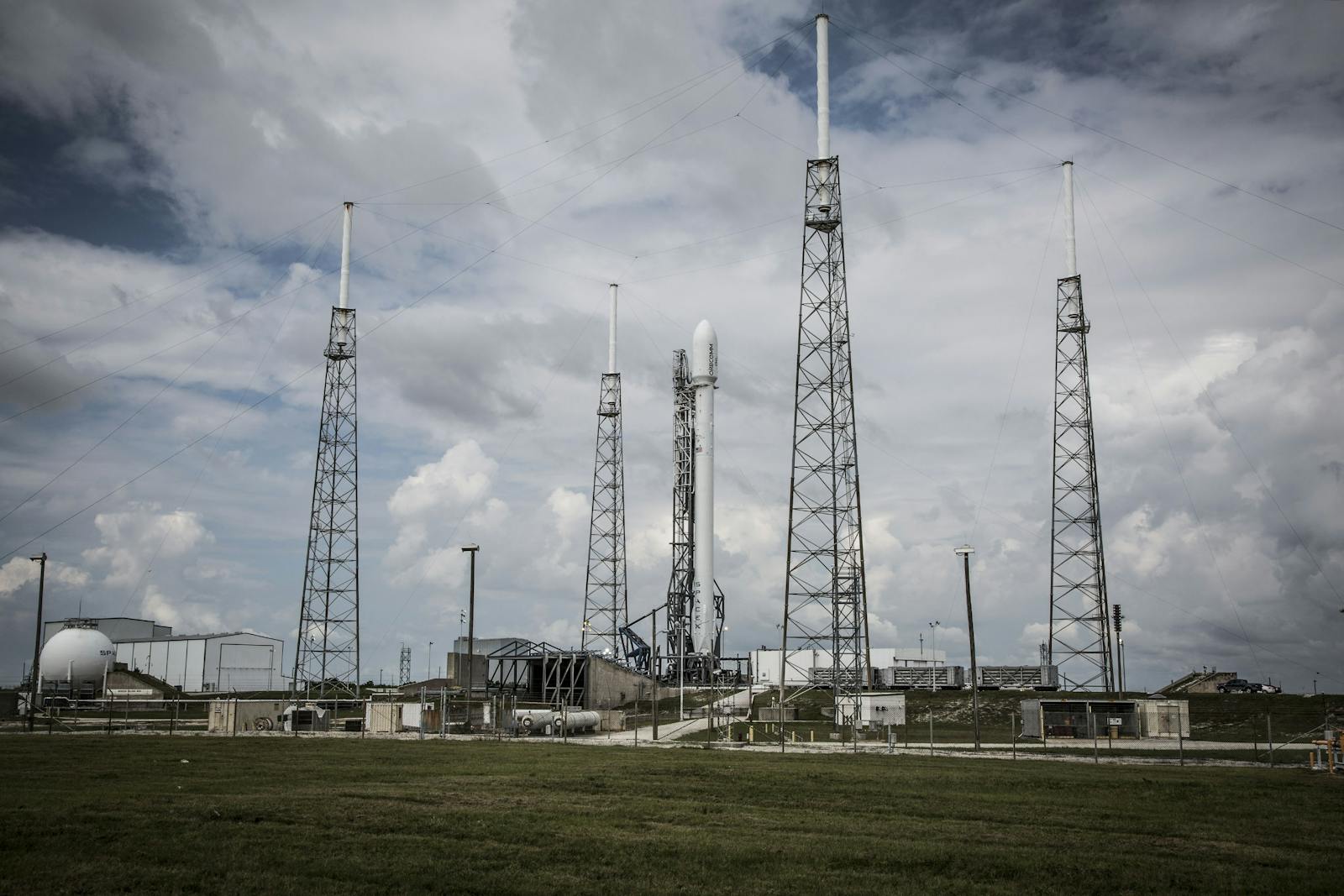
SpaceX has not formally committed to a launch date, but the rehearsal sequence suggests the company is treating the days immediately ahead as a live window. Federal Aviation Administration paperwork and weather over South Texas will shape the exact attempt date.
Observers should pay attention to three specific things. First, whether the Raptor 3 engines on the booster all light and burn through ascent without anomalies. Second, whether the upper stage survives reentry intact, validating the new thermal protection design. Third, whether SpaceX attempts another “chopstick” catch of the Super Heavy booster at the launch tower, or opts for a water landing on this first V3 outing.
The answers will set the tempo for Artemis hardware development across both contracted lander programs through the rest of the decade. Fueling the rocket was a milestone. What happens at the next attempt determines how quickly Starship moves from suborbital test article to plausible Moon vehicle.
Photo by SpaceX on Pexels
