
NASA has placed Brian Hughes, its former chief of staff, in charge of the agency’s two largest launch sites. Hughes has no background in spaceflight engineering, civil space launch operations, or running a launch range. He is a U.S. Air Force veteran who served as a KC-135 aircrew member during the Gulf War, and his career since has run through Florida municipal government, Trump campaign work, and White House communications. The appointment has drawn unusually sharp criticism from the ranking Democrat on the House Science Committee and reopened a long-running fight over whether technical leadership at NASA should require technical experience.
Hughes was sworn in May 8 as senior director of launch operations, a newly created role based at Kennedy Space Center in Florida with oversight of both KSC and Wallops Flight Facility in Virginia. He reports directly to NASA headquarters in Washington.
A Political Appointment in a Technical Chair
Hughes is not an engineer. He is not a former astronaut. He has not run a launch range. His resume, as summarized by ExecutiveGov, runs through White House communications, Florida municipal government, and political consulting, alongside his Air Force service decades earlier. His most recent NASA tenure, as chief of staff from May to December 2025, was brief. Now he is responsible for spaceport operations that support commercial, scientific, and national security missions.
NASA Administrator Jared Isaacman framed the hire as a fit for the agency’s coordination problems rather than its engineering ones, citing what he called Hughes’s “operational expertise, strategic leadership, and public service experience at the highest levels of government.”
Congressional Criticism
The reaction on Capitol Hill was blunt. Rep. Zoe Lofgren, D-Calif., ranking member of the House Science Committee, called Hughes “a political hack that has a proven record of harming the agency” and said the appointment came without prior notification to the committee.
“We are not going to beat China to the Moon by putting a political operative in charge of launching our astronauts into space,” Lofgren said in her May 8 statement. “Brian Hughes does not possess the background, knowledge, expertise, or temperament to hold a position of such immense responsibility.”
Lofgren also tied Hughes specifically to what a recent Science Committee Democratic minority staff report described as the illegal implementation of the President’s Fiscal Year 2026 budget request before Congress had approved it. That framing turns the Hughes file into something more than a personnel dispute. It positions the appointment as part of a broader oversight fight over how the Trump administration has been running NASA.
What Hughes Actually Oversees
The job title suggests vast authority. The actual portfolio is narrower than it sounds.
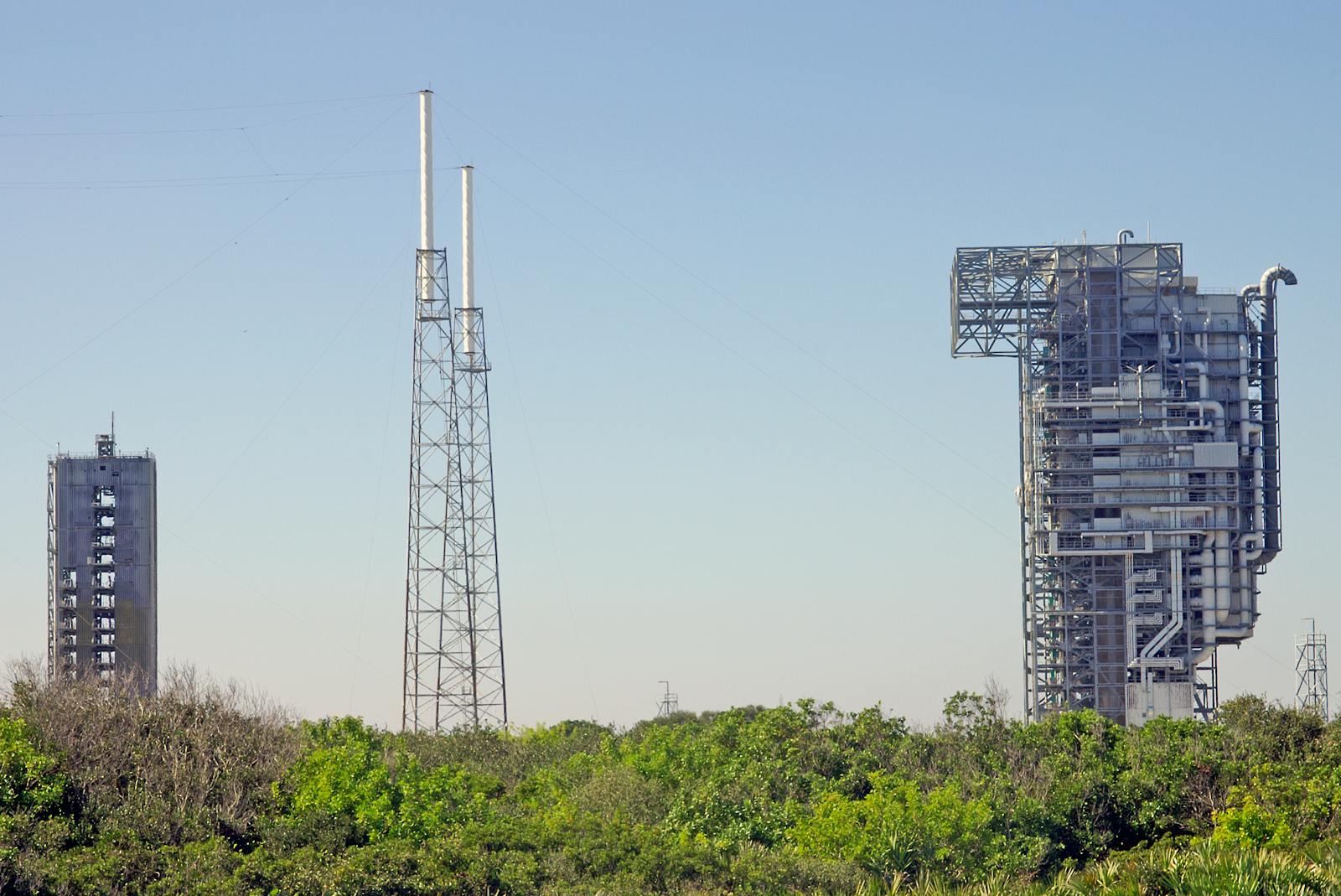
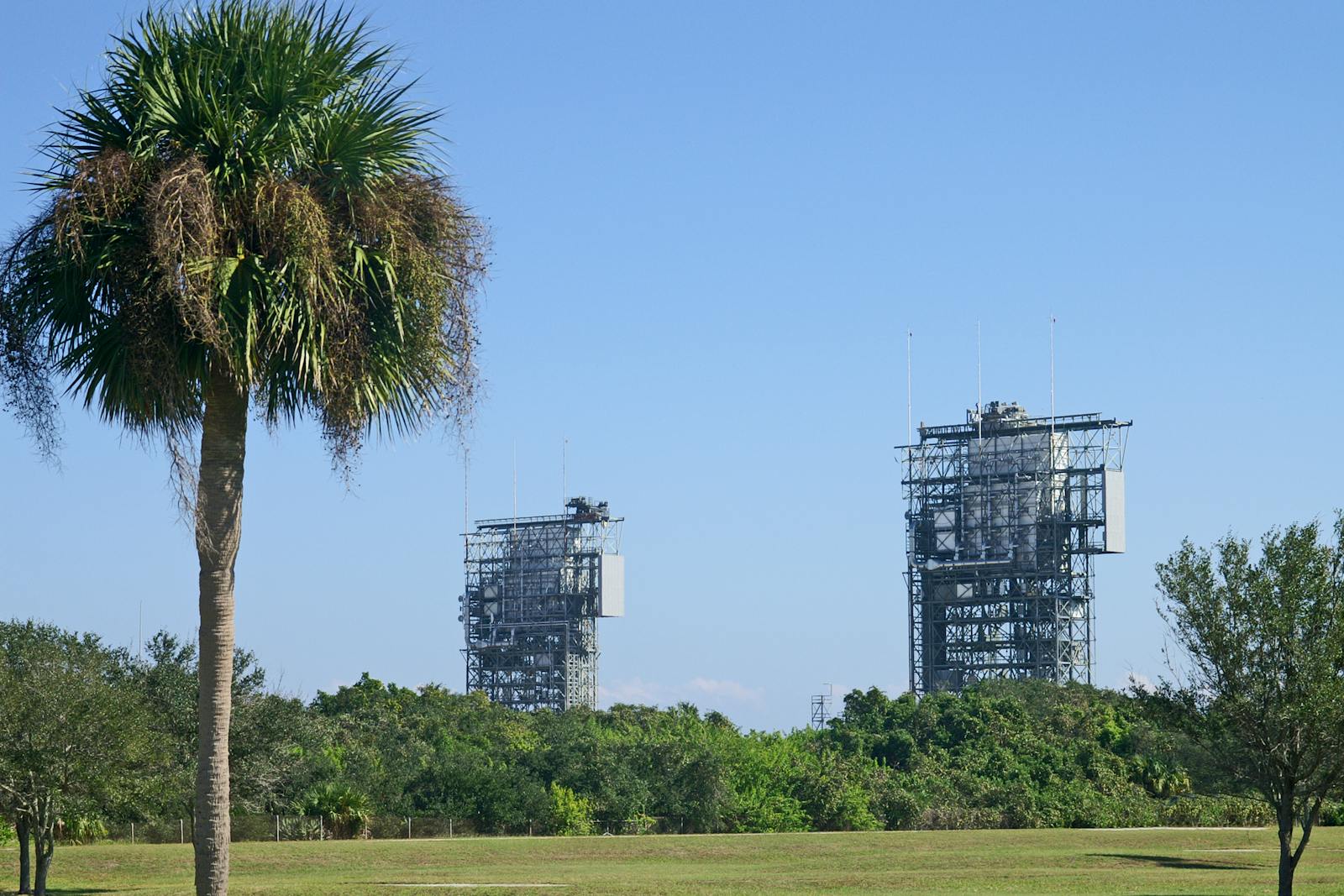
Most American orbital launches from Florida do not happen on NASA property. They happen next door at Cape Canaveral Space Force Station, which is run by the U.S. Space Force. At Kennedy itself, Launch Complex 39B supports the Space Launch System. Launch Complex 39A is leased to SpaceX for Falcon Heavy and, eventually, Starship. Launch Complex 48, a smaller flat pad intended for small launch vehicles, has yet to host an operational launch.
Wallops looks similar. Most orbital pads there are owned and operated by the Virginia Spaceport Authority, a state agency that leases from NASA. That includes pads for Northrop Grumman’s Antares and Rocket Lab’s Electron and the upcoming Neutron.
So Hughes is taking charge of a portfolio where NASA is increasingly a landlord rather than an operator. The job is largely about coordination, real estate, and clearing political and regulatory obstacles for tenants. That framing makes Isaacman’s logic more coherent. If the work is brokering relationships across commercial operators, the Pentagon, state authorities, and Congress, a political operator may be exactly the profile the administration wants.
The Petro Departure
The Hughes appointment lands in the middle of a broader leadership reshuffle. Janet Petro had led Kennedy Space Center since 2021. NASA announced that Petro was retiring effective May 1, with her deputy Kelvin Manning stepping in as acting center director.
Hughes does not formally replace Petro as KSC director. NASA told SpacePolicyOnline that he will not be center director of either Kennedy or Wallops, only senior director of launch operations reporting to headquarters. But by giving him direct authority over launch operations at both centers, the agency has created a structure that critics, including Lofgren, read as making Hughes the de facto leader of the work that defines KSC’s identity.
The Deeper Pattern
The fight over Hughes is also a fight about what NASA is becoming. Under Isaacman, the agency has tilted further toward commercial partnerships, with SpaceX, Rocket Lab, Northrop Grumman, and Blue Origin doing more of the actual flying. In that model, the value NASA adds at its spaceports is procedural. Permitting, range scheduling, environmental review, stakeholder management, and political cover.
If that is the work, the qualifications shift. Engineers who came up running missions may not be the obvious choice to negotiate with three branches of the military, four state governments, and a dozen commercial tenants. Political professionals might be.
The counterargument, made forcefully by Lofgren and echoed in agency circles, is that launch operations are not merely procedural. They involve safety calls, anomaly response, and the kind of judgment that comes from years of watching rockets succeed and fail. A senior director who cannot read a flight readiness review on its own terms is, in that view, dangerous in a way no amount of political skill can compensate for. The question of how NASA balances those competing demands sits at the center of the agency’s larger identity debate under the Trump administration.
Hughes in His Own Words
Hughes has been candid about his lack of industry experience. Speaking at the Global Aerospace Summit in September while serving as NASA chief of staff, he told the audience he had been a lifelong space enthusiast: a first visit to Kennedy at three and a half, Estes rockets in childhood, Star Wars fandom. The line landed as charm at the time. It may land differently now that his role includes managing the pads that launch American astronauts.
What to Watch
Two questions will determine whether the appointment becomes a footnote or a flashpoint.
First, whether the Goddard Space Flight Center, which has long managed Wallops, accepts a reporting line that effectively transfers operational authority to a director based at Kennedy. Bureaucratic resistance from Goddard could neutralize the reorganization regardless of Hughes’s intentions.
Second, what the House Science Committee does next. Lofgren’s statement is unusually personal for a ranking member commenting on a non-confirmable appointment, and her invocation of the recent minority staff report suggests the Hughes file is being lined up as a vehicle for a broader audit of how Isaacman is staffing the agency.
For now, the senior director responsible for NASA’s two largest launch sites is a political appointee whose space credentials begin and end with a personal interest in the field. Whether that is a category error or a sign that the job has quietly changed underneath the old job description is the question the next year will answer.
Articles cover space industry news and the Mind & Meaning pillar (human psychology, ambition, isolation, meaning under extremes). The Space Daily Editorial Team produces content through a collective process: research, source verification, drafting, technical review, and editing. Articles under this byline reflect the team’s editorial judgment rather than a single writer’s. Space Daily takes editorial responsibility for content published under this byline. See our editorial policy for more on how we work.
Photo by Phyllis Lilienthal on Pexels
