
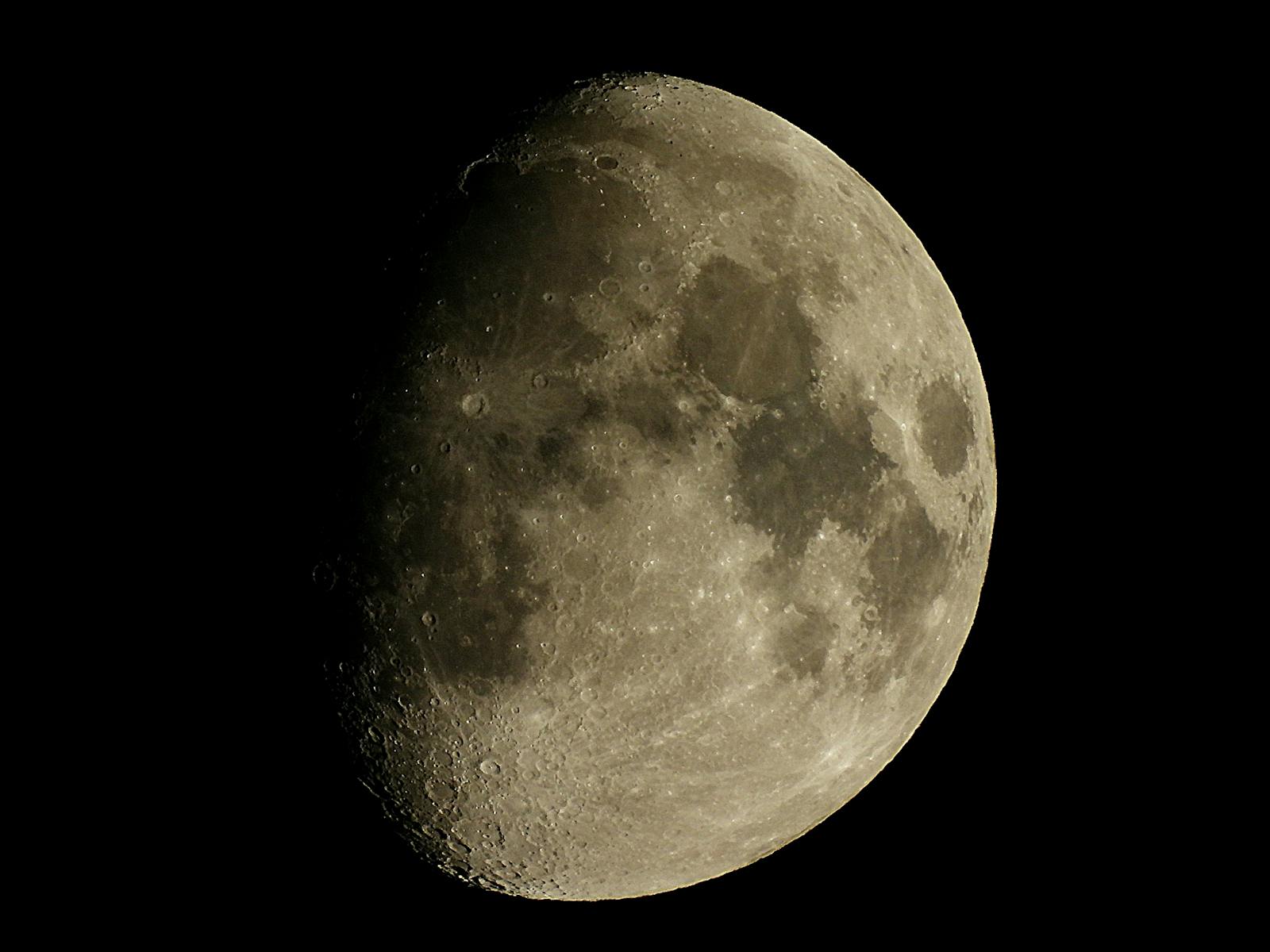
The largest impact scar on the Moon was likely gouged out by a massive asteroid that struck at a shallow angle, its iron core shearing off and carving the basin’s lopsided shape. The finding has direct consequences for NASA’s Artemis program: deep mantle material flung outward by that ancient strike should sit within reach of astronauts landing near the lunar south pole.
The South Pole–Aitken basin spans roughly 1,600 miles across the Moon’s far side and ranks among the largest known impact features in the solar system. Its tapered, egg-shaped outline has long puzzled planetary scientists, because most large craters are roughly circular. New 3D simulations point to a specific culprit: a differentiated impactor with a rocky shell wrapped around a dense iron core, slamming into the young Moon at a shallow trajectory.
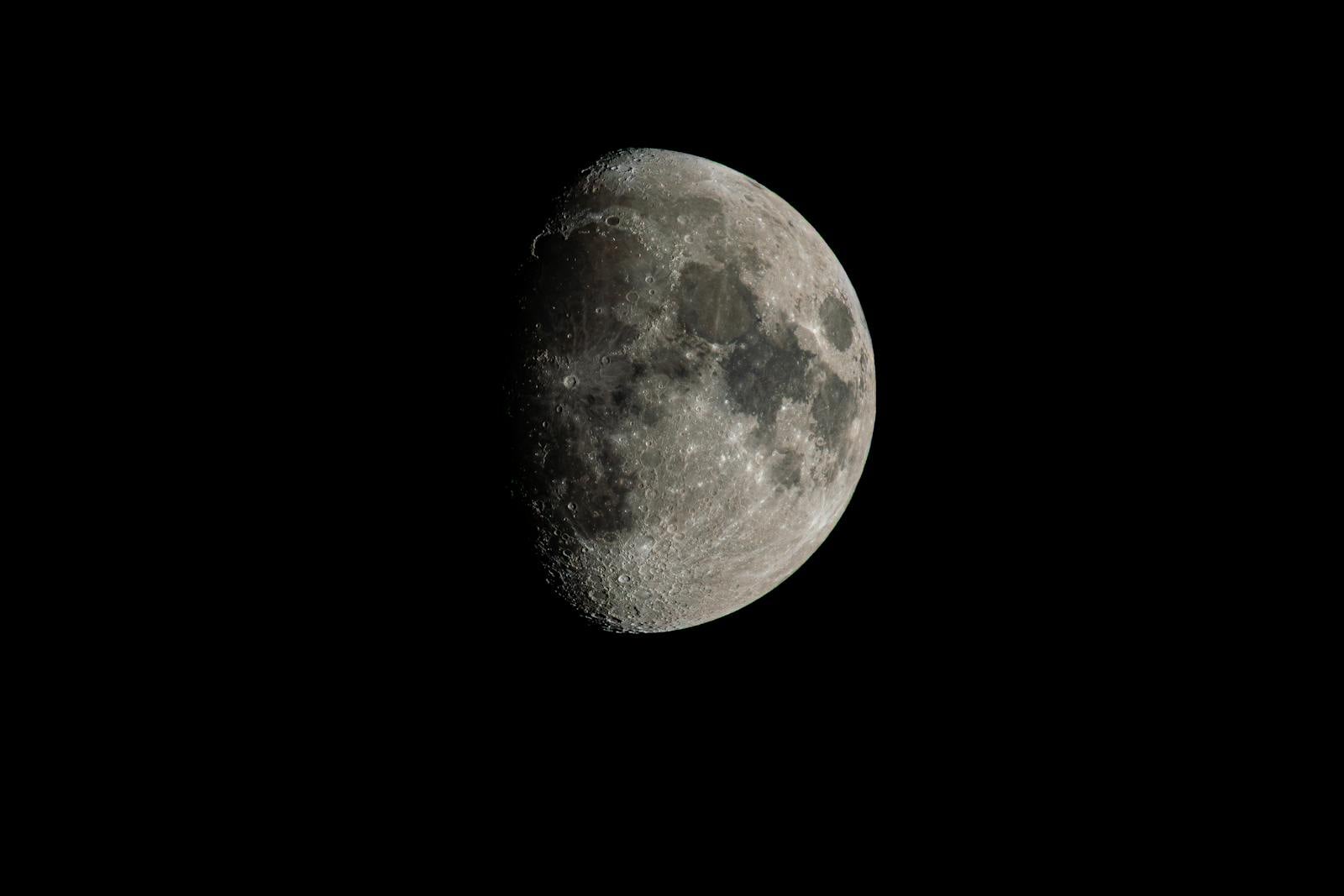
A decapitated asteroid
In the simulations, the impactor measured roughly 260 kilometers across and struck at an angle of about 30 degrees from horizontal, traveling at velocities near 13 kilometers per second. That shallow approach stripped the body apart on contact. The rocky mantle of the asteroid skimmed and fragmented across the surface, while the heavier iron core continued forward, plowing a long, narrow trench hundreds of kilometers in length before burying itself in the lunar crust. That sequence, what the researchers describe as a decapitation of the impactor, produced the asymmetric, tapered footprint that distinguishes SPA from other large basins.
The asteroid’s structure matters. Differentiated bodies, with metallic cores and silicate exteriors, behave very differently in collisions than uniform rubble piles. The mass and density of the iron core concentrate momentum into a narrow channel, which the modeling suggests is why SPA stretches into an elongated ellipse rather than punching out a symmetric bowl. By contrast, a simulated impact of an undifferentiated body of similar size produced a much more circular basin, a shape inconsistent with what we observe.
The conclusion, that the impactor’s core is responsible for the tapered shape of SPA, fits a broader pattern in planetary science, where the metallurgy of impactors is increasingly seen as decisive in shaping rocky worlds.
What the strike threw up
The simulations indicate the SPA event excavated material from depths greater than around 90 kilometers below the lunar surface, well into the mantle. Some of that ejecta, the modeling shows, was thrown southward in a directional plume aligned with the impactor’s trajectory, depositing deep-sourced material across the region that NASA has selected for its first crewed landings.
Mantle samples are scientifically valuable because they preserve information about the Moon’s bulk composition and its earliest evolution, more than 4 billion years ago. No Apollo crew sampled SPA. No robotic mission has yet returned material from it. China’s Chang’e 6 mission collected far-side samples in 2024, but a sustained sampling program of the SPA interior remains an open prize.
The modeling suggests that NASA’s Artemis III mission, which will send astronauts to the Moon, is likely to sample SPA ejecta if it lands as planned in the south polar region.
Why mantle samples matter
Lunar mantle material would help settle questions that have lingered since Apollo. The age of the SPA basin itself is uncertain by hundreds of millions of years, a gap that affects models of the Late Heavy Bombardment and the timing of the inner solar system’s most violent epoch. Dating SPA ejecta returned by astronauts would tighten that chronology.
Composition is the other prize. The Moon’s mantle is thought to differ in subtle but important ways from Earth’s, and those differences are clues to the giant impact that formed the Moon. Material from deep within the mantle would let geochemists test competing models of how the proto-Earth and the impactor Theia mixed.
There is also a practical dimension. As private companies move toward lunar resource extraction, understanding the regolith’s deep-sourced components becomes more than academic. Whatever sits at the south pole was not made there. It was thrown there, by a shallow-angle strike, a sheared iron core, and a directional ejecta plume that scattered the Moon’s interior across its southernmost terrain.
The simulations have written the science target. A 30-degree impact, an iron core driven hundreds of kilometers into the crust, and an elliptical scar stretching across the far side together explain why the south pole regolith should contain a stratigraphic record of the deep Moon found nowhere else on the surface. Water ice gets the headlines. The deep interior, scattered across the regolith by a beheaded asteroid, may turn out to be the bigger story.
Photo by Jay Brand on Pexels
