
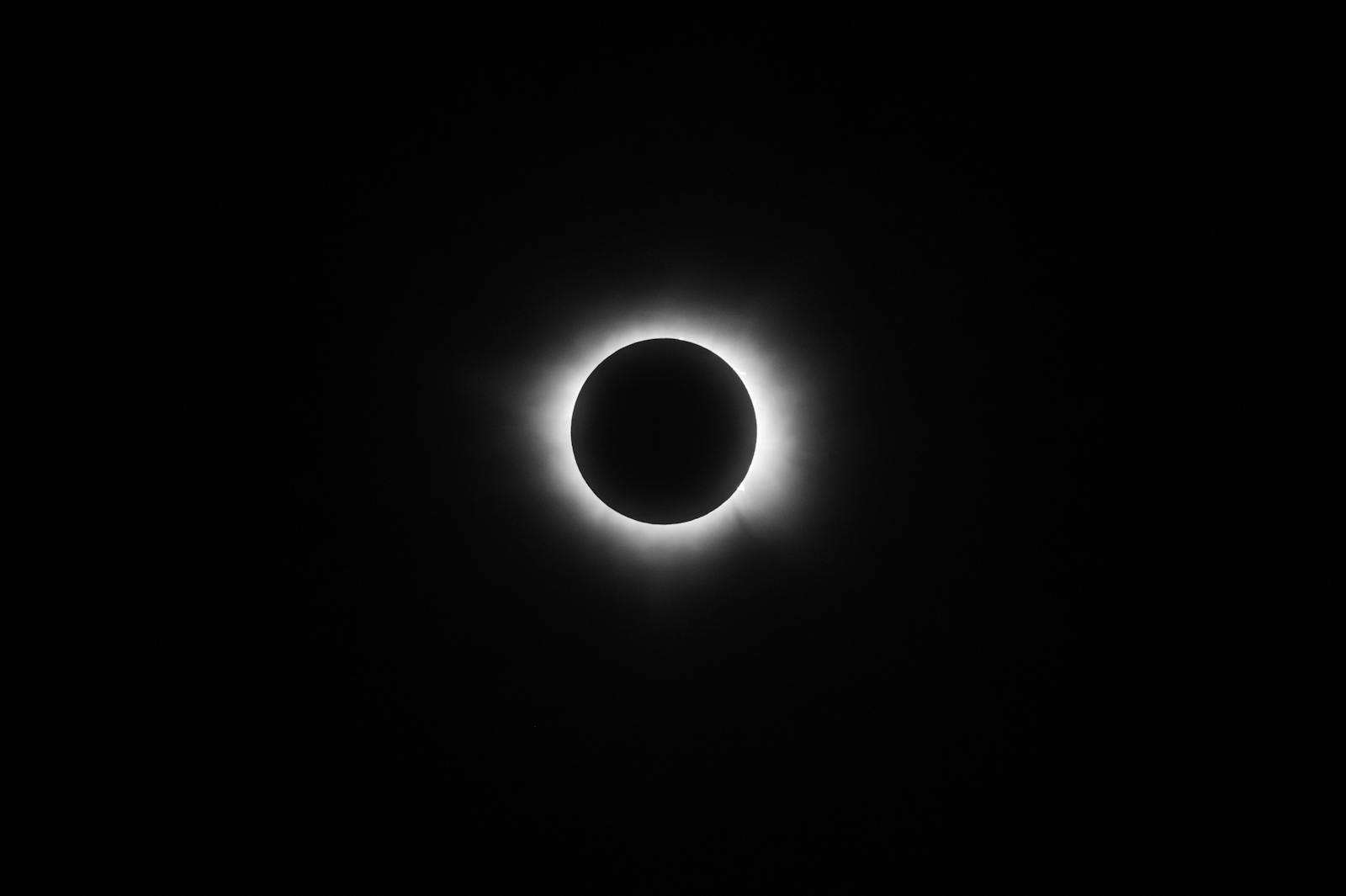
Eclipse chasers face a choice over the next two summers that has split the community: the relatively brief but accessible European eclipse of August 12, 2026, or the so-called eclipse of the century over Luxor, Egypt on August 2, 2027. Both will plunge daylight into corona-lit twilight. Only one of them will last more than six minutes.
The math favors 2027. The practical case, made by chasers who have stood under more than one umbra, favors 2026.
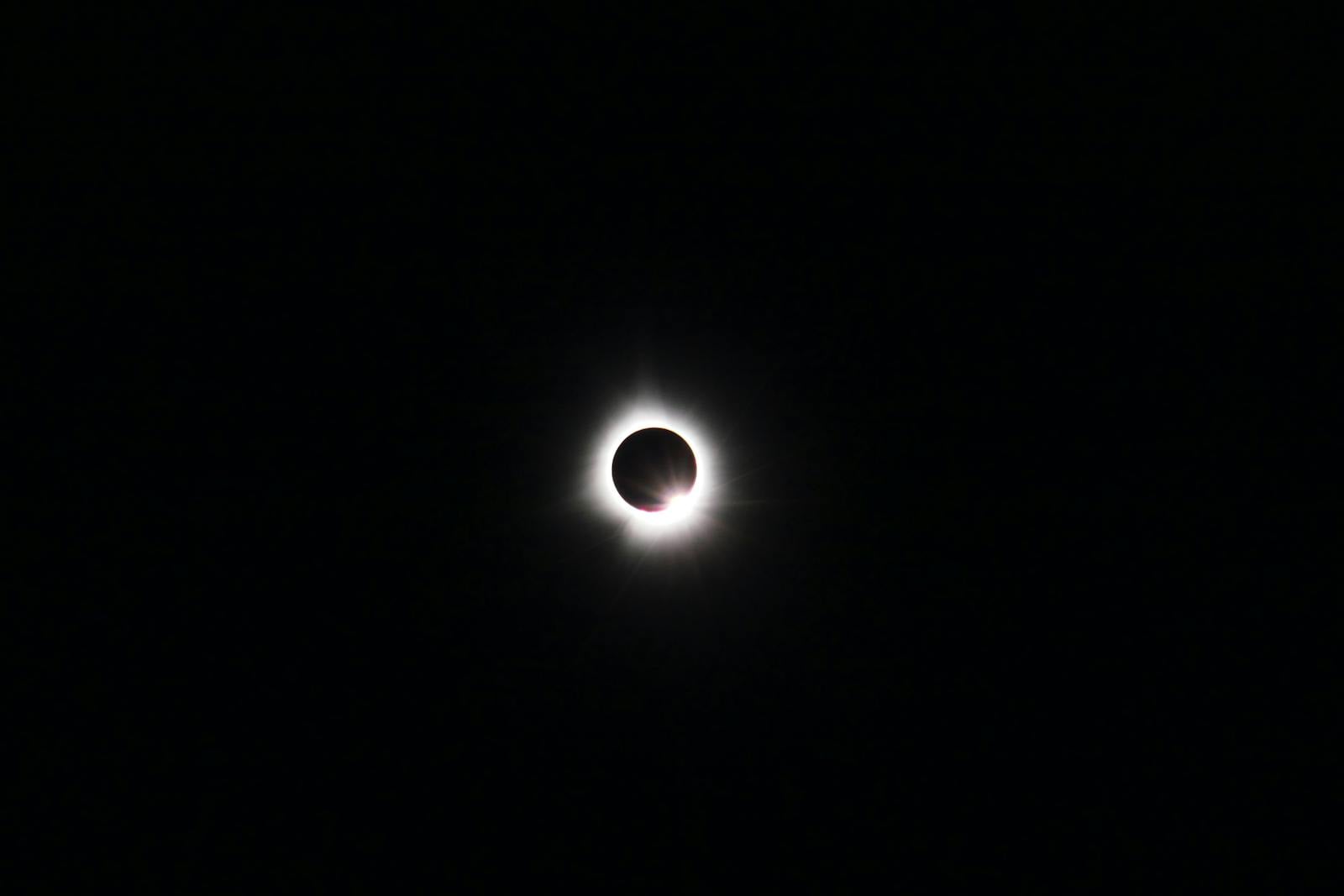
Two eclipses, two very different propositions
According to Space.com’s analysis by veteran eclipse chaser Jamie Carter, the August 12, 2026 path of totality begins in Siberia, sweeps over eastern Greenland and western Iceland, and arcs across northern Spain before fading into the Mediterranean. Maximum totality lasts just over two minutes. It is the first total solar eclipse over mainland Europe since 1999.
Less than a year later, on August 2, 2027, the moon’s shadow returns. This time it carves through southern Spain, North Africa and the Middle East. In Luxor, Egypt, totality stretches to 6 minutes and 22 seconds. That makes it the longest inland totality since July 11, 1991, and the longest the planet will see until August 3, 2114.
Three times the duration. Roughly nine decades until anything comparable comes again. On paper, the choice writes itself. In practice, duration is the wrong metric to optimize — and the bookings stampede toward Luxor is a mistake.
Why duration is a misleading metric
The deeper argument in Carter’s piece pushes back against the obsession with seconds. According to Carter, the focus should be on experiencing totality rather than maximizing its length. The fact that the sun and moon appear nearly identical in size from Earth is a coincidence of geometry, not a guarantee. When the alignment holds, the result is the same regardless of duration: daytime collapses into night.
Experienced eclipse chasers sometimes deliberately position themselves at the edge of the path of totality, where the event lasts mere seconds but produces sharper, more sudden contrasts. Shorter eclipses can feel more dramatic, not less. The difference between 99% coverage and 100% is not incremental — it is categorical. Whether observers stand under the umbra for 120 seconds or 380 seconds, they cross the same threshold into a phenomenon partial-eclipse viewers never witness.
There is also a cautionary precedent. Many chasers skipped the brief 2019 South American eclipse in favor of a slightly longer one in 2020 over nearly the same region. COVID-19 lockdowns and severe rainstorms wiped out the second event for most travelers. Those who waited got nothing.
The 2026 case: accessibility and a sunset spectacle
For anyone already in Europe, 2026 is a logistical layup. The path of totality cuts across Reykjavik and Spanish cities including Bilbao, Zaragoza, León, Burgos and Valladolid. It sits within a day’s drive of Paris, Geneva and Turin. Spain receives millions of visitors each August, meaning a large share of potential eclipse-watchers will already be in-country.
The visual payoff is unusual. In Spain, the sun will be low in the sky during totality, producing the relatively rare phenomenon of a totally eclipsed sun setting over land. The effect peaks in the Balearic Islands. Outside Magazine’s eclipse guide identifies Iceland and Spain as the top destinations for adventure-minded eclipse travelers, with the path arcing through Greenland, western Iceland and northern Spain.
The risks are real. Congestion in Iceland and northern Spain is expected to be severe. Clear skies are not guaranteed. Spanish wildfires have historically produced heavy smoke during summer months, which could degrade visibility. And two minutes goes fast. But none of those risks scale with the logistical wall standing in front of Luxor.
The 2027 case, and why it falls short for most travelers
The 2027 path runs from southern Spain through Tunisia, Libya and Egypt, with the longest totalities in North Africa. Luxor has become the focal point because of its combination of duration, statistically reliable cloudless skies, and the ancient backdrop of Karnak Temple and the Valley of the Kings.
The complications scale with the spectacle. Average daytime highs in Luxor in August hit 105°F (41°C). Dust storms are a bigger threat than clouds. Organized tours to Luxor have already become prohibitively expensive and difficult to book. For most travelers chasing the duration record, the price of those extra four minutes is a trip that costs several times more and carries several times the risk of going sideways.
For travelers unwilling to commit to Egypt, southern Spain offers a compromise on the 2027 path — totality near the Strait of Gibraltar exceeds four minutes with the sun high in the sky. But once Spain is the destination either way, the question becomes why wait an extra year for a marginally longer event.
The chaser’s calculus
Tyler Nordgren, an astronomer and eclipse artist at the Space Art Travel Bureau, recommends picking someplace in the path of totality you’d like to visit regardless of whether the eclipse would be happening.
That framing favors 2026. Iceland in August, with its almost-midnight sun, is a destination in its own right. So is touring Spanish castles or watching the corona burn over the Balearics. Egypt in August, by contrast, is a place most travelers would otherwise avoid — the heat alone pushes the trip from vacation into endurance event.
The 2024 North American eclipse, which sent NASA WB-57 jets chasing totality at 50,000 feet to study the corona, demonstrated how much public appetite has grown for these events. Hotels in the path of totality sold out months in advance. The same pattern is already repeating for 2026 and 2027 — and the Luxor bottleneck is already worse than anything 2024 produced in Texas or Mazatlán.
The recommendation
Book 2026. The European eclipse delivers the same categorical experience as Luxor — the umbra is the umbra — at a fraction of the cost, with denser infrastructure, more flexible logistics, and a sunset geometry over the Balearics that will not repeat for generations. The two-minute duration is not a compromise. It is enough.
Luxor is the right call only for the small subset of travelers who can absorb the heat, the cost, and the booking chaos, and who would genuinely want to be in Upper Egypt in August even without an eclipse overhead. For everyone else, chasing the duration record is paying a heavy premium for seconds that do not transform the experience.
The worst choice is waiting. Eclipse chasers learned from the 2019-2020 cycle what happens when plans fall through: those who held out for the longer event got nothing. Pick 2026, book now, and treat 2027 as a bonus if it happens — not the headline event everyone is currently scrambling to make it.
Photo by Israel Torres on Pexels
