
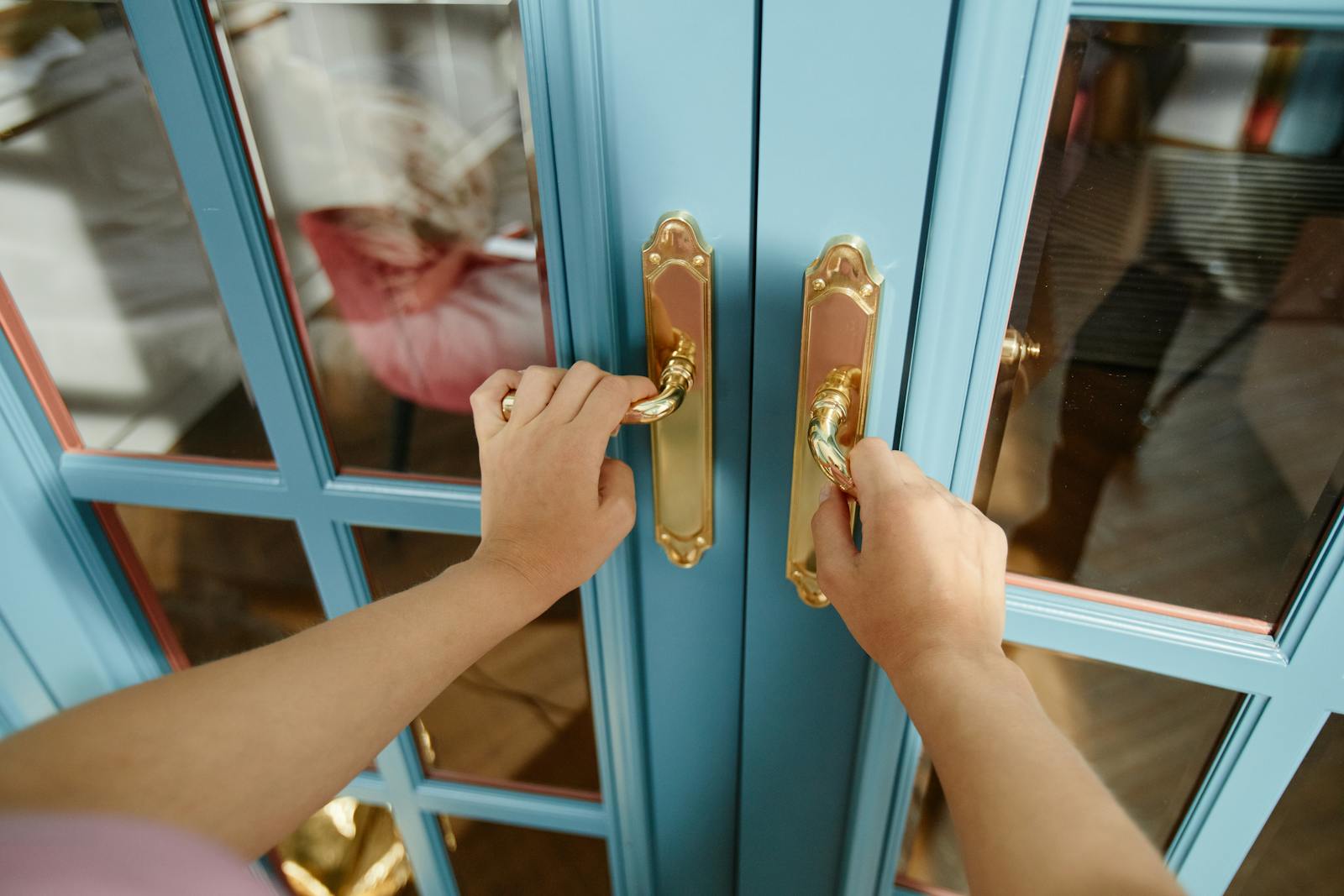
The person eases the TV down one click before anyone complains. They turn it from fourteen to thirteen, sometimes from eleven to ten, and they do it without thinking, the way other people scratch an itch. Watch long enough and you will see the same person close a door with two hands, or apologize when a stranger walks into them in a grocery aisle.
For a long time, the assumption around these adults was that they were simply built that way: introverts, shy types, low-energy personalities who preferred the background. That framing can be too simple. Sometimes what gets read as timidity is actually a learned habit of caution, refined over years in homes where being heard, literally heard, seemed to bring consequences.
The acoustic shape of a careful childhood
Sound is one of the earliest ways a child learns the rhythm of a household. Long before a kid can explain what is happening, the ear is mapping which volumes precede which moods. A laugh that gets too loud and then gets corrected. A footstep on the stairs that signals which parent is home. A door closing hard enough to mean something.
In a calm home, sound is just sound. A dropped spoon is a dropped spoon. A loud laugh is a loud laugh. A door closes, and the day continues. In a more volatile home, sound can start to feel loaded. A child may learn that the safest move is to lower the volume before anyone asks, move gently before anyone complains, and apologize before anyone decides they were being inconsiderate.
The lesson does not have to arrive as one dramatic moment. It can arrive as a hundred small corrections. Not so loud. Stop stomping. Why did you slam that? Do you have to make so much noise? Over time, the child stops waiting for the correction and starts making the correction internally.
Closing doors softly can become a remembered routine
Watch how an adult closes a door, especially when they think nobody is paying attention. Some people pull it shut and let the latch click without thought. Others rotate the knob, ease the door into the frame, then release the knob slowly so the latch makes almost no sound.
The second behavior is not necessarily fastidiousness. It can be an old safety routine. In some households, a door closing too loudly was treated as an act of aggression, an editorial comment, a sign of attitude. A child accused of slamming a door learns to close every door as if a sleeping tyrant lives behind it.
Volume stops being volume. It becomes a moral category. Loud means inconsiderate. Loud means selfish. Loud means someone may be about to tell you what kind of person you are.
This is one of the more poignant signatures of the pattern, because it can persist in environments where it is no longer needed. The roommate is not angry. The partner is reading. There is nobody to disturb. The hands move carefully anyway.
By the time that child is thirty-five, they may not consciously connect any of this to the room they grew up in. They simply prefer the TV at volume eleven instead of fourteen. They notice that fifteen feels aggressive. They cannot quite say why. The unprompted apology runs on a similar instinct: sorry to the person who bumped into them, sorry to the waiter who brought the wrong order, sorry for needing one more second to gather their things. Apologizing first keeps the air smooth. It closes the loop before anyone can turn it into conflict.
The cost paid in self-advocacy
The trouble with this kind of training is that it rarely stays in the acoustic register. People who learned to take up minimal audible space can start taking up minimal space across the board. They hesitate to ask for raises. They eat the wrong meal at the restaurant rather than flag down the server. They let rushed appointments, bad service, awkward friendships, and one-sided relationships pass without objection.
The internal calculation is often quiet and fast: the cost of speaking up might be high, the cost of staying small is bearable, so stay small.
The math may have made sense once. It does not always make sense anymore. But the math runs anyway.
How this connects to other quiet patterns
The volume-down adult often carries several related habits. They may be able to sit through long silences without filling them, because silence once felt like the safest register available. They may insist they do not need much, because needing too much once seemed to irritate people. They may be excellent guests, easy partners, low-maintenance friends, and unusually careful colleagues.
These are not separate quirks. They can be facets of the same posture. The person learned, early, that the cheapest way through life was to occupy as little perceptual real estate as possible: auditory, emotional, logistical. Each habit reinforces the others until the whole personality reads as gentle, undemanding, easy to have around.
And it may be gentle. It may also be costly.
The volume knob as a hedge
The volume habit is especially revealing because it is so small. Nobody is making a speech about themselves when they lower the TV from fourteen to thirteen. That is why the gesture can be so easy to miss.
But small gestures often carry the cleanest evidence. A person who repeatedly learned that their normal speaking voice was too loud, their music was bothering everyone, or their footsteps were inconsiderate may eventually stop trying to find the “right” level. They may simply default to one notch below whatever feels natural and hope that is acceptable.
That hedge can become permanent. Not because the person is weak. Not because they are naturally timid. Because, somewhere along the way, ordinary volume started to feel like a risk.
The tell of the guest
One reliable place to notice this pattern is in the way someone behaves as a guest in another person’s home. The volume-down adult may eat smaller portions than they want, use the bathroom less often than they need to, refuse second offers of anything, and leave the guest room exactly as they found it down to the angle of the pillow.
None of this is bad behavior. Hosts often love these guests. The point is that the same person who will not adjust the thermostat in a friend’s house may also struggle to ask for what they need in their own marriage. The same person who will not ask for a second helping may find it hard to ask for a promotion. The acoustic training generalizes.
They may be excellent at regulating themselves and much less comfortable receiving support, taking up room, or letting someone else be mildly inconvenienced on their behalf.
What changes, and what doesn’t
The honest part of this picture is that the underlying monitoring may never disappear completely. People who grew up paying attention to acoustic space often keep paying attention to it. They still know who is walking down the hall. They still know when a room’s mood has shifted. They still notice the difference between a normal click and a hard one.
What can change is the meaning they assign to that monitoring.
The shift, when it happens, usually goes like this: the person stops believing that their preference for lower volume is a moral fact about themselves and starts seeing it as old equipment. They keep closing doors softly because they like closing doors softly. They stop apologizing when other people bump into them, because they notice, finally, that other people do not apologize back.
The point is not to become louder for the sake of it. It is to distinguish between situations that genuinely call for restraint and situations where restraint is just an old reflex firing into empty air.
The quieter point
Calling these adults timid misses what they actually are, which is highly practiced. They often have a finely tuned sense of other people’s moods, a sharp read on a room, and an ability to move through the world without leaving marks on it. These can be real talents. They may also have been learned at a price.
The story is not that they need to become loud. The story is that the cost they were taught to pay for being audible may never have been theirs to pay. Somebody else decided their volume was a problem and made them carry it.
The relevant question for the adult is not whether to keep the TV at eleven. It is whether they still believe, somewhere underneath, that twelve would ruin somebody’s evening. Most of the time, twelve would not. Most of the time, the room they grew up in is no longer the room they live in.
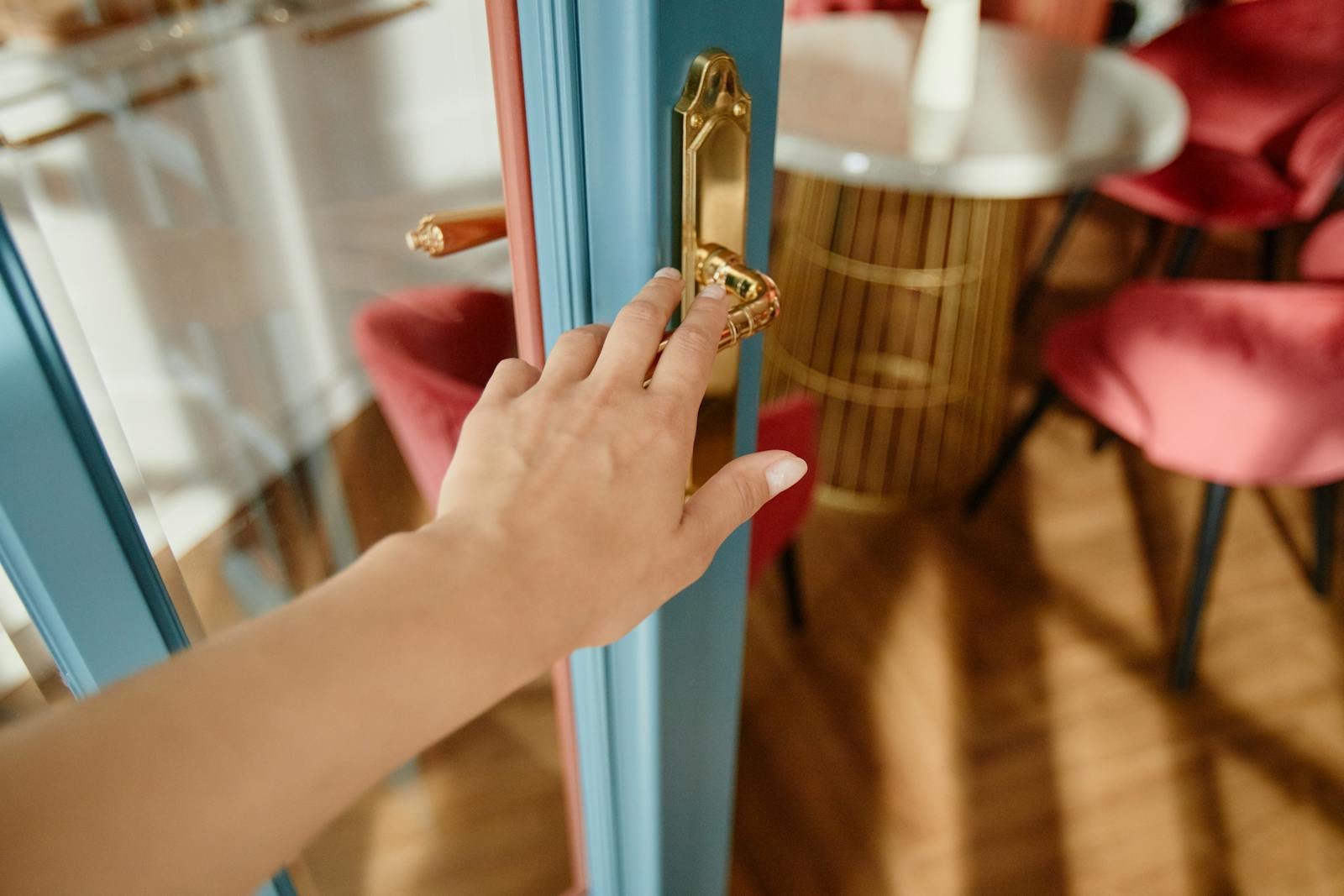
The volume can come up. The apology can stay in the throat when somebody else is the one who walked into you. The door can close with a normal click. None of this is loud. It is just accurate.

And accurate is what many of these adults were rarely allowed to be.
Photo by Marcus Aurelius on Pexels
