
The half-full gas tank is rarely just about the gas tank. For some adults, it is a quiet rule they never remember choosing. The needle drops toward the middle, something in them tightens, and the next errand suddenly includes a stop they did not technically need to make.
From the outside, it can look excessive. The car still has miles left. The pantry is already full. The cash in the drawer is not earning interest. But inside the habit is a story about what running out once meant in that household, even if nobody ever explained it that way.
Some people grow up with abundance. Others grow up around adults who watched every bill, stretched every meal, waited for payday, or kept quiet about how close things really were. Children notice more than adults think they do. They notice the pause before a card is swiped. They notice the cupboard being checked twice. They notice the change in the room when the car is low on fuel and there is not much money left.
Years later, those children can become adults who do not like letting things get close to empty.
The habit looks practical because it is practical
There is nothing inherently unreasonable about keeping gas in the car, food in the house, and a small amount of cash nearby. These are ordinary forms of preparedness. A storm knocks out power. A card reader stops working. A late-night drive goes longer than planned. A bill arrives earlier than expected.
The difference is in the feeling attached to the habit. Some people refill the tank because it is convenient. Others do it because seeing the gauge fall too low makes them uneasy in a way they cannot quite explain.
They may call it common sense. They may say they just like being prepared. They may laugh it off as something their mother or grandfather always did. But the body often remembers the atmosphere of a home before the mind can put words around it. If running out once meant panic, shame, conflict, or helplessness, staying stocked can become a way of keeping that old feeling away.
The gas tank becomes a private weather report
For the adult who always fills up early, the gas tank is not only measuring fuel. It is measuring margin.
A full tank means options. It means being able to leave if something happens. It means not having to calculate whether there is enough to get there and back. It means nobody has to sit on the side of the road waiting for help, embarrassed and exposed.
People who grew up around thin margins often become very sensitive to them. A quarter tank may be perfectly fine on paper. But if the person learned early that “probably enough” can turn into “not enough” very quickly, they may prefer never to run the experiment.
That does not make the habit dramatic. It makes it a small insurance policy against a feeling they would rather not meet again.
The pantry tells a family story
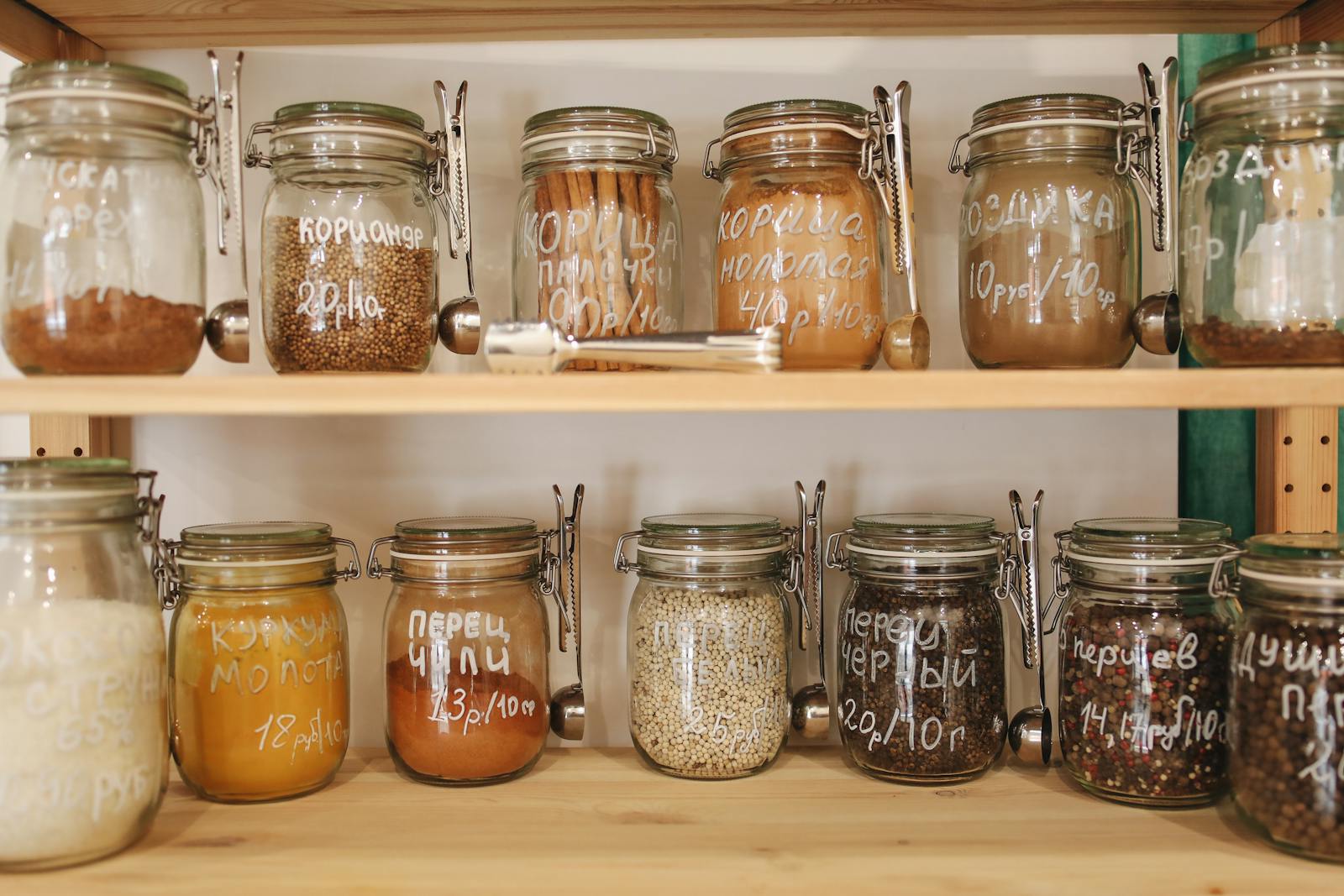
Pantries can be surprisingly autobiographical. A person who lives alone may still buy rice in large bags, keep several jars of sauce, replace cans before they are finished, and feel better when the shelves look slightly overprepared.
Sometimes there is a clear family story behind it. A parent lost work. A divorce changed everything. A medical bill swallowed the savings. A grandparent lived through rationing, migration, a currency collapse, or a period when food was never guaranteed. Sometimes the story is less dramatic but still powerful: a childhood of hearing “not this week,” “after payday,” or “we have food at home” in a tone that made it clear there was no room for argument.
A stocked pantry can become the adult version of a promise made silently: this house will not feel like that one did.
That is why the habit can persist even when life improves. The person may now have a stable income, a working car, a good neighborhood supermarket, and delivery apps on their phone. Still, an empty cupboard can feel louder than it should. A bare shelf can bring back an old kind of exposure.
So they buy another bag of rice. Another box of pasta. Another tin of tomatoes. Not because they plan to use all of it soon, but because looking at it gives them a feeling of ground under their feet.
The cash in the drawer is not really about money
The hidden cash habit is especially revealing because the amount is usually small. It may be twenty dollars in an envelope, fifty folded into a book, or a few notes tucked behind documents nobody opens. It is rarely enough to change anyone’s financial life.
But it can change how a person feels inside their life.
Cash has a different emotional weight from money in an account. It is visible. It is reachable. It does not depend on an app, a bank, a password, a card terminal, or a phone battery. For people who grew up around adults who feared being stuck, cash can feel like a tiny door left unlocked.
The point is not that disaster is likely. The point is that helplessness feels less likely when there is something tangible within reach.
Children learn the rules nobody says out loud
Many families never sit children down and say, “We are scared of running out.” They say other things instead. Turn off the lights. Do not waste food. Fill up before the tank gets low. Keep some cash just in case. Buy two when it is on sale. Never assume things will be fine.
On the surface, these are practical instructions. Underneath, they can carry a mood. Children absorb both.
They learn whether adults become tense when bills arrive. They learn whether a low fridge means inconvenience or danger. They learn whether asking for something creates guilt. They learn whether money is discussed calmly or only in whispers, arguments, and sudden silences.
By adulthood, the original circumstances may be gone, but the household rules remain. The adult may not remember being taught them. They simply feel wrong when they do not follow them.
In some families, preparedness is love
It is easy to mock overstocked cupboards and emergency cash as excessive. But in many families, these habits were expressions of care. A parent who had known scarcity might not have been emotionally expressive, but they made sure there was food. A grandparent who had been stranded once might not have explained the story, but they insisted the tank stay full. Someone who had learned not to trust institutions might have kept cash because cash had once been the thing that got them home.
The habit was not always fear. Sometimes it was love translated into inventory.
That is especially true in families shaped by migration, poverty, displacement, or sudden loss. Putting things aside can become a shared language. Food in the cupboard says, “You will eat.” Cash in the drawer says, “You will not be trapped.” Fuel in the car says, “You can move if you need to.”
From outside the family, the behavior may look tense. From inside it, it may look responsible, respectful, even moral.
The problem begins when the habit starts running the house
Most of these rituals are harmless. A modest pantry is useful. A little cash can be sensible. A car that never runs close to empty is not a crisis. The line changes when preparedness stops serving the person and starts managing them.
A pantry that quietly expands into every spare cupboard may no longer be about readiness. Cash hidden in so many places that it gets lost may no longer be about safety. A person who cannot enjoy a trip because they are watching the fuel gauge too closely may not be feeling prepared so much as trapped by the rule.
That is the point where the question becomes useful: is this habit helping life feel steadier, or is it keeping an old fear in charge?
The answer does not have to be dramatic. No one needs to empty the pantry overnight or drive around on fumes to prove they are free. Sometimes the shift is simply noticing the story underneath the ritual.
The most useful change is adding words
Families often pass down habits without passing down explanations. That silence can make ordinary behaviors feel like personality traits, as if someone was simply born cautious, frugal, guarded, or overprepared.
But a habit becomes easier to hold lightly once it has a story attached.
“My parents went through a period when money was tight, so I like keeping food in the house.”
“My grandfather always kept cash because he did not trust banks after what happened to him.”
“I refill the tank early because being stranded was a real fear in my family.”
Those sentences do not shame the habit. They soften it. They turn an unspoken rule into something conscious. And once a person can see the rule, they can decide whether it still fits the life they are actually living.
The habits deserve compassion, not ridicule
The half-full tank, the stocked pantry, and the cash in the drawer are not always signs that someone is afraid of life. Often, they are signs that someone learned to respect how quickly comfort can disappear.
There is dignity in that. There is also a cost if the old lesson never gets updated.
The healthiest version may not be abandoning the rituals. It may be keeping the useful parts while loosening the fear around them. The pantry can stay stocked. The tank can stay above half. The cash can stay in the drawer. But the person performing those rituals can begin to know why they matter.
That awareness changes the inheritance. The next generation may still learn to be prepared, but they do not have to inherit the silence. They can learn the story, not just the rule. They can understand that keeping enough on hand is wise, but running low is not the same as being unsafe.
Sometimes that is the real shift. Not empty shelves. Not a near-empty tank. Not proving anything to anyone. Just an adult looking at an old family habit with tenderness and saying: this helped someone survive, but it does not have to run everything anymore.
Photo by Polina Tankilevitch on Pexels
