
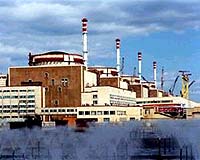
A nuclear catastrophe could happen in Russia “at any moment” because of poor safety at atomic installations, Greenpeace said Wednesday on the eve of the 16th anniversary of the Chernobyl disaster in Ukraine.
“The risk of a new Chernobyl is very real,” a Russian representative of the British-based environmentalist group, Maxim Shingarkin, told a press conference.
Another campaigner from Russia’s Green Cross organisation, Vladimir Kuznetsov called for the closure of all RBMK reactors, of the same type as Chernobyl, which he said had suffered “more and more defects in the past three years.”
Three nuclear power stations are equipped with reactors of this type, which began operating between 1974 and 1989: Smolensk (three reactors) and Kursk (four reactors) in the west of Russia and Leningrad (four reactors) in the northwest.
On April 26, 1986, the fourth reactor at the Chernobyl nuclear power station in Ukraine blew up in the world’s worst civil nuclear accident, spewing out a radioactive cloud which spread over much of Europe.
Meanwhile the glitch-plagued Czech nuclear plant restarted Wednesday, after a two-month shutdown to fix the latest technical problems, a spokesman said.
The Soviet-built Temelin plant, which has triggered fierce protests notably in neighbouring Austria since it first fueled up in October 2000, was shut down on February 24 in theory for about a month.
Spokesman Milan Nebesar said the sole working reactor at the plant was started up again and would undergo tests in coming days as it is powered up to 100 percent capacity again.
Temelin is barely 60 kilometres (35 miles) from the border with Austria, which voted against nuclear power in a 1978 referendum.
Despite being upgraded with security systems by US giant Westinghouse, the plant’s entry into commercial operation has been delayed by repeated technical and political problems.
Austria has demanded extra security and environmental guarantees before the plant comes fully on stream and Berlin has also attacked the plant.
