
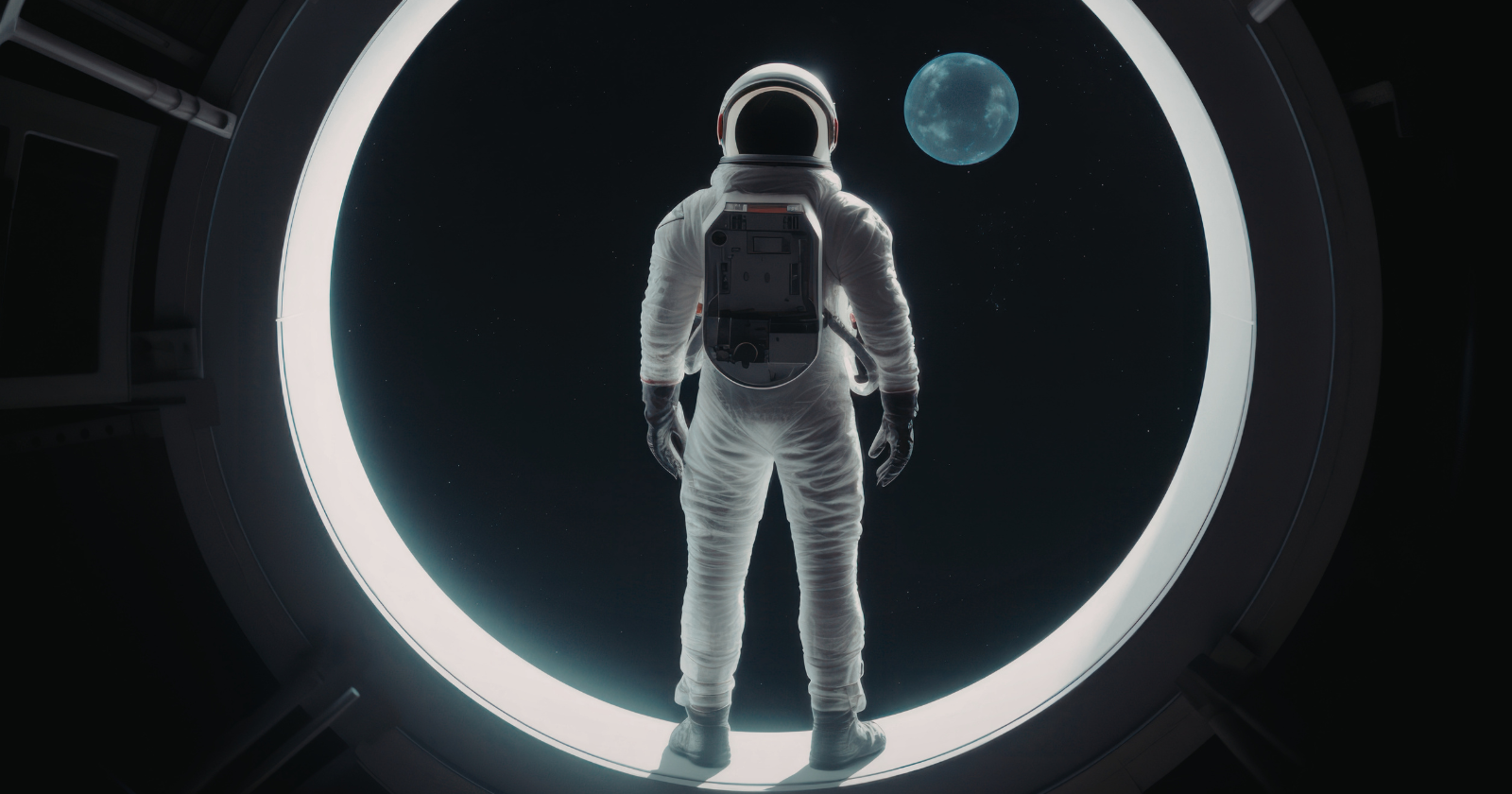
On 10 April 2026, four astronauts splashed down in the Pacific Ocean off the coast of San Diego, completing a nearly ten-day flight that had taken them 252,756 miles (about 406,771 kilometres) from Earth at their farthest point. That figure beats the Apollo 13 record of 248,655 miles set in 1970 and makes them, for the moment, the four people who have travelled farther from this planet than anyone in human history.
The crew, NASA’s Reid Wiseman, Victor Glover, and Christina Koch, and the Canadian Space Agency’s Jeremy Hansen, flew Artemis II, the first crewed flight of NASA’s deep-space programme since Apollo 17 in 1972.
They have spent the weeks since splashdown giving interviews. What is notable, on examination, is how little of what they have said is about space.
What they keep saying
Reid Wiseman, the mission commander, has spoken repeatedly about loved ones. In post-mission interviews he has framed the risk of the mission as a reminder to spend time with loved ones and leave nothing unsaid. His specific suggestion to people on the ground: call old friends, walk in nature, watch a bird fly.
Christina Koch, offered a piece of advice on teamwork. “chose each other day after day, even the days that we wanted to maybe be somewhere else.”
Victor Glover, the mission pilot, has framed the experience of going around the Moon as too much for any one person to hold: “the gratitude of seeing what we saw, doing what we did, and being with who I was with, it’s too big to just be in one body.”
Jeremy Hansen, the first Canadian to fly beyond low Earth orbit, has talked about failure; “in our culture, we will not stop when we meet failure,” he said. “We will just keep creating a solution.”
None of these are just space lessons.
What the mission actually did
The technical record matters, and it is worth stating plainly. Artemis II launched on NASA’s Space Launch System rocket from Launch Pad 39B at Kennedy Space Center on 1 April 2026, sending four humans toward the Moon for the first time in over half a century. The crew flew a free-return trajectory, looping around the far side of the Moon without entering lunar orbit, and returned to Earth without a lunar landing. Their farthest point from Earth was reached on the back side of the lunar pass.
Why the advice fits the story
In our reading of the coverage, the consistency of the four crew members on what they have wanted to say at the press conferences is the unusual thing. They are not, in any of these interviews, doing the inspirational speech about space exploration.
The pattern is intuitive once it is named. People who have done a thing that was genuinely hard, with stakes that were real, are unusually reluctant to wrap it in slogans. The four people who have just travelled farther from Earth than any humans alive have collectively returned to the ground with advice about calling old friends, nature and failure.
What’s next
NASA’s stated next milestone in the Artemis programme is Artemis III, the first crewed lunar surface landing of the modern era, currently targeted for 2027.
Whether that schedule holds is the question that will probably dominate the next twelve months of NASA’s deep-space coverage.
