
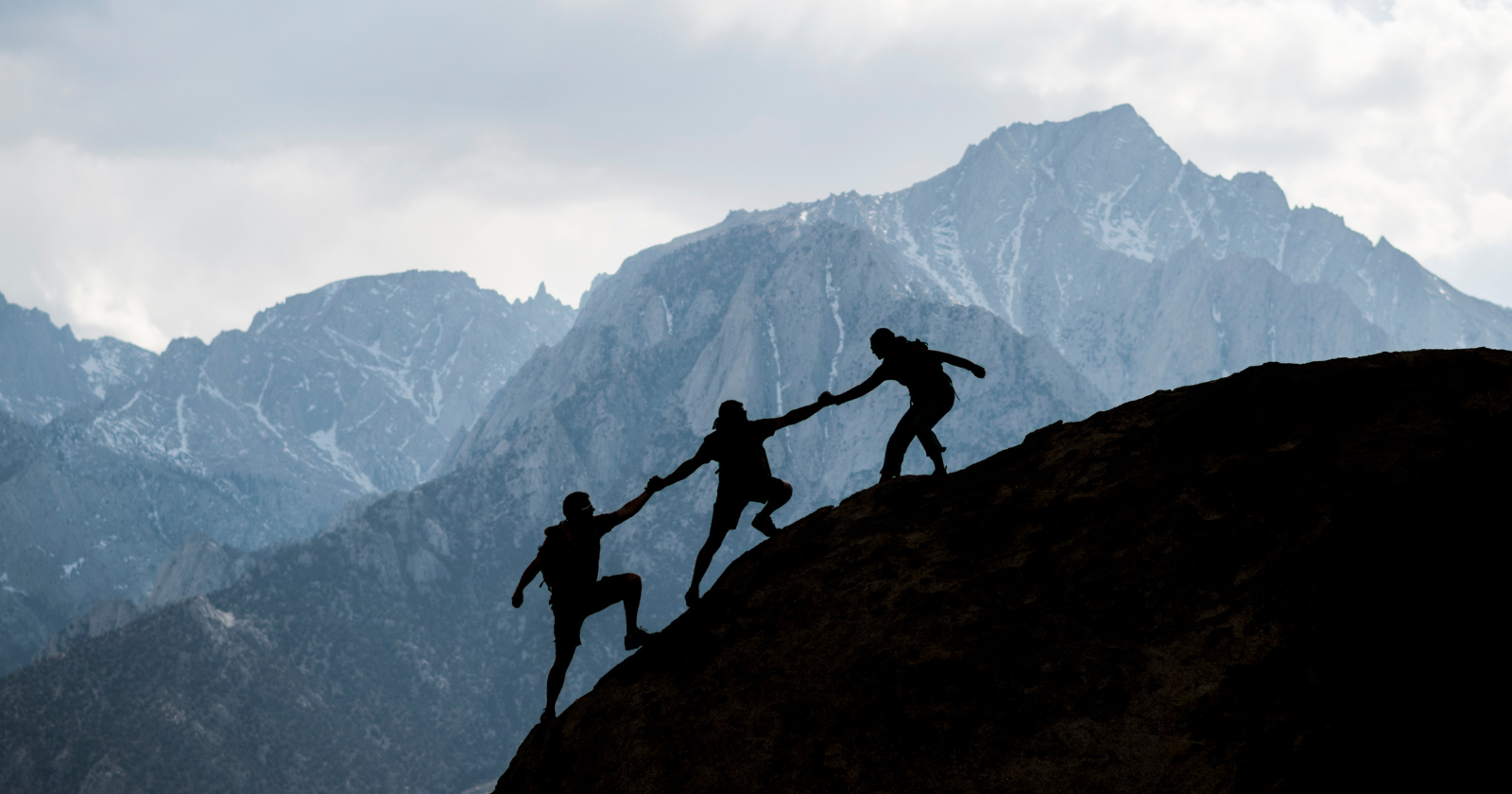
Many of us assume warmth comes first. You like someone, so you help them. The kindness follows the affection, in that order. The Benjamin Franklin effect runs the sequence backwards: do someone a favour, and you may come to like them more, not less. The act appears to generate the feeling rather than the other way around.
A note before going further. We are writers and editors reading the research here, not psychologists or therapists. What follows is reflection on a documented pattern, and the studies behind it describe tendencies across groups of people, not rules that will hold for you and a specific person in your life.
The pattern is named for an anecdote in the Autobiography of Benjamin Franklin. Franklin had been chosen clerk of the Pennsylvania General Assembly in 1736 and, the year following, found himself contending with a hostile fellow legislator. Rather than flatter the man, he asked him for something. Franklin wrote that “Having heard that he had in his library a certain very scarce and curious book, I wrote a note to him, expressing my desire of perusing that book.”
The rival lent it. When the book came back, the relationship had shifted. Franklin recorded that “When we next met in the House, he spoke to me (which he had never done before), and with great civility.” From that small loan grew, by Franklin’s telling, a lasting friendship.
Franklin drew an old maxim from the episode, quoting it as received wisdom rather than a law he had discovered: “He that has once done you a kindness will be more ready to do you another than he whom you yourself have obliged.” He offered it as an observation rather than a proof.
Psychologists Jon Jecker and David Landy gave the maxim its scientific footing in a 1969 study titled Liking a Person as a Function of Doing Him a Favour. They ran volunteers through a contest with cash prizes, then split the winners into three groups.
One group was approached directly by the researcher, who explained he had used his own funds and asked, as a personal favour, for the money back. A second group was asked to return it by a secretary acting on the department’s behalf. A third kept the winnings. When the volunteers later rated how much they liked the researcher, the group he had asked directly rated him highest. The group approached through an intermediary rated him lowest.
The authors stated their finding with a built-in hedge worth preserving. As they put it, “Under certain circumstances, when an individual performs a favor for another person, his liking for that person will increase.” The phrasing matters. The detail about the intermediary points to one of those circumstances: the request seems to need to come from the person who benefits.
Why would doing a favour warm us toward the person who asked? The most common account leans on cognitive dissonance, the discomfort of holding a belief and a behaviour that don’t square. If you dislike someone yet go out of your way to help them, the two facts grate against each other. The cheaper fix is often to revise the belief: you must not have disliked them that much after all.
A second account comes from Daryl Bem’s self-perception theory, which holds that when our feelings are faint or unclear, we read them off our own actions, much as a stranger watching us would. Having lent the book, a person looks at what they did and infers the attitude behind it: I helped them, so I suppose I like them. The mechanism is different, but the arithmetic is the same.
If any of this has you reconsidering a strained relationship and it weighs on you, a qualified counsellor or therapist is a better sounding board than a psychology study.
