

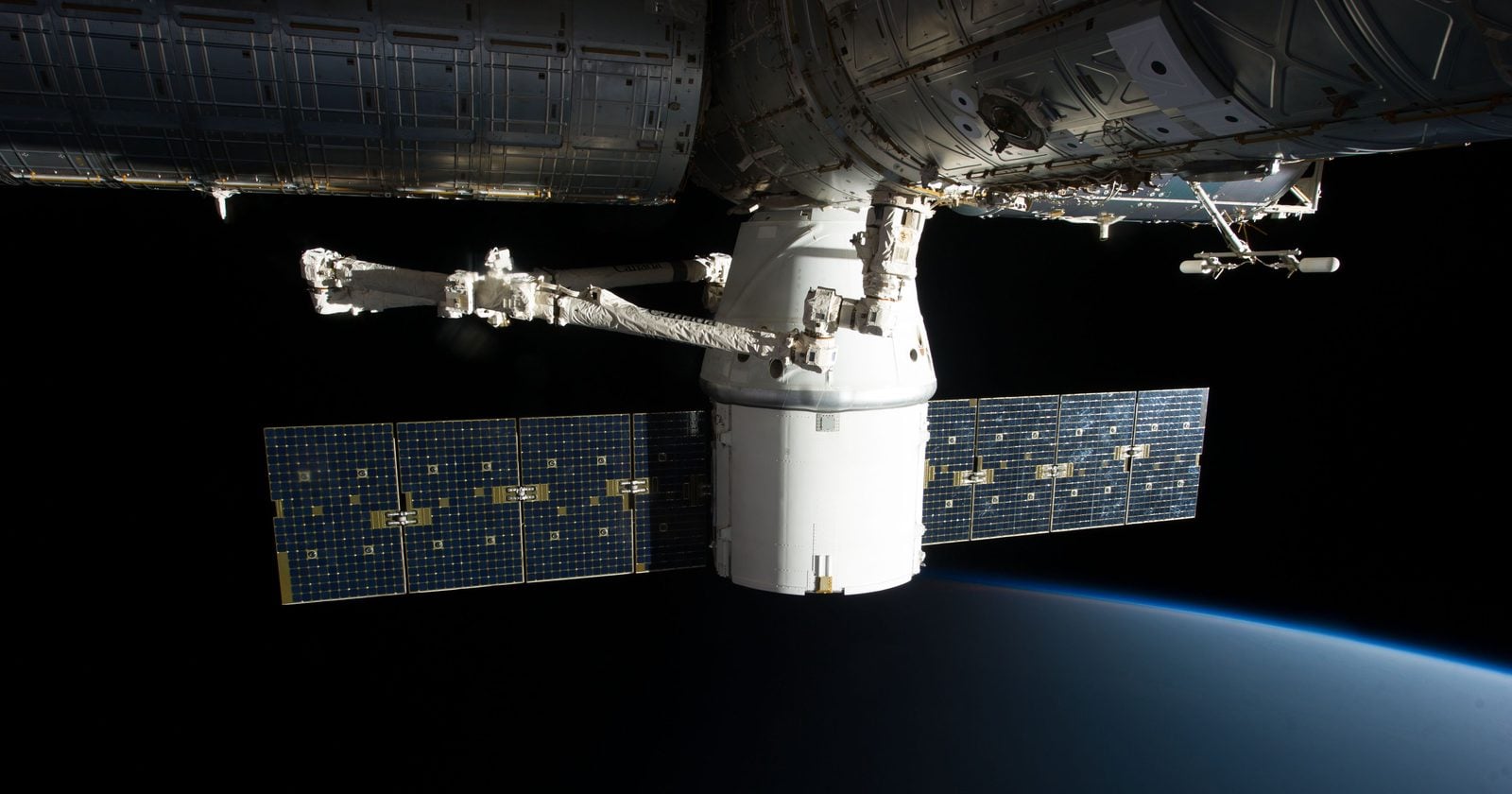
The numbers are impressive. Over roughly 15 years in orbit, Mir’s core module circled Earth 86,331 times. It hosted 104 different people over its life, making it the most-visited spacecraft in history until the International Space Station passed it. It was the first station built piece by piece in orbit, and it stayed running about three times longer than its designers planned.
Those figures explain why Mir mattered. They do not explain why it stopped flying. The tidy story we like to tell is that it was old, it had done its job, and it earned its rest. The real answer is less romantic. It came down to money.
The story we like to tell about worn-out spacecraft
There is something comforting about assuming a great station gets retired because it is used up, and Mir gave that story plenty to work with. It was well past its design life. It had survived a fire and a 1997 collision.
Near the end, the crew spent most of its time just keeping the place working. Roald Sagdeev, former head of the Russian space institute, told SpaceNews that toward the end the crew spent about 95 percent of its time on repairs.
Officials leaned into that framing. Roscosmos chief Yuri Koptev argued the station was so fragile that “any of its systems could well fail at any time”.
What actually decided it
By the late 1990s, Russia was trying to run two space stations on one budget. ISS construction had begun in 1998, and Russia’s part of it needed the same engineers, the same launches, and the same limited pool of money that Mir depended on. Something had to give.
Space.com’s Elizabeth Howell put it plainly: “Russia thus decided to deorbit Mir to preserve money for ISS.” That is a summary, and the fuller record lists safety and age alongside funding, so it is fairer to call cost the deciding factor than the only one. The Register’s Richard Speed reached a similar conclusion, writing that “funding simply did not exist to keep both programs running”.
Most serious accounts point the same way: two programs, one budget, enough for one.
Twelve countries, and what the visitor count shows
Those 104 visitors came from twelve nations.
That reach shows why Mir was worth building, not why it was kept flying. A station visited by Russian cosmonauts, American astronauts, and crew from a dozen countries was doing exactly what it was designed to do: turning orbit into a shared address rather than a one-nation outpost.
How big space programs actually end
Perhaps the most useful thing Mir teaches is how these decisions really get made.
The program’s lifetime cost ran to an estimated $4.2 billion, by Koptev’s own 2001 accounting, covering development, assembly, and years of operation.
When a government has to choose between two hugely expensive commitments, the list of achievements does not get a vote. The budget does.
That is worth keeping in mind the next time a spacecraft, a telescope, or a station is retired and the coverage frames it as a program that had simply run its course. Sometimes that is true. More often, as far as we can tell, the ending is an accounting decision dressed up as a verdict on success. Mir is perhaps the clearest example we have.