

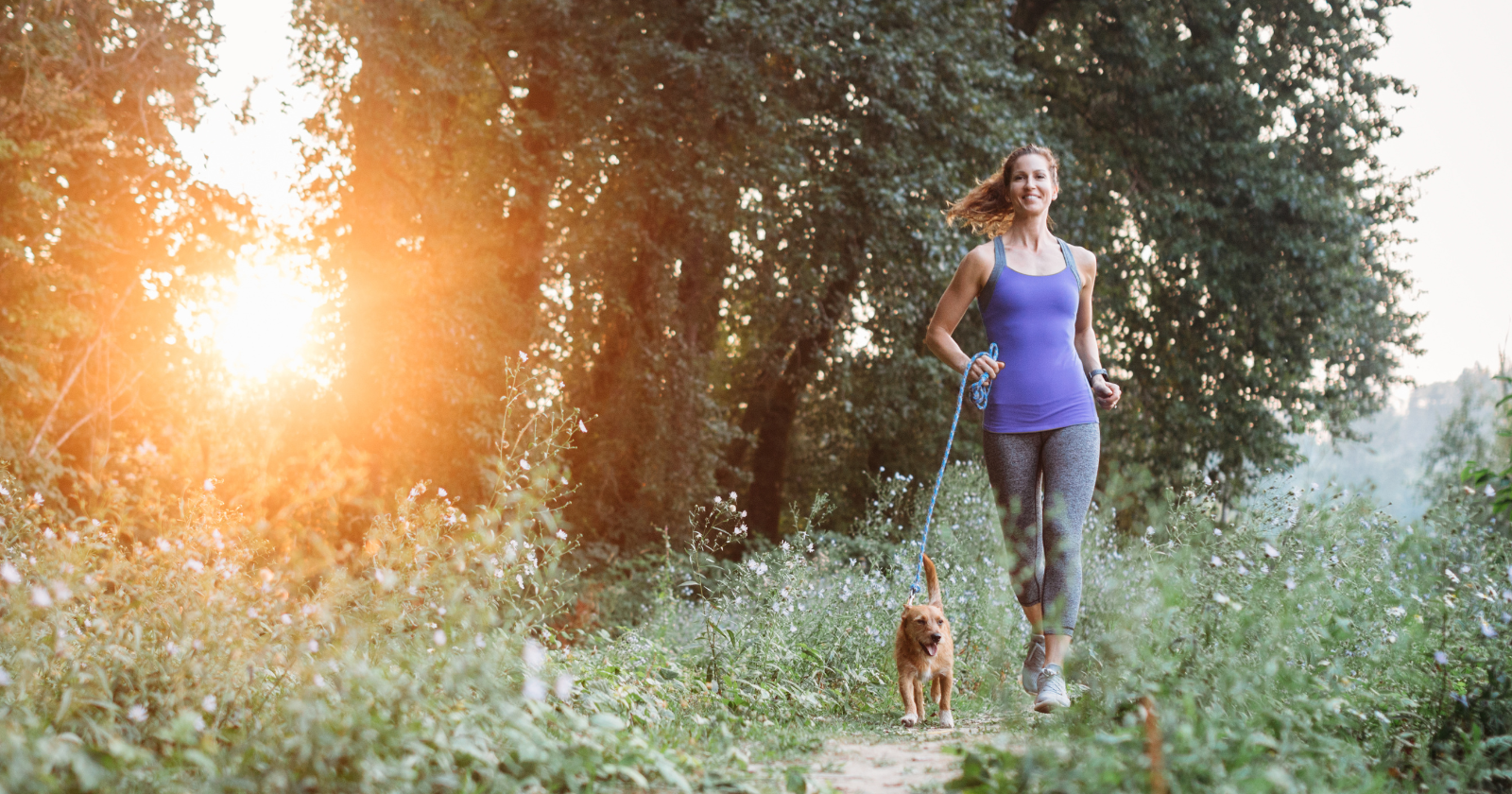
A short walk, paddle, or cycle in green surroundings tends to lift mood and how you feel about yourself. And the biggest lift may come faster than most people expect.
That is the finding Jo Barton and Jules Pretty reached when they pooled data from 1,252 people. Their 2010 analysis, published in the journal Environmental Science & Technology, combined 10 UK studies.
Two things make it worth a closer look: the benefit shows up reliably, and being near water appears to sharpen it.
A note before going further. We are writers reading a research paper, not psychologists or clinicians. What follows is reporting on one study’s findings, not advice for your own wellbeing. The patterns here are averages drawn across a large group, and a population-level result is not a prescription for any individual reader.
The effects were modest but consistent. After a spell of activity outdoors, most people felt better about themselves and reported a lighter mood. The improvements in self-esteem and mood were strong enough across the pooled group to be taken seriously.
The more surprising result was about timing. The researchers tracked how the benefit changed with session length. The largest gains did not come from the longest sessions. They came from the shortest. Just five minutes produced the biggest jump in self-esteem, with smaller but still positive returns the longer people stayed. As Pretty put it, “For the first time in the scientific literature, we have been able to show dose-response relationships for the positive effects of nature on human mental health.”
Why water seemed to sharpen the effect
Every green setting the researchers examined helped. All of them improved both mood and self-esteem. But as the Essex research repository records, settings with water produced the biggest changes of any environment tested.
The study does not explain why. It reports the pattern, not the mechanism. A single analysis of UK sites is a prompt for further research, not a universal law about water and the mind. What the data shows is a simple ranking: green plus water beat green alone, at least among these people and these places.
What the finding means in practice
For anyone weighing whether it is worth heading outside, the barrier looks low. If the sharpest gains arrive in the first five minutes, not having an hour to spare is less of an obstacle than it might seem.
The authors saw a wider point. A brief, cheap activity was linked to measurable short-term gains, and that, they argued, could matter for public health. As Pretty put it, “We know from the literature that short-term mental health improvements are protective of long-term health benefits.” His co-author Jo Barton went further, saying that “we believe that there would be a large potential benefit to individuals, society and to the costs of the health service if all groups of people were to self-medicate more with green exercise.” Both claims are the researchers’ interpretation, not a proven saving on any health budget.
Perhaps the quiet surprise in this analysis is the assumption that more time always means more benefit. On the evidence here, the dose that moved the needle most was not long. Anyone putting off a long outing may have been waiting for a slot they never needed.
If low mood or worry is weighing on you in a way that a short walk won’t shift, a qualified counsellor or therapist is worth talking to.