
In 1980, a science documentary hosted by an astronomer became the most watched series in the history of American public television. It held that record for ten years. Measured by its reach around the world, it still holds a record of its own.
The series was Cosmos: A Personal Voyage. Its thirteen episodes began airing one a week on 28 September 1980 and ran through that December. The premiere date was the sixteenth anniversary of KCET, the Los Angeles station that made it.
It was a real gamble. PBS’s own account puts the total nearer $8 million, a sum it describes as unheard-of for public television then. Betting that much on a scientist explaining the age of the universe was not an obvious commercial proposition.
What made it travel
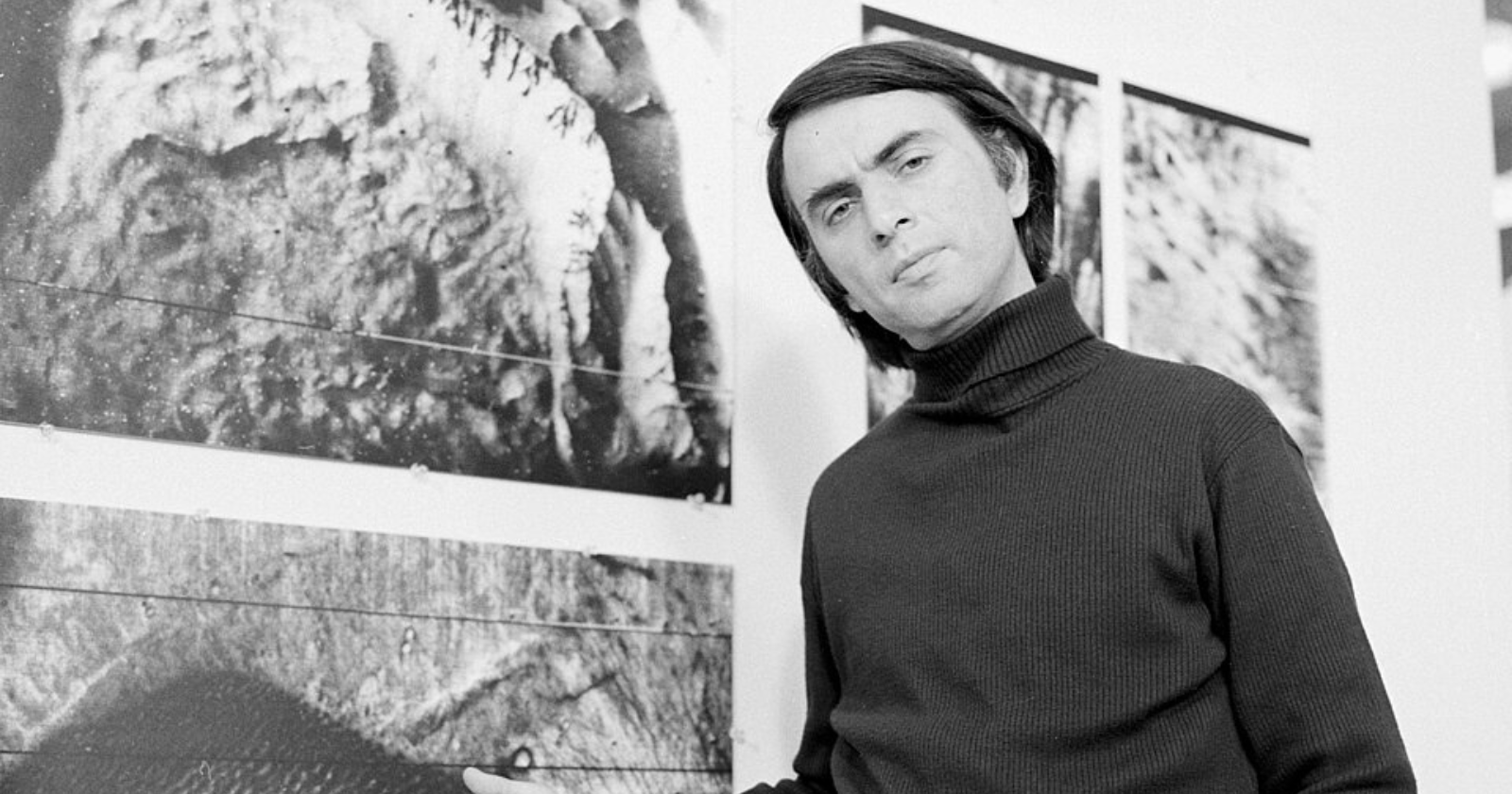
Carl Sagan wrote the series with Ann Druyan and Steven Soter, and he presented it. It used a “Ship of the Imagination” and, for the time, new special effects to carry viewers from the surface of Mars to the edge of what we can see. The aim, as former journalist Shubhobroto Ghosh put it for Club SciWri, was an attempt by Sagan and Druyan to make science accessible to the general public, out of the confines of laboratories and technical boundaries.
That is probably part of why it crossed borders. A programme built on wonder and plain explanation travels in a way a lecture does not. It was later broadcast in more than 60 countries and seen by an estimated 500 million-plus people. Sagan’s phrasing entered the culture too. As PBS SoCal noted, his much-mocked line about “billions and billions of stars” became a pop culture catchphrase, though he reportedly never said it quite that way on screen.
The affection outlived Sagan. His co-writer and widow Ann Druyan told Discover Magazine that what moved her most was “that we could find each other, as Carl wrote so beautifully in Cosmos, you know, in the vastness of space and the immensity of time.”
The record and its successor
Cosmos became the most widely watched series in the history of American public television, and it held that place for a decade. What finally passed it was not another science programme. It was Ken Burns’s The Civil War, a nine-part documentary that premiered on 23 September 1990 across five nights.mPBS puts the premiere audience at 38.9 million and calls it the highest-rated PBS series to that point.
The two records are not measuring the same thing. Burns took the crown for the American home audience. Cosmos, measured by its reach across the world, kept a distinction of its own. As of 2009 it was still, by one accounting, the most widely watched PBS series in the world.
What the number actually means
Five hundred million is a figure that slides past without landing. Set it beside something: Burns’s premiere, the programme that broke the domestic record, reached under 40 million American homes over a single week. Cosmos reached its half-billion the slow way, across decades and more than 60 countries, one broadcast and rerun at a time.
A number that large is an estimate, and only an estimate. It is pieced together from international broadcast deals and reruns, not counted home by home. The exact total will never be knowable. What is knowable is the shape of it: a thirteen-part series about the origin of the universe, hosted by a working astronomer, that a fair share of the planet chose to watch.
That the figure has stood so long says something plain about the appetite it met. A science documentary was never supposed to be the thing half a billion people made time for. It became that anyway.
