
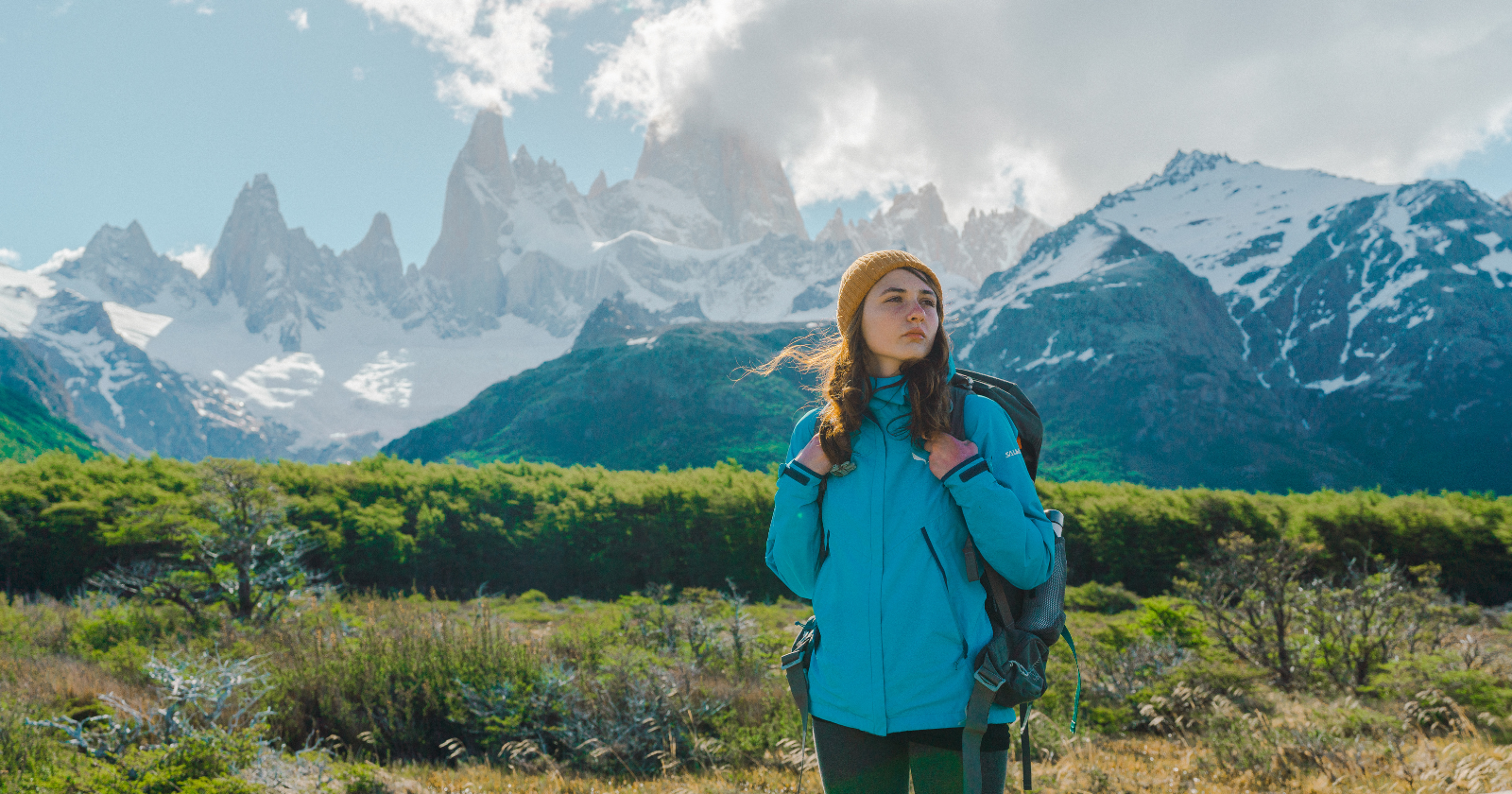
Kristine McDivitt Tompkins and her late husband Doug spent about three decades buying up worn-out land at the southern tip of South America, nursing it back to health, and then giving almost all of it away. However, when she signed the Argentine land over to the government, she added one condition: it has to stay protected for at least 99 years. That single clause is the reason this story is worth telling.
The word underneath all of it is rewilding. It means buying land that people have already used hard, tired grazing pasture, logged forest, drained wetland, then pulling out the fences, letting the native plants grow back, and returning the animals that used to live there before they were hunted or pushed out. It is slow, expensive, and unglamorous.
And it is what the Tompkinses did before handing the results to two national governments.
That 99-year clause deserves a moment. This is a person who paid for the land, gave it away, and then tied her own hands and everyone else’s to keeping it wild for the better part of a century.
What she actually did
Kris McDivitt joined the outdoor clothing company Patagonia as one of its early employees and, by the age of 28, was its CEO. She left in 1993 and moved to Chile, where her to-be husband Doug Tompkins, co-founder of The North Face and the fashion label Esprit, had already sold his companies and started buying wilderness.
This was not a foundation writing checks from a distance. The couple spent more than $345 million buying land across Chile and Argentina, restoring it, and giving it back to the two governments as parkland. Finished around 2018 and 2019, the combined effort was reported as the largest private land donation in history: roughly 14.7 million acres of land, plus about 30 million acres of ocean.
Thirty years of buying, then tearing things down
The land did not arrive ready to be a park. Much of it had been ranched or logged for generations, so a lot of the work was demolition. On the Chilean properties, the couple tore out roughly 700 kilometers of barbed wire, the fencing that had chopped the grasslands into paddocks.
Then came the animals. In Argentina’s Iberá wetlands, the program brought back wild jaguars for the first time in 70 years. Tompkins has been blunt about why that matters as much as the acreage. “Landscape without wildlife is just scenery,” she has said. A protected valley with nothing living in it is, on her view, a postcard rather than a working place.
Why giving it away was the point
The obvious question is why two people would spend that kind of money to end up owning nothing. Tompkins has a phrase for the logic. She calls the whole approach “a kind of capitalist jujitsu move. We deployed private wealth from our business lives… to protect nature from being devoured by the hand of the global economy.”
The private ownership was always meant to be temporary. Land in Chile went to that government, and in Argentina she handed over her land on the condition it be used for national parks open to the public. The Yale School of the Environment reported the donation as nearly 1 million acres to Chile and another 370,000 acres to Argentina, given specifically so the public could use it.
The way we’d read the 99-year clause is as the whole idea compressed into a single condition. A private owner can be talked into selling, or die and leave heirs with other plans. A national park with a legal floor under it is much harder to undo. Tompkins was betting that a public institution, bound by law, is a safer long-term caretaker than any single person. The giving-away was not the price of the project. It was the project.
The friction of being the outsider buying up the map
None of this went down smoothly. A wealthy foreign couple quietly buying up enormous blocks of land in remote parts of two countries looked, to a lot of people, like something other than charity. Tompkins recalls the rumors with dark humor. “We were accused of being spies! Of hiding radioactive waste or of training a secret army for the CIA. The rumors were crazy,” she says.
Tompkins did not pretend that tension went away. “there’s always an inherent conflict between development and conservation,” she has said.
Six parks, and what we take from it
On the ground, the Argentine result is six national parks that are either new or much bigger than before, with jaguars back in the wetlands and fences gone from land that had been enclosed for a century. In the Iberá region, Tompkins donated 375,000 acres to the Argentine government, which, combined with the neighboring provincial park land, would form the largest protected area in the country.
What we keep coming back to is how much of this rests on a belief rather than a spreadsheet. Tompkins says something that reframes the whole transaction: “The planet does not belong to us humans,” says Tompkins. “If you believe this, it changes everything.” If the land was never really yours, keeping it was never the goal, and handing it to an institution that might outlive you is the only version of the plan that makes sense.
