
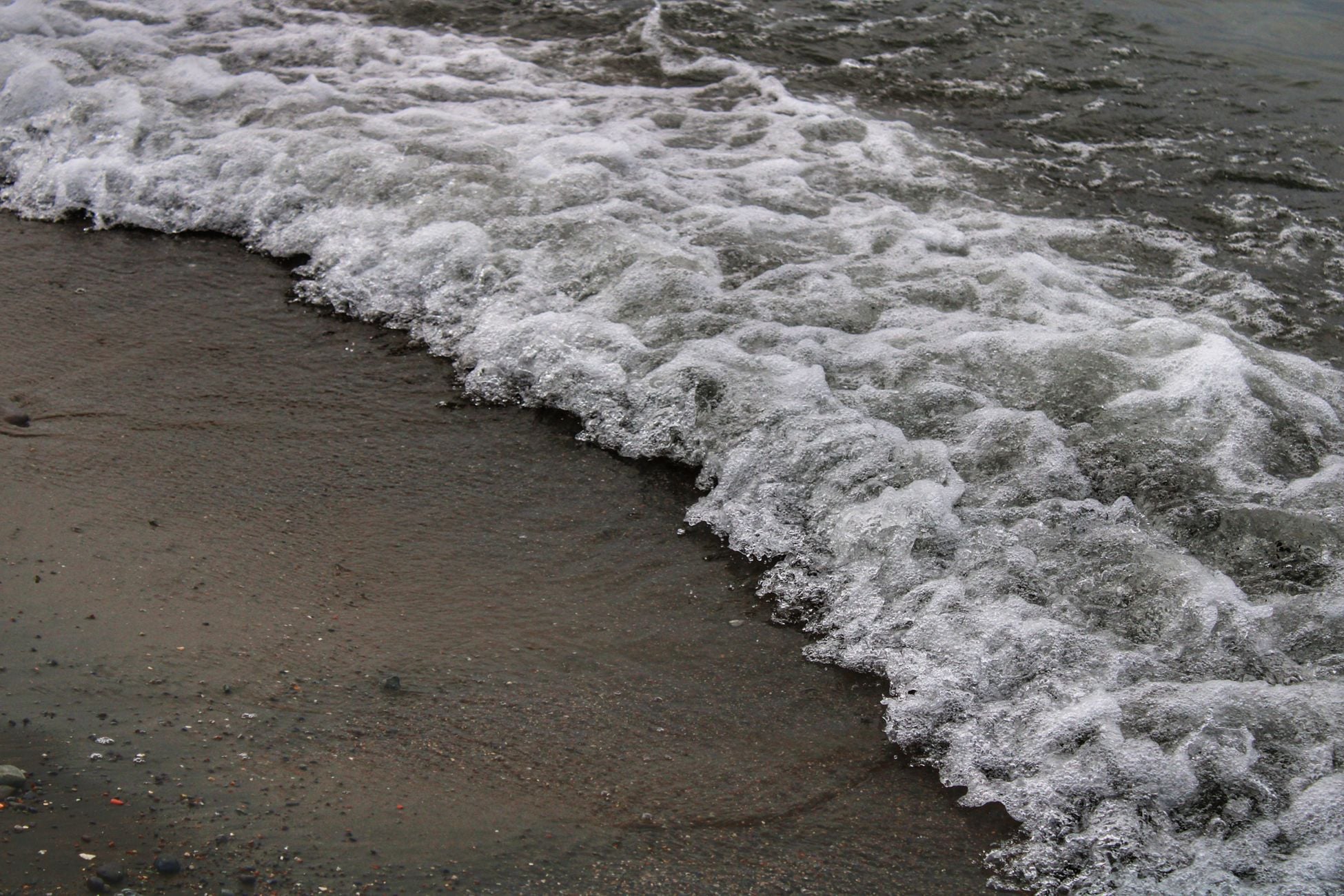
Twice a month, when the Sun, Moon and Earth fall into a rough straight line, the sea along a coastline like Myrtle Beach climbs a little higher up the pilings and drops a little further down the mudflats than it did the week before. Coastal forecasters at outlets like WMBF News on the South Carolina Grand Strand call them spring tides, and the name has nothing to do with the season. It comes from the old English sense of water “springing up” — a fortnightly rhythm written into the tide tables by nothing more exotic than the geometry of three bodies falling around each other in space.
The trigger is always the same: new moon or full moon. Those are the two moments each lunar month when the Moon sits directly between Earth and the Sun, or directly opposite the Sun with Earth in the middle. In both configurations the tidal pulls of the two brightest objects in our sky stop working at cross purposes and start working together.
Two tugs, one line
The Moon dominates Earth’s tides, but the Sun is not a bystander. Solar gravity produces a tidal bulge on Earth’s oceans that is roughly half as strong as the lunar one. Most of the month, those two bulges are pulling in different directions, partly cancelling each other out. The result is what mariners call neap tides — modest highs, modest lows, a lazy swing between them.
At new and full moon the geometry snaps into alignment. Sun, Moon and Earth sit close to a single line — a configuration astronomers call syzygy. The two tidal bulges add rather than fight. The high tide rides higher. The low tide drains further. The range between them can grow substantially compared with the neap tides a week earlier.
None of this requires anything unusual to be happening in the sky. It happens every fortnight, on schedule, forever. The only thing spring tides “mean” is that the calendar has ticked around to another new or full moon.
Why the Moon wins
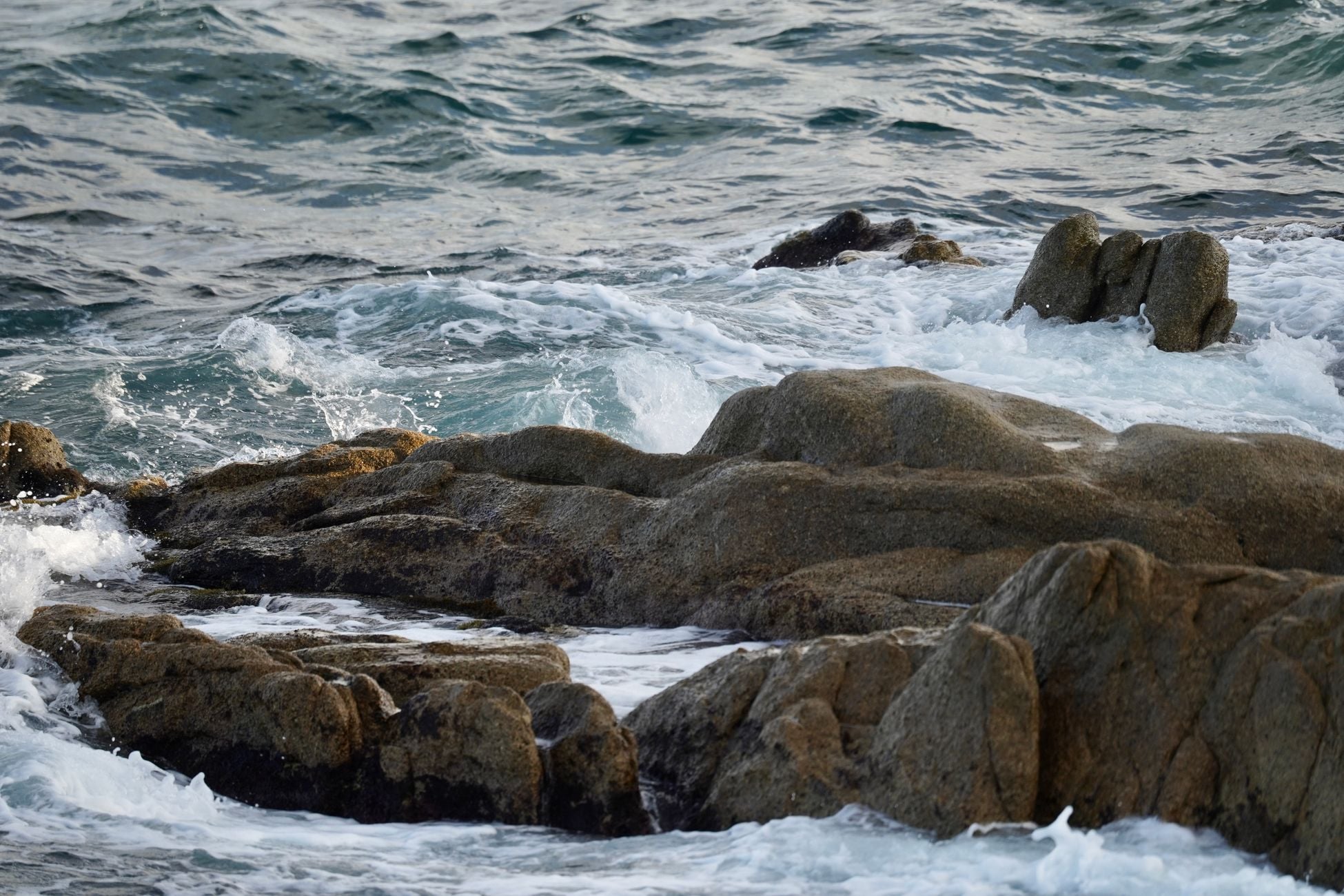
The Sun is vastly more massive than the Moon. It should, by any naive reckoning, dominate the tides completely. It does not, because tides depend not on gravity itself but on the difference in gravity across the width of Earth — the pull on the near side compared with the pull on the far side. That difference falls off with the cube of distance, not the square.
The Moon is close. At an average distance of about 384,000 kilometres, the near side of Earth feels a noticeably stronger lunar pull than the far side. The Sun, at about 150 million kilometres, tugs both sides of Earth with almost identical force. Cube the ratio and the Moon comes out ahead — roughly twice as effective at raising tides as the Sun, despite being a barren rock less than a hundred-millionth of the Sun’s mass.
Add the two together at syzygy and you get a spring tide. Set them at right angles, which happens at the first and third quarter moons, and you get a neap.
The name is older than the calendar
English speakers have been using the phrase “spring tide” for centuries, long before anyone understood the physics. Sailors and fishermen noticed the pattern empirically. Every fortnight the water rose higher, whether the almanac said it was March or November. They wrote it down. They planned harbour departures around it. The word survived into modern oceanography and now sits in the same sentences as gravitational potential and tidal harmonic constituents.
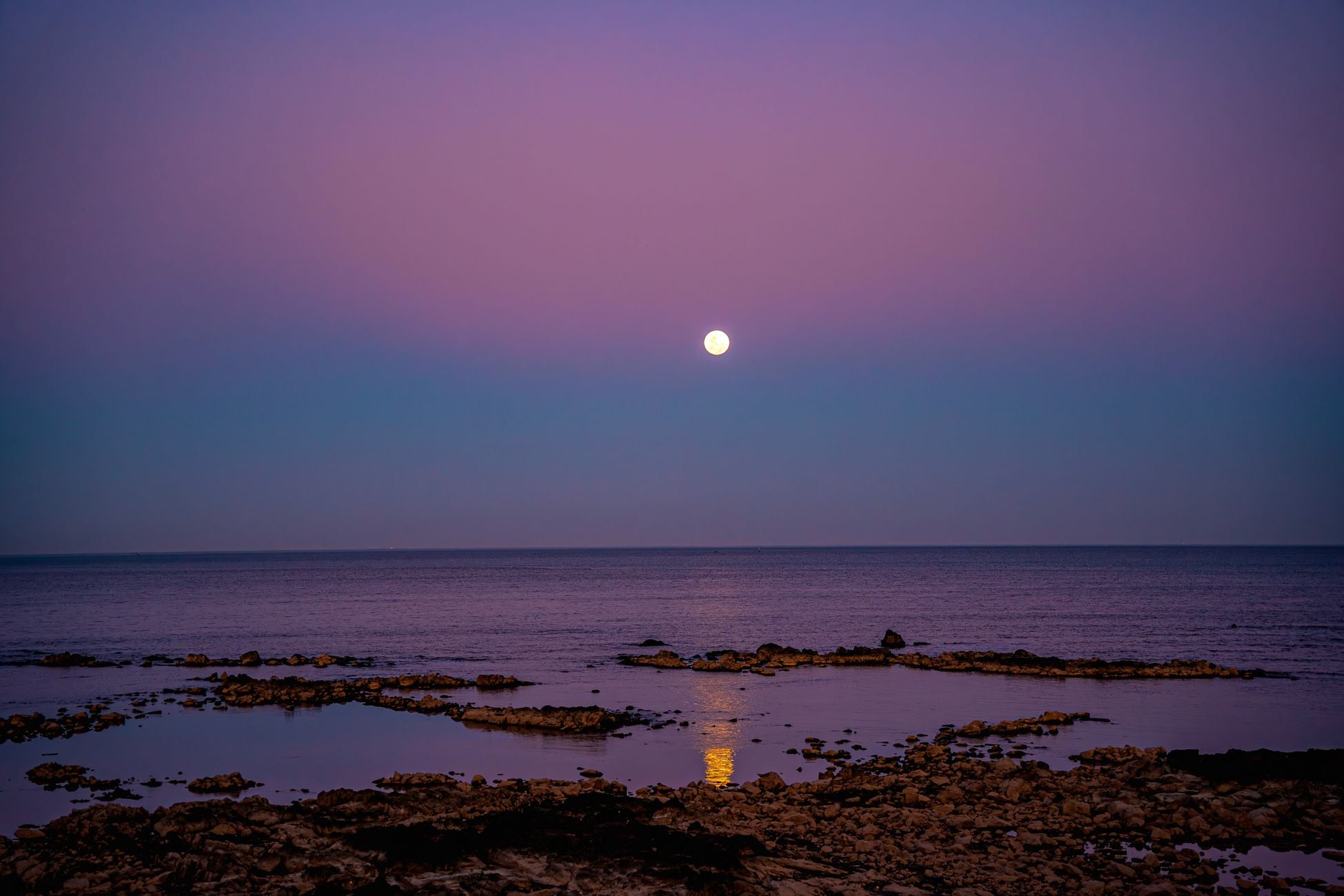
Spring tides at the full moon get some of the loveliest visual evidence. When photographers around the world captured May 2026’s Flower Moon rising over coastlines from Greece to Nova Scotia, tide gauges along those same shores were logging some of the highest and lowest readings of the month. The two facts are the same fact, seen from different windows.
King tides and the perigean twist
Not all spring tides are equal. The Moon’s orbit around Earth is an ellipse, not a circle. Its distance varies significantly over the month, and when new or full moon coincides with perigee — the Moon’s closest approach — the tidal bulge grows another few percent. Coastal managers call these “perigean spring tides,” or, in the plainer language that has taken hold in the past decade, king tides.
King tides are the ones that put water over the seawall in Miami’s Brickell district on a sunny afternoon, that flood the parking lots at Charleston Harbor without a storm anywhere on the map. They are not caused by climate change. They are ordinary solar system geometry. What has changed is the baseline sea level beneath them, so the same predictable peak now reaches into places that used to stay dry.
The Blue Moon that rose over the world’s coastlines in late May 2026 was a spring tide moon. A month later there would be another. And another. The rhythm never breaks.
How coastlines amplify the signal
The open ocean’s tidal range is surprisingly modest — often little more than a metre from high to low. What produces the theatrical tides you see in tourist photographs is the shape of the coast. Long, funnel-like inlets concentrate the incoming water into narrower and narrower channels, forcing it higher.
The Bay of Fundy in Canada is the extreme case. Its geometry resonates with the tidal period, sloshing water back and forth like tea in a shaken cup. Spring tides there routinely produce a range of more than 15 metres — the height of a five-storey building — between low and high water. Fishing boats that floated in a deep basin at noon sit on bare rock by dinner.
At the other extreme, enclosed seas like the Mediterranean barely notice the fortnight. The Strait of Gibraltar is too narrow to let much of the Atlantic tide in and out, so the whole basin oscillates weakly. A spring tide in Venice might be only slightly larger than a neap. On the Grand Strand the difference is more pronounced. In the Bay of Fundy the contrast is dramatic. Same physics, different plumbing.
The lag no one expects
One quiet surprise in tide tables: the actual spring tide usually arrives a day or two after the new or full moon, not on the same day. Oceanographers call this lag the age of the tide. The seas are enormous and viscous, and it takes time for the water to respond fully to the aligned gravitational forcing. So the sky lines up on a Tuesday, and the biggest tides show up Wednesday or Thursday.
The lag varies by coastline. Along the US East Coast it is typically one to two days. In some regions it can stretch to three or more. The tide is a slow, heavy thing chasing a fast geometric cue.
Written into the far future
The fortnightly cycle of spring and neap tides is one of the oldest reliable rhythms on Earth. It has been running for billions of years, ever since the Moon settled into a stable orbit around a young planet. It will keep running for billions more — though not unchanged.
The Moon is receding from Earth at about 3.8 centimetres per year, a drift measured by lasers bouncing off retroreflectors left on the surface by Apollo astronauts. As it moves further away, its tidal grip weakens. Scientific American has laid out the deep-time trajectory: over hundreds of millions of years the tidal range will shrink, and Earth’s rotation will slow to match the Moon’s orbit. Spring tides will still exist. They will just be gentler versions of the ones lapping today’s harbours.
For now, though, the cycle is crisp and unmistakable. Any tide table you download for any port on Earth carries the same signature — a two-humped, twice-monthly pulse timed to the phases of the Moon printed alongside it.
The tide table as astronomy
Look at a printed tide chart pinned inside a bait shop and it seems like the most local, humble document imaginable. Numbers in a grid. Times to the minute. Heights in feet or metres. What it is actually showing you is the position of three bodies in the solar system, filtered through the specific shape of one bay.
Every fortnightly maximum is the Moon and Sun pulling in concert. Every fortnightly minimum is the two of them pulling at right angles. The tide gauge on the pier is a very slow, very large instrument for detecting the geometry of the sky.
Fishermen have known this pattern for centuries without any of the physics. The physics only explains why the old knowledge worked. Somewhere along a coast tonight, water is climbing a little higher up a piling than it did last week, and the reason is that the Moon happens to be full.
