

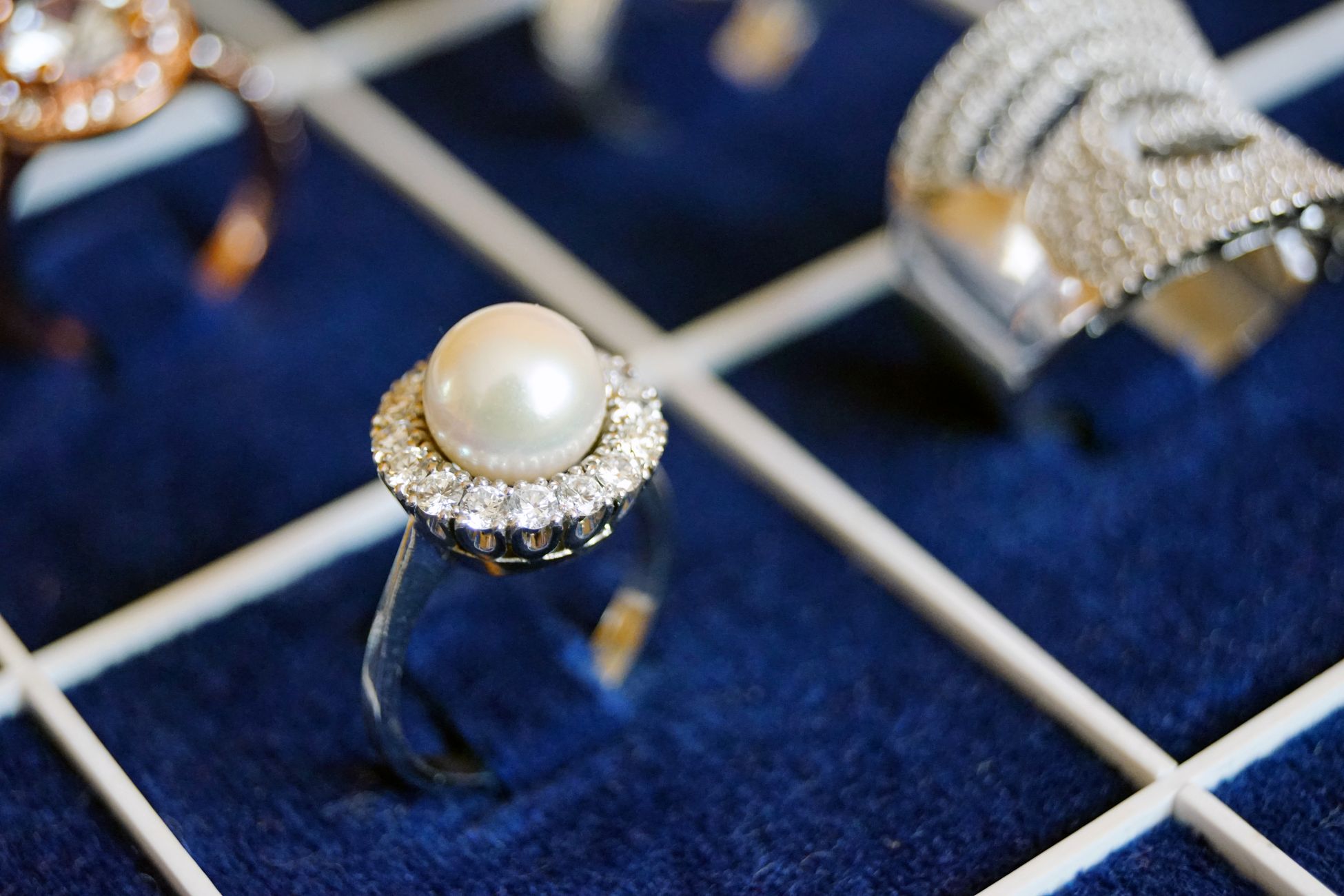
A copywriter named Frances Gerety working at the Philadelphia advertising agency N.W. Ayer created the line A Diamond Is Forever for a client called De Beers, the South African mining cartel. The slogan would run on De Beers advertising for decades, and the campaign it anchored would invent, almost from scratch, the idea that an engagement ring should cost a man two months’ salary — a number that had no basis in tradition, etiquette, or jewelry industry practice.
The figure started smaller. In the early twentieth century, diamond engagement rings were relatively uncommon among American brides, and rings cost less than they would later.
By the 1980s, De Beers had pushed the American benchmark to two months. In Japan, where the company began advertising in the 1960s, it set the figure at three.
The slogan that ran for 75 years
Gerety worked at N.W. Ayer for her entire career. A Diamond Is Forever became one of the most recognized advertising slogans of the twentieth century. The line did two things at once. It implied that a diamond, like the marriage it symbolised, was eternal — and it discouraged resale, because a stone you would never part with did not need a secondary market that might reveal how little used diamonds were actually worth.
De Beers did not sell diamonds directly to consumers. It sold rough stones to a tightly controlled group of cutters and wholesalers, and it needed to keep demand high enough to absorb the supply coming out of mines in South Africa, Botswana, and later Russia. Advertising was the lever.
Inventing a tradition that had not existed
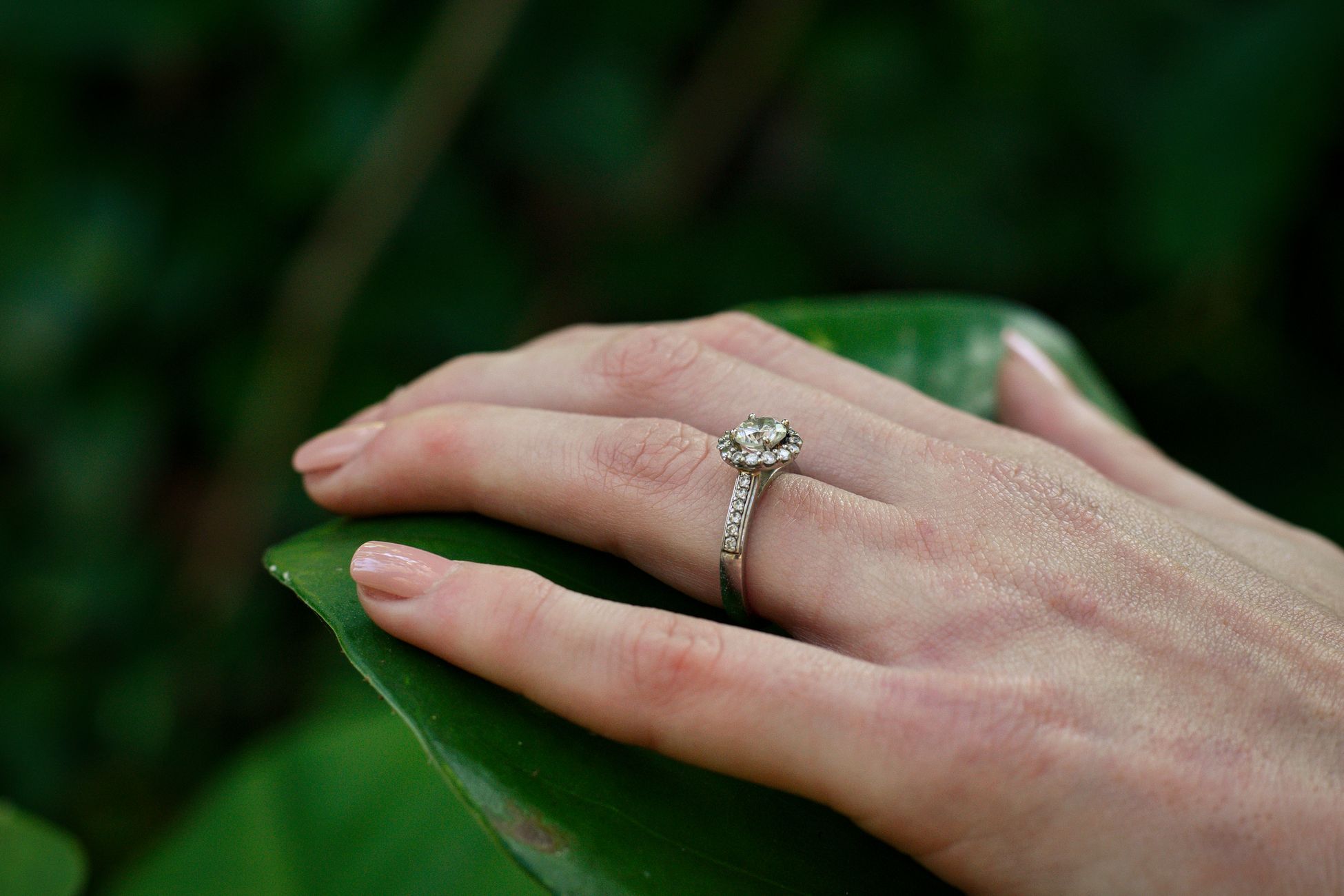
The two-months-salary rule was not handed down from a Victorian etiquette guide. It was tested in print ads through the 1970s and 1980s, raised from one month to two as inflation and rising incomes allowed, and reinforced through magazine spreads featuring couples whose ring size was implicitly tied to the groom’s professional success. The company eventually stopped suggesting specific salary multiples in U.S. advertising, but by then the figure had embedded itself in popular memory as if it had always been there.
The campaign worked because it tied a luxury purchase to a social fear. A man who spent less risked appearing cheap or uncommitted; a man who spent more signalled devotion. The metric was self-reinforcing because almost no one resold the ring afterward, so the market never had to absorb the secondhand stones that would have exposed the inflated retail markup.
Repeated messaging can convert a manufactured benchmark into a perceived custom, particularly when the purchase is rare, emotionally loaded, and hard to comparison-shop.
The Japan campaign of 1967
Japan was the harder case. Diamonds were largely absent from Japanese weddings before De Beers began its campaign. Engagement gifts followed a traditional custom called yuino, which involved exchanges of symbolic items between the two families. Brides did not typically wear rings. Diamonds, when they appeared at all, were associated with Western excess and were considered ostentatious.
De Beers worked with advertising agencies to change that. The campaign placed diamond rings on young Japanese women photographed in Western settings — skiing, sailing, driving sports cars — surrounded by Western boyfriends and husbands. The visual argument was that diamonds belonged to a modern, internationally mobile, economically successful Japan, and that a man who proposed without one was clinging to a prewar past.
The salary benchmark in Japanese ads was set at three months’ salary, higher than the American figure. Japanese household savings rates were high at the time, and the campaign calibrated the ask accordingly.
How fast the custom took
The numbers shifted faster than almost any comparable case in consumer history. When the campaign launched in the late 1960s, few Japanese brides received diamond engagement rings. Within a few years, the figure began climbing rapidly. By the early 1980s, the majority of Japanese brides were receiving diamond engagement rings. By the late 1990s, the practice had become widespread, and Japan had become the second-largest diamond market in the world after the United States.
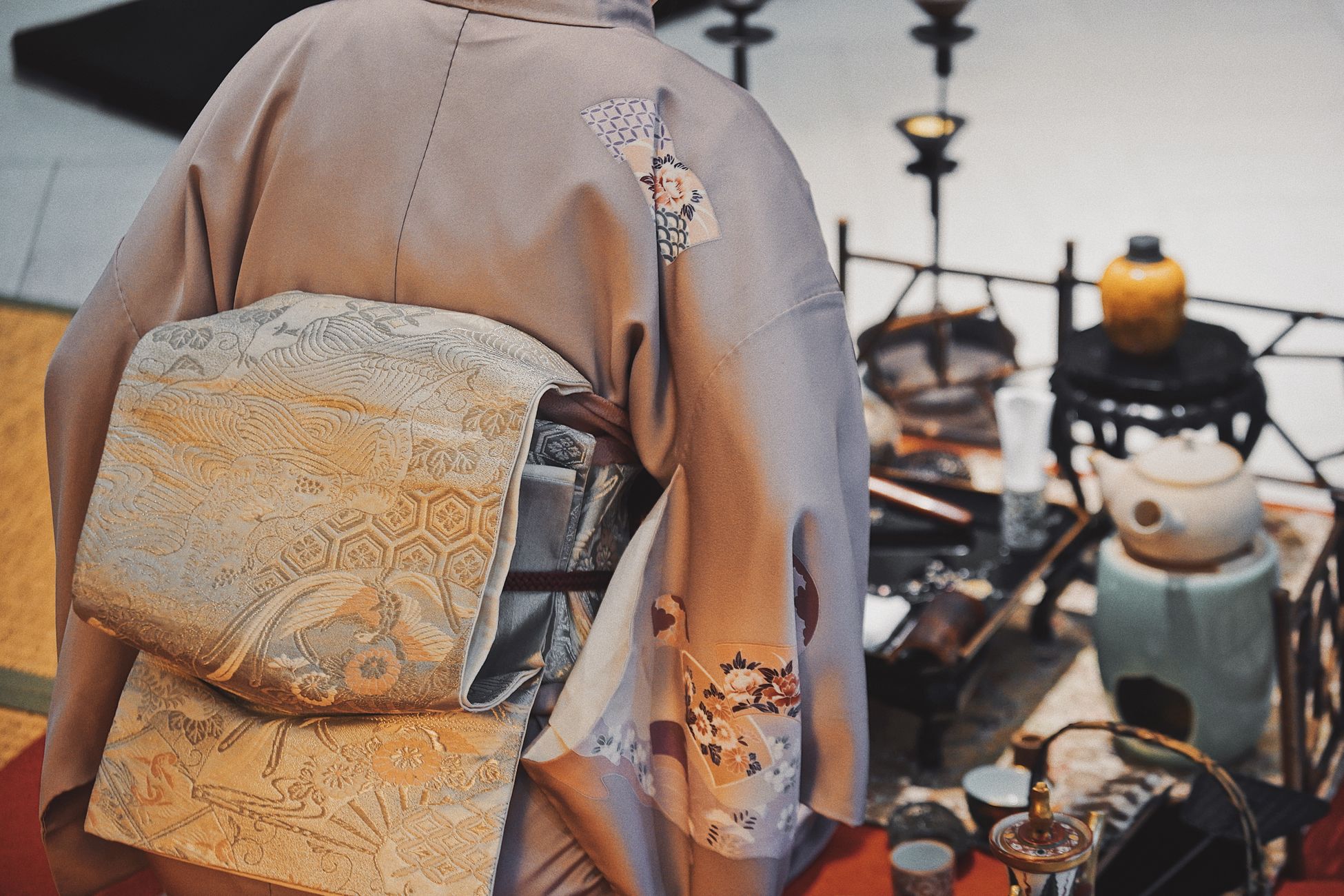
Within roughly thirty years, a country with no diamond tradition had adopted one as if it were ancient. Older relatives at weddings began to assume their granddaughters would receive a stone. Wedding magazines printed guidance on ring selection alongside articles on traditional kimono. The yuino ceremony itself often absorbed the ring as one of its exchanged items, blending the new custom into the old form so seamlessly that the seam disappeared.
Why the persuasion worked
Repeated exposure to a single visual framing — a young couple, a small velvet box, a specific cut of stone — establishes the diamond as the default object in the scene. Once the default is set, alternatives feel like deliberate refusals rather than neutral choices.
Purchases tied to identity transitions — marriage, parenthood, graduation — are especially susceptible to manufactured tradition, because the buyer is also performing a social role for an audience of family and peers.
The Japanese campaign exploited that exactly. A bride showing the ring to her mother was not just displaying a stone; she was confirming that the marriage met a modern standard.
The royal accelerant
One outside event amplified the campaign more than any single ad. In 1981, Prince Charles proposed to Lady Diana Spencer with a 12-carat oval Ceylon sapphire surrounded by 14 diamonds — a ring that broke generations of royal tradition by being chosen from a commercial Garrard catalogue rather than commissioned bespoke. The wedding drew a global television audience, including a substantial viewership in Japan, where the broadcast aired with translation.
Diana’s ring was not a solitaire diamond, but the broader visual — a Western royal bride wearing a serious gemstone — fed directly into the framing De Beers had been building. Sales accelerated in both markets through the 1980s.
What the campaign is doing now
The structure has begun to wobble. Lab-grown diamonds, chemically identical to mined stones, now sell at substantially lower prices than natural equivalents, and younger buyers in the United States and East Asia have proved willing to choose them. De Beers spent decades insisting that synthetics were not real diamonds, then launched its own lab-grown brand called Lightbox, and has since pulled back.
In October 2025, the company launched a campaign called Desert Diamonds, its largest in a decade, aimed at re-establishing the cultural premium of natural stones. A separate rebrand of the De Beers jewelry line features the model Adwoa Aboah and a new Paris flagship, framing natural diamonds as heritage objects rather than commodity purchases.
Japan’s diamond market has softened since its peak, partly as marriage patterns have shifted. The three-months-salary rule is now treated by many younger couples as a vintage idea rather than a binding one. The custom is no longer growing. It is also not disappearing — the wedding ring section of any department store in Tokyo still displays solitaires under the same lighting used in the original campaign.
What Frances Gerety left behind
The slogan Gerety wrote had been printed in more languages than almost any other piece of commercial copy in history, and the salary multiples it anchored — two months in America, three in Japan — had reshaped how hundreds of millions of people thought about the moment of proposal.
The diamonds themselves were chemically the same carbon they had always been. The forever was the advertising.