
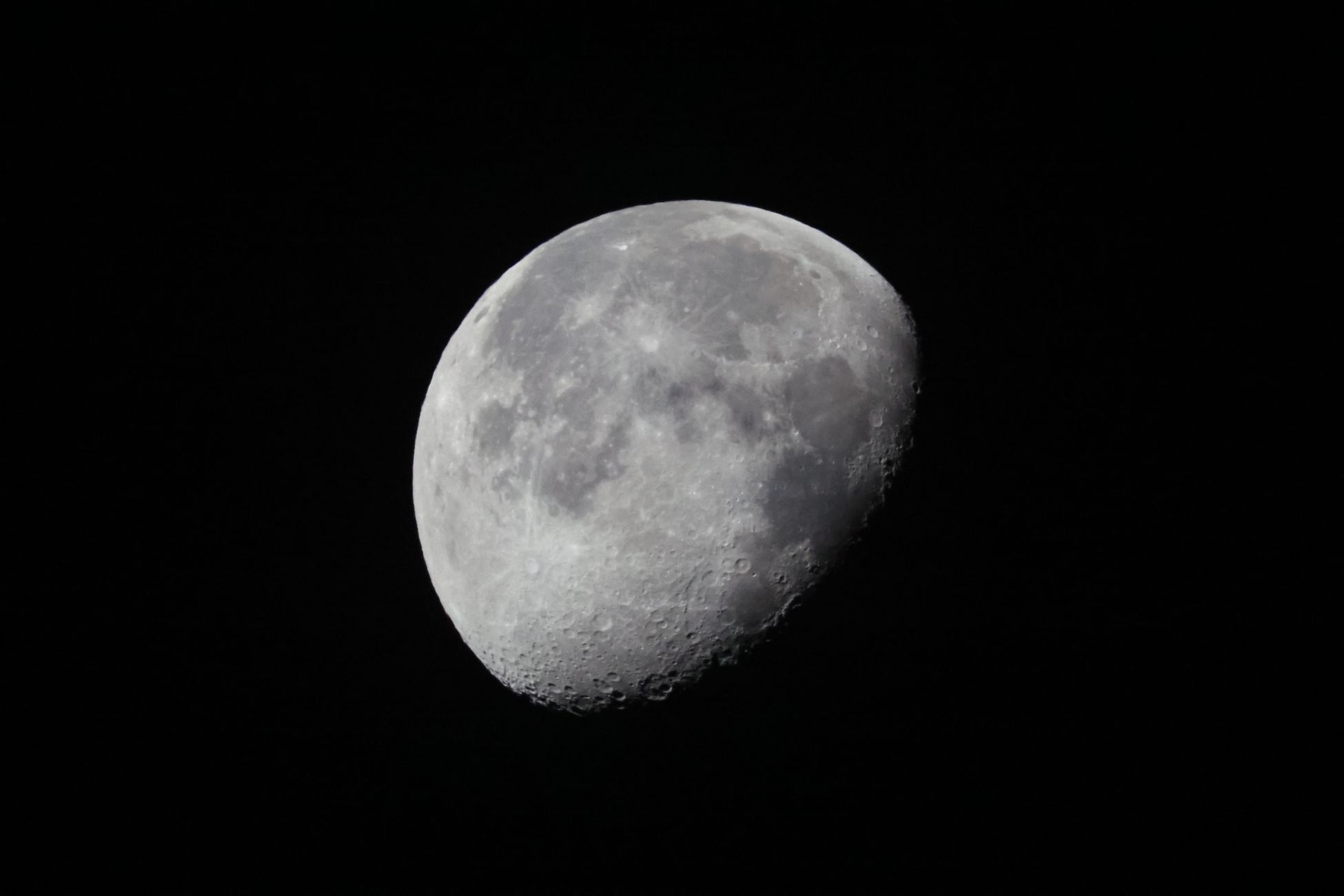
NASA’s Artemis site selection team finished the most exhaustive survey of the lunar South Pole ever attempted and came back with a list that would fit on an index card: candidate regions where the first woman and the next man are meant to step out of a Starship Human Landing System sometime this decade. The Moon is roughly 14.6 million square miles of surface — approximately the area of Africa and Australia combined — and the places everyone wants to put boots down add up to a cluster of patches you could drive across in an afternoon.
The shortlist sits close to the lunar south pole. Mons Mouton Plateau. Mons Mouton itself. Peak near Cabeus B. de Gerlache Rim 2. Haworth. Malapert Massif. Two patches of Nobile rim. Slater Plain. Together they cover a sliver of geography smaller than a major metropolitan area.
Every other square mile of the Moon is, for Artemis purposes, the wrong square mile.
Why a continent shrinks to a handful of neighborhoods
The reason is sunlight, water, and line-of-sight radio — three things that almost never coexist on the same patch of lunar dirt. The South Pole is the only region on the Moon where they sometimes do.
At the pole, the Sun never climbs far above the horizon. Shadows stretch for kilometers. A crater rim a few hundred meters tall can stay lit for much of the year while the floor of the crater right next to it has not seen sunlight in roughly two billion years.
Those permanently shadowed regions are where the water hides. Temperatures inside them sit around minus 250 degrees Fahrenheit, cold enough to trap water ice delivered by ancient comet impacts and hold onto it through every lunar day since. NASA wants astronauts close enough to walk to that ice, but standing in sunlight that recharges their solar arrays. The geometry that allows both is rare.
The sites
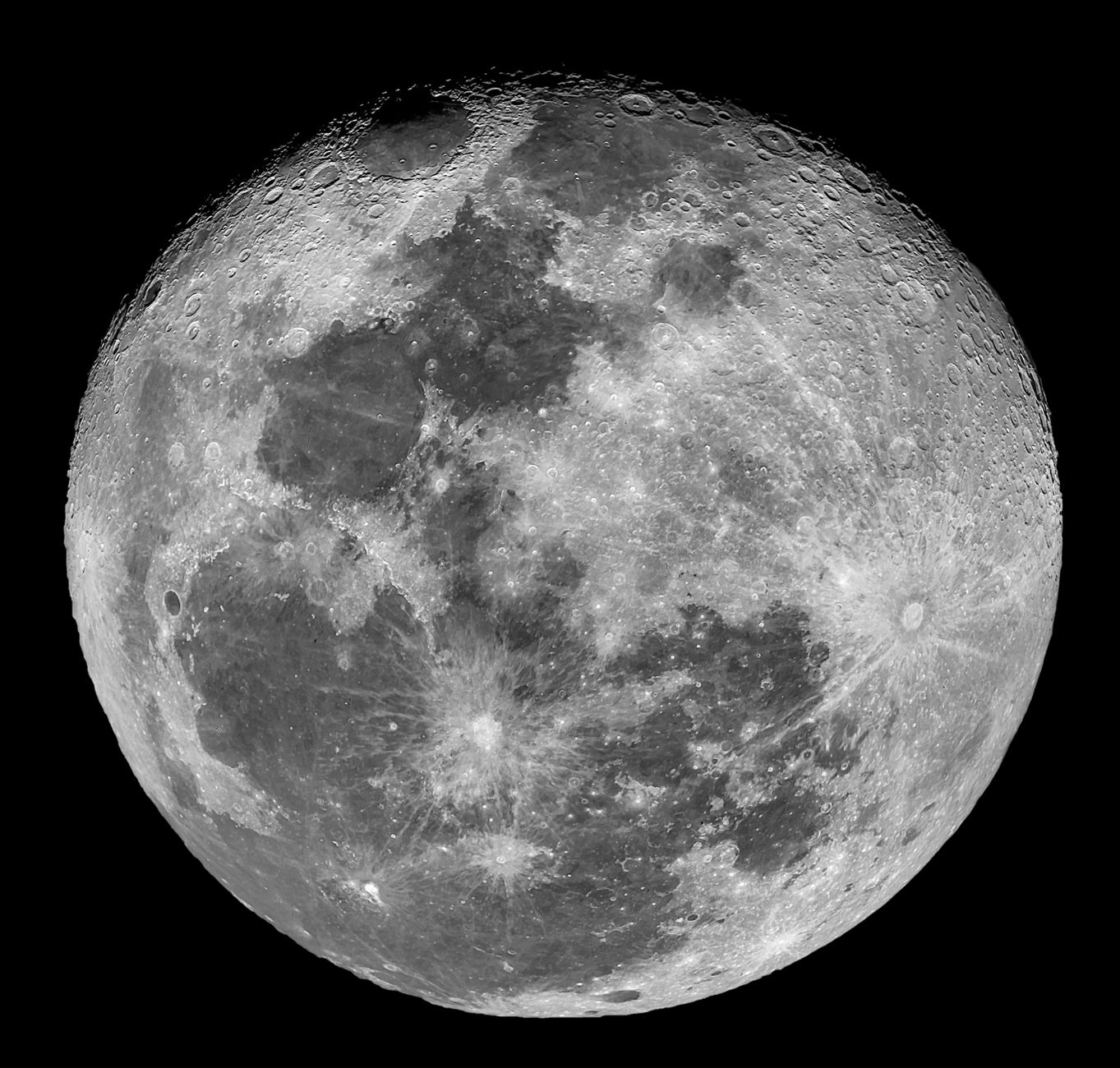
The nine candidate regions named in NASA’s October 2024 update for an Artemis III crewed landing are Peak near Cabeus B, Haworth, Malapert Massif, Mons Mouton Plateau, Mons Mouton, Nobile Rim 1, Nobile Rim 2, de Gerlache Rim 2, and Slater Plain. The list was refined down from thirteen regions NASA had identified in 2022.
Each region spans roughly 15 by 15 kilometers. Inside each box, the actual touchdown ellipse for a Starship-class lander is smaller still, on the order of 100 meters across.
The names sound abstract. The features are not. Shackleton Crater — adjacent to the de Gerlache Rim 2 candidate region — is approximately 21 kilometers wide and 4 kilometers deep, named after the Antarctic explorer, with a rim that catches almost continuous sunlight while its floor is one of the coldest places ever measured in the solar system. Malapert Massif is a mountain about 5 kilometers high — taller than anything in the contiguous United States — that sits in near-permanent daylight and has a clear radio line of sight to Earth. Mons Mouton Plateau, the broadest of the nine candidate regions, is large enough on its own to dwarf the other eight combined.
The ridge connecting Shackleton to de Gerlache sits just outside the Artemis III shortlist but has, in a real sense, become the most valuable real estate on the Moon: solar panels mounted on a mast there would generate power for much of the year. NASA has separately identified that ridge as the focal point for the long-term Moon Base program announced earlier this year.
The water question
NASA’s Volatiles Investigating Polar Exploration Rover, VIPER, was planned to drive into those shadowed pockets and find out exactly how much ice is there and in what form before the agency canceled the rover programme in July 2024. The science it was meant to settle has not gone away. Observations from the LCROSS impact in 2009 and the SOFIA telescope in 2020 confirmed water molecules exist in lunar soils. Nobody yet knows whether you can dig a shovelful and get a cupful of water back.
That distinction matters because the entire architecture of a long-term human presence depends on it. Water at the pole means rocket propellant — hydrogen and oxygen — produced on the Moon instead of hauled up from Earth at significant cost per kilogram. It means breathable air. It means radiation shielding.
If the ice turns out to be diffuse — a few percent by mass scattered through cubic meters of regolith — the economics of a lunar base change overnight. The site selection narrows even further.
A continent’s worth of nowhere
To appreciate how small the shortlist really is, consider the rest of the Moon.
The Apollo program landed six crews between 1969 and 1972, all of them in the equatorial belt where sunlight is reliable, temperatures swing predictably, and Earth sits high in the sky for easy communication. Tranquillity Base, where Armstrong and Aldrin set down Eagle, is thousands of kilometers from the south pole.
None of the Apollo sites would work for Artemis. They have no water ice, no permanent sunlight for power, and they are too far from the resources that make a sustained base possible. The entire equatorial near side, the part of the Moon you can see from your backyard, is essentially off the table.
So is the far side, which has no direct line of sight to Earth and would require a relay satellite for every radio call home. So is the north pole, which has similar lighting geometry to the south but appears to hold less water based on remote sensing.
What remains is a thin ring around the south pole, broken up by crater walls and shadow lines, where a handful of ridges and peaks satisfy every constraint at once.
The terrain itself
Photos returned by Lunar Reconnaissance Orbiter show a landscape that looks less like the rolling gray plains of Apollo footage and more like a battlefield of stone. Slopes of 10 to 20 degrees are common. Boulders the size of cars litter the rims. Shadows are absolute — not dim, but black, because there is no atmosphere to scatter light into them.
An astronaut walking from a sunlit ridge into a shadowed crater would step from a temperature of about 130 degrees Fahrenheit into one below minus 200, with no transition. Suit heaters and coolers will work harder there than anywhere humans have ever operated.
Firefly Aerospace was contracted to deliver drones that will fly into the permanently shadowed regions ahead of crewed missions, scouting routes that humans cannot scout themselves because no sunlight reaches the ground.
The $20 billion plan
NASA’s long-range proposal calls for roughly $20 billion to build out the supporting infrastructure: pressurized rovers, surface habitats, a small nuclear fission reactor to keep things running through the lunar night, and the logistics chain to move all of it from Earth orbit to the candidate landing sites.
The reactor matters because even at the best-lit ridge, the Sun does eventually set. When it does, temperatures collapse and solar power vanishes for days at a time. A 40-kilowatt fission surface power system, currently under development with Westinghouse and other contractors, would let a base ride through those darknesses.
Three new missions announced this year are aimed at delivering the first hardware to support that permanent presence before the end of the decade.
Why the shortlist will probably get shorter
The candidate list is a planning number, not a final answer. Artemis III is funded for one landing. Artemis IV and V are funded for one each. Each mission needs a single site, chosen well before launch based on the most recent lighting models, the most recent ice surveys, and the most recent assessment of which Starship variant can actually thread the touchdown ellipse.
Mons Mouton Plateau has drawn particular attention in mission-planning discussions because of its sheer size — flat enough, broad enough, and high enough for cumulative sunlight to power a base camp across multiple Artemis missions. Sites along the de Gerlache rim offer extended periods of cumulative sunlight per year, direct line of sight to Earth, and walking distance — by lunar standards — to permanently shadowed terrain inside Shackleton.
If one of the leading parcels proves out, much of the rest of the shortlist becomes academic. The first base goes there, and everything that follows clusters within a few kilometers of the first habitat, the first rover tracks, the first cache of spare oxygen tanks.
The competition for the best parcels is already shaping international policy. China has named its own south polar candidates near Shackleton for the planned Chang’e 7 and Chang’e 8 missions. Some of the Chinese sites sit near regions still under U.S. consideration. There is no treaty that resolves who gets there first or what arriving there first means in the absence of fences.
A continent’s worth of Moon, and the part that matters is small enough to walk across before lunch. Whoever lands first on one of these polar ridges will be standing on a few hundred meters of regolith that the rest of the twenty-first century’s lunar program is going to be built around.
The shadows will be longer than anything the Apollo astronauts saw. The Sun will sit on the horizon like a spotlight on a stage. And somewhere down inside Shackleton, in the dark that has held its breath for two billion years, there is — probably — enough water to make the trip worth taking.
