

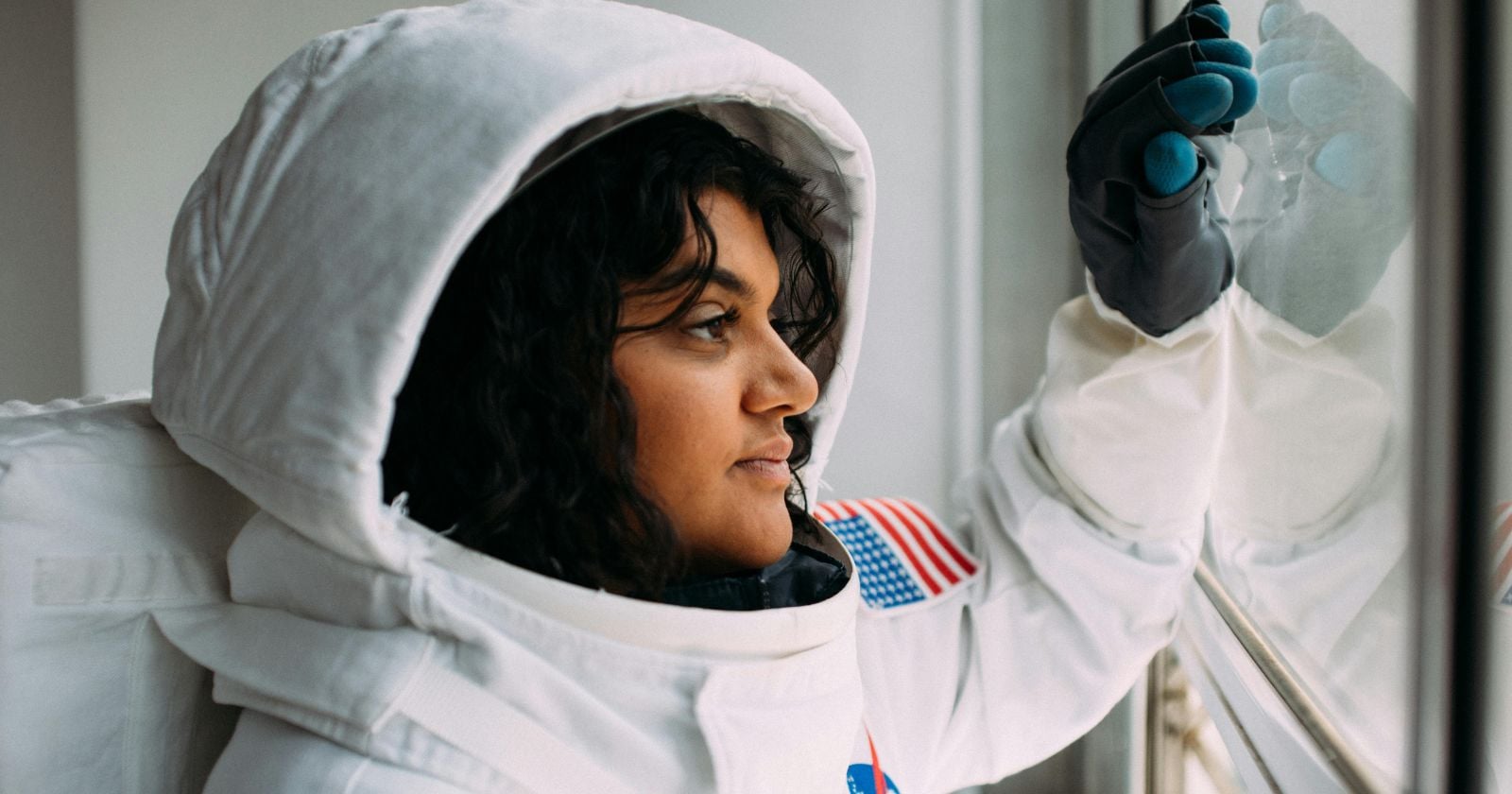
Victor Glover, pilot of Artemis II, described the Moon flyby in vivid terms, calling the view “sci-fi”. Crews who come home from long missions on the space station are reviewed afterwards by NASA’s Behavioral Health and Performance group, and meetings with the crew member and family begin about 18 months before flight.
What families are told
A 2009 MIT science-writing thesis, based on interviews with NASA flight surgeons and psychological support staff, reports that Walter Sipes, a leader in NASA’s Behavioral Health and Performance group, said his teams brief astronauts and their families on what to expect from re-entry long before they fly. Roles and responsibilities have shifted, families are told, and children may be confused or distant. It takes time to readjust, and they are told not to try to take control the minute they walk through the door. The thesis says the teams also email briefing notes to the astronaut and spouse just before the return. Astronaut Greg Chamitoff says there that he wished the group would meet spouses, rather than only sending slides, and that preparing a family for the return could be done a little better.
Checks after landing
A NASA briefing on care of returning crews describes the passage back from microgravity to 1G, Earth gravity, as Entry Adaptation Syndrome. It says a NASA flight surgeon treats, as typical re-adaptation issues, orthostatic intolerance, nausea, cardiovascular and muscular deconditioning, and neurovestibular impairment.
NASA’s Behavioral Health and Performance group schedules post-flight assessments at three days, 14 days, and 30 to 45 days after landing. The topics listed include personal satisfaction with the mission, family reintegration, and post-flight mood, anxiety and cognition.
That thesis also says NASA flight surgeons recognise a post-flight depression, which some astronauts call the “post-flight low,” and that they say it is common for both shuttle and station crews. Flight surgeon Jim Locke is quoted as saying that if astronauts ask about it, “we tell them it’s normal.” The thesis adds that there is no set plan to deal with it systematically. As the thesis gives Locke’s account, the mission itself is an adrenaline rush and then suddenly over, and after a few post-flight publicity rounds astronauts can feel left in the lurch.
The overview effect
The overview effect is the name writer Frank White gave to a shift in perspective that can follow from seeing Earth from space. His site says the first edition of his book on the subject was published in 1987. White later told NASA, on a podcast in 2019, that he began to form the idea before speaking to astronauts, by imagining the view back at Earth. What they told him, he said, was the difference between knowing there were no borders and seeing it: “it’s knowing intellectually versus experiencing it.”
A Scientific American analysis of Artemis II treats the overview effect as a kind of awe. Paul Piff, a psychologist who studies awe at the University of California, Irvine, describes it as the feeling of meeting “something so complex, so vast, that it transcends [our] understanding of the world.” The article reports that Artemis II astronaut Jeremy Hansen said, at a press event on April 8, that being in space had not changed his perspective about Earth: “When you see it from out here, it doesn’t change it; it just absolutely reaffirms that.” University of Chicago space historian Jordan Bimm says: “I worry that it’s one cultural interpretation that we’re mistaking for a natural phenomenon that would work the same for everyone.” William Shatner, after his Blue Origin flight in 2021, wrote that it was “among the strongest feelings of grief I have ever encountered.” The piece also describes a study of deep-sea saturation divers who reported a similar profound effect, which the researchers called the “underview effect.”
One astronaut’s first months home
Scott Kelly, after 340 days on the International Space Station, wrote about the first weeks home in an adaptation from his book Endurance. His skin burned where it had been against the bed. He put the rash down to a year in which his skin had not taken that kind of pressure, so that sitting or lying down set it off. The soreness in his muscles, joints and feet took several months to go. At dinner with his family, 48 hours after landing, he wrote: “Now that I’m finally here, it doesn’t seem entirely real.”
His identical twin, Mark, an astronaut, was the earthbound comparison in a study of the two of them through that year, down to the genetic level. In that 2017 adaptation, Kelly wrote that early results included differences in gene expression between the brothers, changes in their gut microbiomes, and changes in the lengths of their chromosomes.
On his own clock, the nausea eased after about a week, and the leg swelling and the rashes after about two. A 2021 review in CNS Spectrums says the first two weeks after return to Earth are a particularly critical period, in which negative effects on mood and performance can be expected from the change in gravity and in living conditions. Kelly told Texas Monthly that, on how long it takes to feel completely back to normal, physically and psychologically, after being in space for that long, “I’d say six to eight months.” He also wrote that, after a year in the controlled environment of the station, the choices of ordinary life — what to do, or not do — were almost overwhelming.