
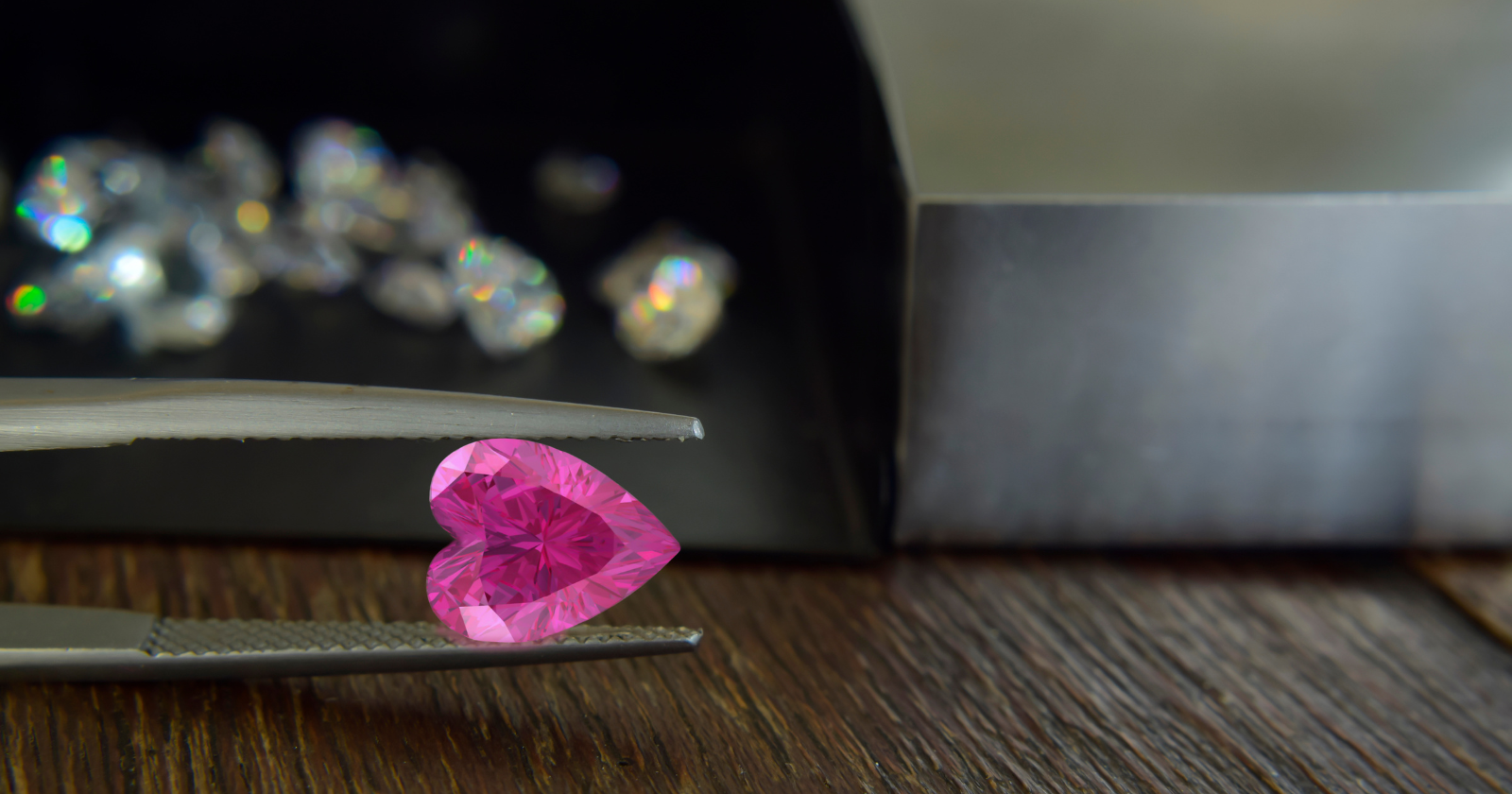
Miranda Kerr handed jewelry to the U.S. Department of Justice in 2017, including a heart-shaped pink diamond that had been given to her by Malaysian financier Jho Low, after federal investigators traced the gems to money allegedly siphoned from the Malaysian sovereign wealth fund 1MDB. The Australian model told prosecutors she had no idea the gifts were bought with stolen money and surrendered them voluntarily once the chain of custody was explained.
The heart-shaped pink diamond was reportedly purchased from New York jeweler Lorraine Schwartz. The rest of the haul Kerr returned — earrings, a pendant, a bracelet — pushed the total package toward what court filings described as a multimillion-dollar parcel of stones that had moved from Geneva safes to a model’s jewelry box to, finally, an evidence locker in Washington.
None of it would have been remarkable in the world of celebrity gifting if the money behind it had been clean. It wasn’t.
What 1MDB actually was
1Malaysia Development Berhad was a sovereign wealth fund set up by then–Prime Minister Najib Razak, ostensibly to drive long-term economic projects across Malaysia. U.S. prosecutors say billions of dollars were diverted out of the fund through a chain of shell companies, fake consulting fees, and forged bond documents.
The Department of Justice called it one of the largest kleptocracy cases it had ever brought. The money funded penthouses in Manhattan and London, a superyacht called the Equanimity, Picassos and Basquiats, and — improbably — much of the production budget for the 2013 Martin Scorsese film The Wolf of Wall Street, a movie about financial fraud.
At the center of the spending was Low Taek Jho, known as Jho Low, a young Penang-born financier with no formal title at 1MDB but enormous influence over how its money moved. He has denied wrongdoing and remains a fugitive, last reported to be living under Chinese protection.
How the diamond ended up around Kerr’s neck
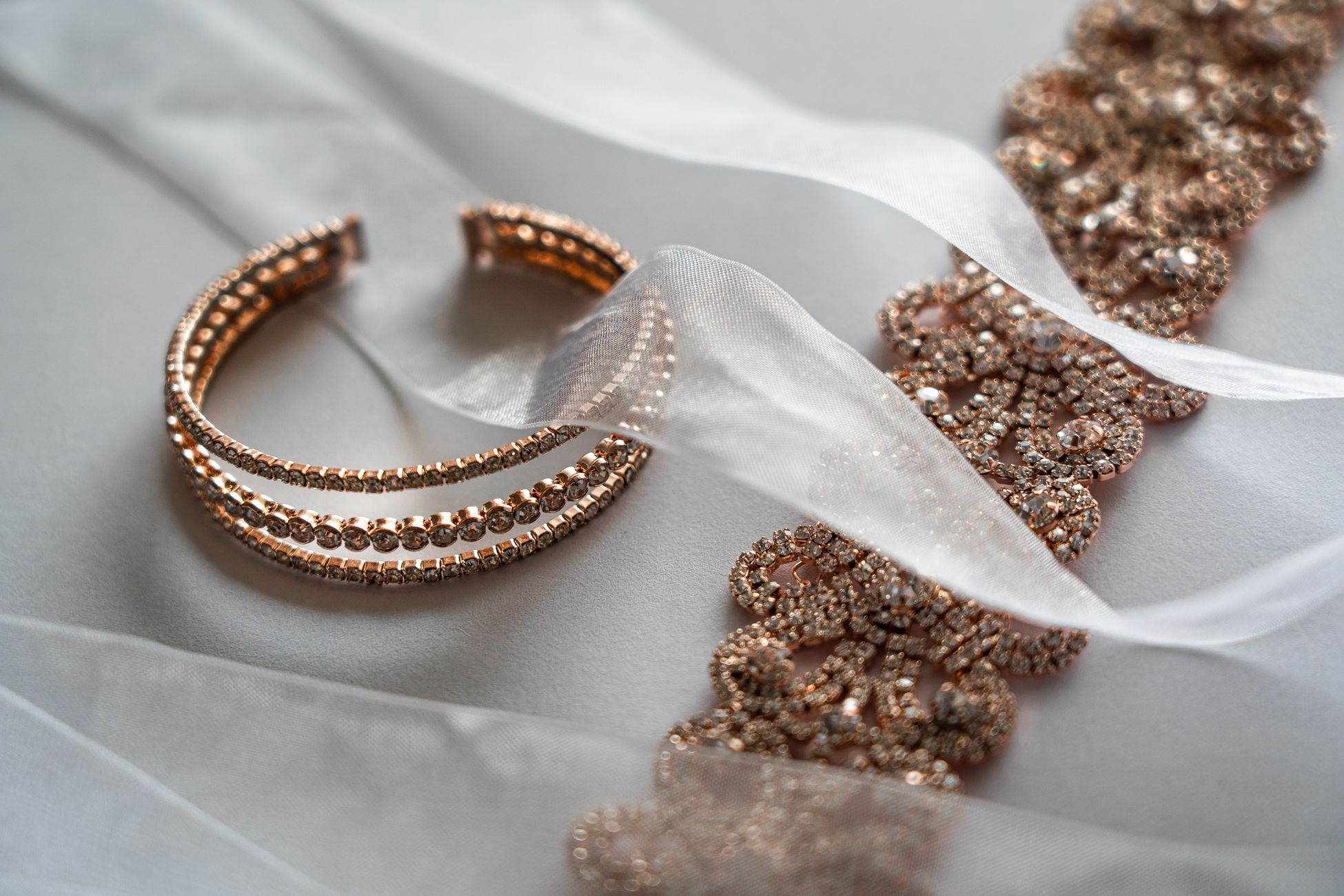
Kerr and Low met in the early 2010s. According to filings unsealed by the DOJ’s Kleptocracy Asset Recovery Initiative, Low gave her a series of high-end pieces from Lorraine Schwartz over several months — including earrings, a heart-shaped diamond pendant, and a diamond bracelet.
The heart-shaped pink diamond was the centerpiece. Pink diamonds of that size are vanishingly rare — the Argyle mine in Western Australia, which produced most of the world’s pink diamonds, shut down in 2020, and stones in the multi-carat range routinely sell for tens of millions at auction.
Kerr stopped seeing Low and married Snapchat co-founder Evan Spiegel in 2017. By the time the DOJ contacted her, the jewelry had been sitting in her possession for several years.
The Kleptocracy Initiative
The unit that came knocking was a specialized DOJ team launched to chase stolen foreign-government funds parked in U.S. assets. Its method is unusual: rather than waiting to extradite a suspect, it files civil forfeiture suits against the assets themselves — a yacht, a painting, an apartment, a diamond — and lets the property owner contest the claim.
That structure is why Kerr’s name appeared in court documents at all. The jewelry, not the model, was the legal defendant. Returning the pieces removed her from the proceeding entirely.
Actor Leonardo DiCaprio, who starred in The Wolf of Wall Street and had also received gifts from Low, separately handed over items including artwork. Both Kerr and DiCaprio cooperated; neither was accused of any wrongdoing.
What voluntary return actually means
The phrase voluntary disclosure carries specific legal weight in U.S. white-collar practice. Federal prosecutors offer reduced penalties — sometimes full non-prosecution — to individuals and companies that hand over assets or information before being formally charged. The IRS runs its own version, and recent reporting suggests the agency is trying to revive its Voluntary Disclosure Practice after years of low participation.
The Southern District of New York, which has handled many of the largest financial-crime cases of the past decade, recently formalized its own framework. In February 2026, SDNY announced a new corporate enforcement and voluntary self-disclosure program aimed at companies that come forward early with evidence of misconduct.
The Commodity Futures Trading Commission followed in May with a similar cooperation policy for commodities-market participants. The pattern is consistent across agencies: hand things over fast, and the penalty curve bends.
Kerr’s surrender of the jewelry in 2017 was the celebrity-shaped version of the same move.
Where the diamond went
The DOJ sold the returned 1MDB assets — including the Kerr jewelry, DiCaprio’s artwork, real estate in Beverly Hills and Manhattan, and the seized superyacht — and repatriated the proceeds to Malaysia. By the most recent DOJ accounting, substantial sums have been returned to the Malaysian government in what represents one of the largest civil-forfeiture recoveries in U.S. history.
The pink heart-shaped diamond was auctioned privately. Its current whereabouts are not public.
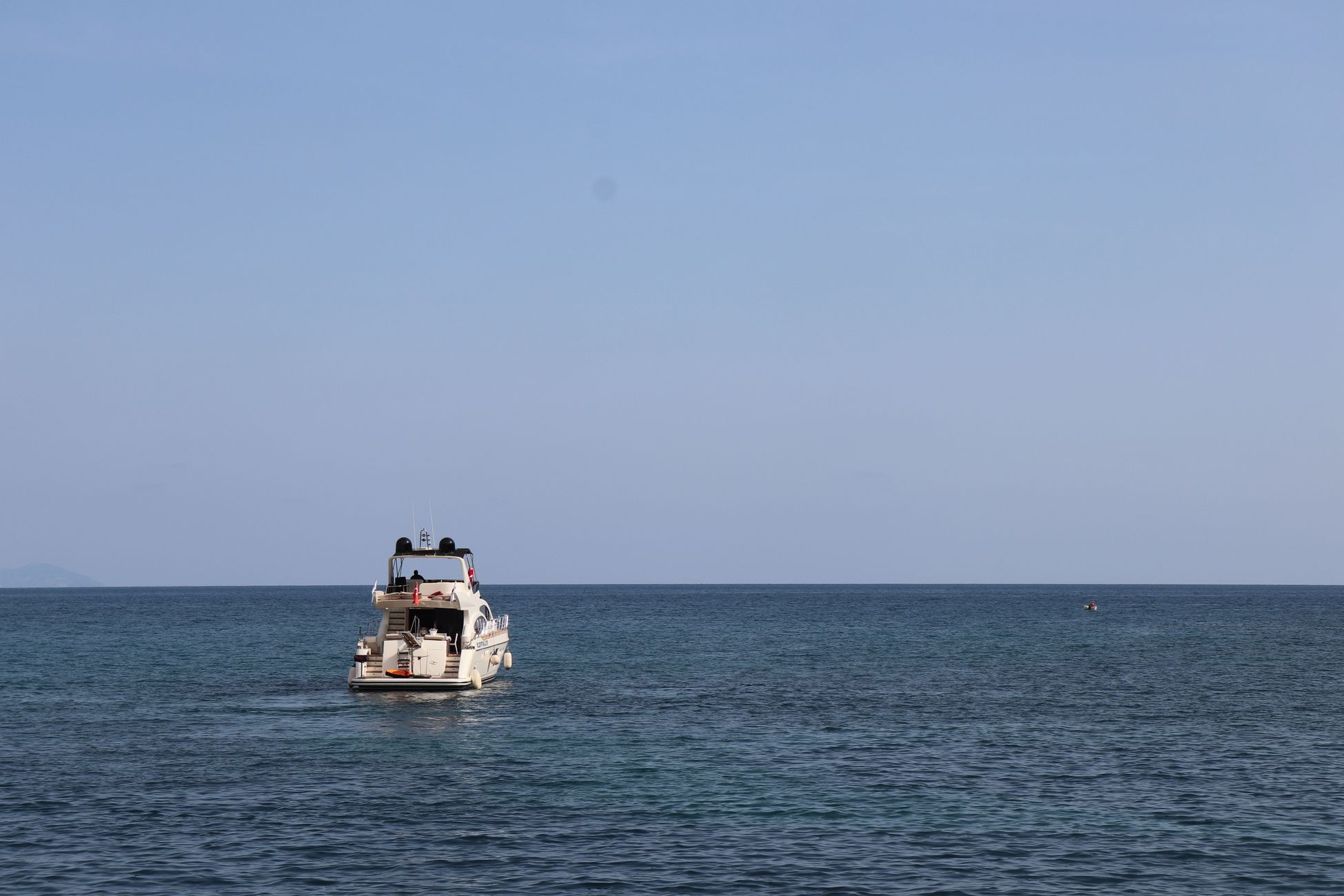
The Equanimity, the superyacht Low commissioned, was seized by Indonesian authorities at the DOJ’s request and sold to Malaysian casino operator Genting. It now sails under the name Tranquility.
The Najib trial and the verdict that followed
Najib Razak, the former prime minister at the center of the scheme, was voted out of office in 2018 after nearly a decade in power — an election upset driven in large part by public anger over 1MDB. He was convicted in 2020 on multiple charges including criminal breach of trust, abuse of power, and money laundering, and sentenced to prison.
Najib has continued to deny knowing the money was stolen, insisting Jho Low misled him. In 2024, his sentence was reduced by Malaysia’s pardons board, a decision that drew significant domestic criticism.
Goldman Sachs, which underwrote bond issuances for 1MDB, paid billions of dollars in settlements to the Malaysian government and pleaded guilty in 2020 to violating the Foreign Corrupt Practices Act. Its Malaysian subsidiary pleaded guilty to conspiracy to bribe foreign officials.
Why the case still matters to compliance officers
1MDB has become a kind of teaching case for bank compliance teams, partly because the money moved through so many supposedly well-monitored institutions before reaching jewelers, art dealers, and yacht brokers. Modern anti–money-laundering programs lean heavily on transaction monitoring, beneficial-ownership checks, and what compliance specialists call enhanced due diligence on politically exposed persons.
The next phase, industry analysts argue, will be heavier use of AI for pattern detection. A recent Compliance Week piece describing how banks will stay ahead of financial crime in 2026 argues that real-time analytics and behavioral models are replacing the old rules-based screens that 1MDB-era transactions slipped through.
That shift creates its own problem: opaque models that flag transactions without showing their work. Financial regulators have started pressing institutions to use systems that can explain a decision in human-readable terms, a push that one Forbes Technology Council piece frames as the need for transparent, trustworthy AI in financial decision-making.
Jho Low, still missing
Low himself has never been arrested. U.S. prosecutors indicted him on money-laundering and bribery charges. Malaysia and Singapore have also issued warrants. He is widely reported to be living in Shanghai or Macau, and a 2019 Wall Street Journal book co-authored by reporters Tom Wright and Bradley Hope, Billion Dollar Whale, documented his attempts to maintain a luxury lifestyle in transit between safe jurisdictions.
In 2019, he agreed to a civil settlement with the DOJ to forfeit hundreds of millions of dollars in assets — without admitting wrongdoing — including a Bombardier jet, a Beverly Hills hotel stake, and various real estate parcels.
The detail that lingers
Kerr’s handover is, in dollar terms, a rounding error against the billions the DOJ traced. The heart-shaped diamond was one of thousands of objects that money bought before it was caught.
What it captures is the geometry of modern financial crime — stolen sovereign wealth becoming a stone, the stone becoming a gift, the gift becoming evidence, the evidence becoming a wire transfer back to the country it came from. The diamond moved through Geneva, New York, Los Angeles, and Washington before its proceeds settled, eventually, back in Kuala Lumpur.
Somewhere it is being worn again, by someone who probably doesn’t know where it has been.
