

Kathleen Vohs, a consumer psychologist at the University of Minnesota’s Carlson School of Management, ran a small experiment that has been quietly rearranging how organisational psychologists talk about desks ever since. She sat one group of volunteers in a spotless room — papers squared, pens aligned, floor uncluttered — and another in an identical room deliberately strewn with loose paper, stray office supplies, and general disorder. Both groups were then handed a ping-pong ball and asked to come up with as many new uses for it as they could. The messy-room participants produced ideas that independent judges rated as significantly more creative and interesting than the ideas from the tidy room.
The ping-pong ball was the punchline. The room was the variable.
Vohs published the finding in Psychological Science in 2013 under the title “Physical Order Produces Healthy Choices, Generosity, and Conventionality, Whereas Disorder Produces Creativity.” The paper reported three experiments. The ping-pong study was the second, and it became the one everyone remembered.
The setup, in detail
Adults were recruited and told they were helping a manufacturer brainstorm alternative uses for a product. Half were led into a workspace that had been carefully tidied. Half were led into a room where the same furniture and supplies had been scattered — files half-open, papers overlapping, the visual noise of a workspace mid-task.
Each participant sat alone. Each was given ten minutes. Each was handed a standard white ping-pong ball and asked to write down every use they could think of, however unusual.
The lists came back roughly the same length. Roughly the same word count. Roughly the same number of ideas.
What differed was the character of the ideas.
What the judges saw
Independent raters, blind to which room each participant had sat in, scored every idea for creativity. The tidy-room lists leaned toward the expected: use it in a game of beer pong, use it as a cat toy, float it in a bathtub. The messy-room lists drifted further out: use the ball as an ice-cube mould, hollow it and turn it into a bell-clapper, string a set of them together as a light-pull chain, use the halves as tiny paint cups.
When Vohs and her co-authors averaged the ratings, the messy-room group scored higher on creativity — their ideas rated, on average, about four-tenths of a point higher on a three-point scale, with more ideas landing at the top of the scale even though both groups produced roughly the same number overall.
Same ball. Same instructions. Different room. Different mind.
Why disorder might do this
Vohs’s interpretation was cautious and specific. Physical order, she argued, primes people toward convention — the safe choice, the expected answer, the socially approved behaviour. Physical disorder does the opposite. It signals that the usual rules of the room are suspended, and the mind loosens its grip on the standard script.
The other two experiments in the paper supported the interpretation from opposite directions. In one, people seated in a tidy room were more likely to donate to charity and to choose an apple over a chocolate bar when offered a snack on the way out. In another, tidy-room participants preferred a menu item labelled “classic” while messy-room participants gravitated toward one labeled “new.”
The pattern held across all three studies. Order pulls toward the conventional. Disorder pushes toward the novel.
The Einstein desk defence
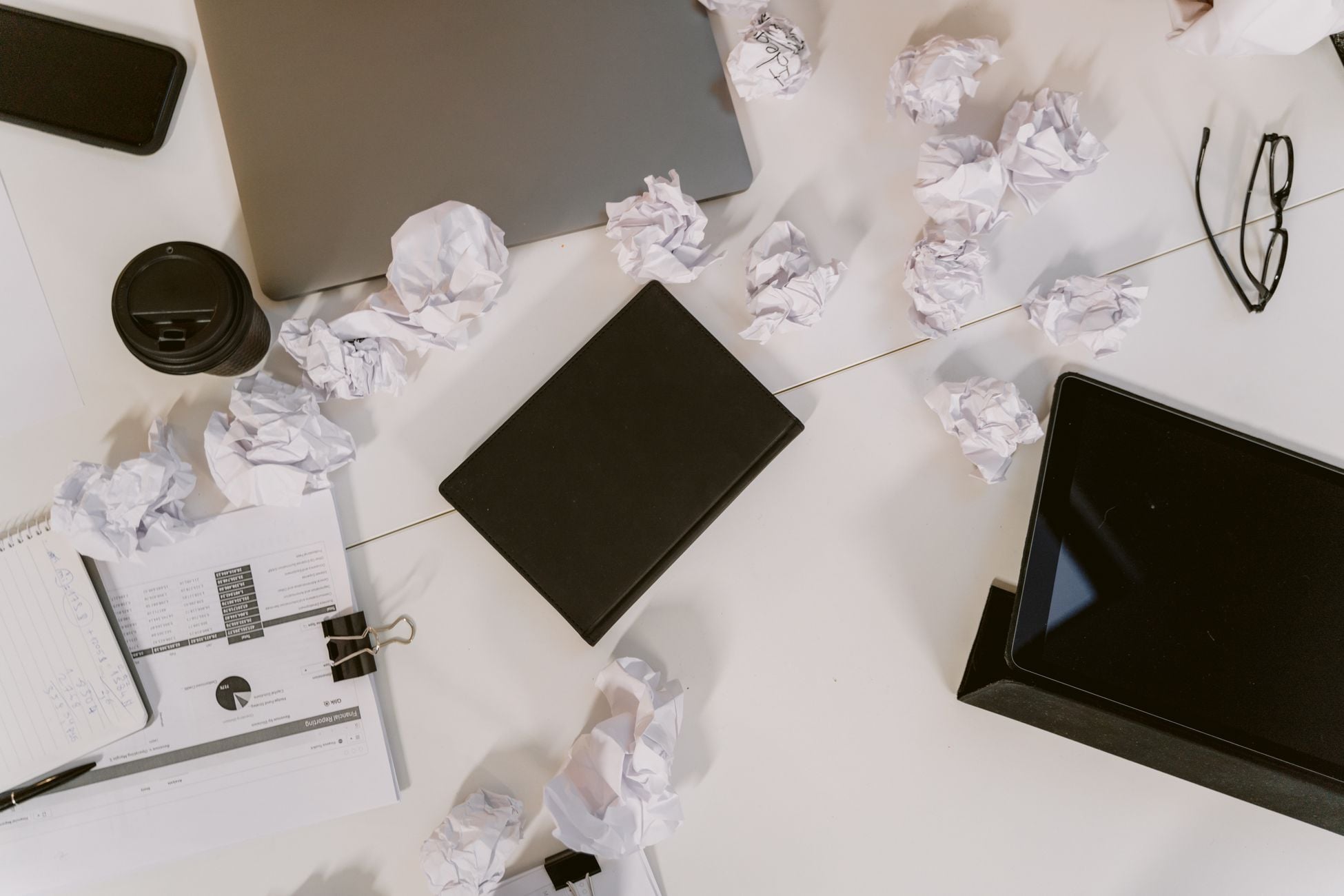
The finding landed in the middle of a long-running argument about workspace design. Albert Einstein is often quoted — probably apocryphally — as asking, “If a cluttered desk is a sign of a cluttered mind, of what, then, is an empty desk a sign?” The Vohs study didn’t settle the argument so much as give one side a citation. It became, almost immediately, the paper that messy people forwarded to their tidier colleagues. Popular media outlets wrote it up in 2013. “Being messy at work makes you more creative,” ran one headline. That wasn’t quite what the paper said. The paper said the room, not the person, shifted the output.
The catch nobody put in the headline
Tidy rooms won on the other measures. People in the ordered space were kinder, healthier in their food choices, and more generous with their money. If you wanted volunteers to donate to a food bank or choose fruit for a snack, the clean room outperformed the messy one by a wide margin.
So the finding wasn’t a licence for chaos. It was a finding about trade-offs. Clean rooms make people behave. Messy rooms make people wander.
Which one you want depends on what the room is for.
What replication has and hasn’t shown
The Vohs paper appeared during what psychologists call the replication crisis — a period when many classic social-psychology findings failed to reproduce at the effect sizes originally reported. The Vohs disorder study has held up better than many of its contemporaries, but it has not been replicated at scale, and the effect sizes in the original paper were modest.
What survives is the direction, not the magnitude. The ping-pong result has been widely cited, and subsequent work on environmental cues and cognitive style — including on ceiling height, ambient noise, and lighting — has broadly supported the idea that the physical space around a task changes how the task gets done.
Not by transforming the thinker. By nudging the thinking.
Open offices, home desks, and the pandemic reshuffle
The finding took on a second life during the pandemic, when tens of millions of white-collar workers moved from tidy corporate offices to kitchen tables piled with mail, kids’ homework, and yesterday’s coffee cup. Design writers revisited Vohs. So did managers trying to explain why their teams seemed, in some measures, more inventive when working from cluttered home setups than from immaculate open-plan floors.
The tension runs through the study itself: a workplace optimised for cleanliness may be optimising against creative output without realising it. A room that looks like a magazine spread signals that the occupant should behave like a magazine model. A room that looks lived-in signals that anything might happen next.
The ping-pong ball as instrument
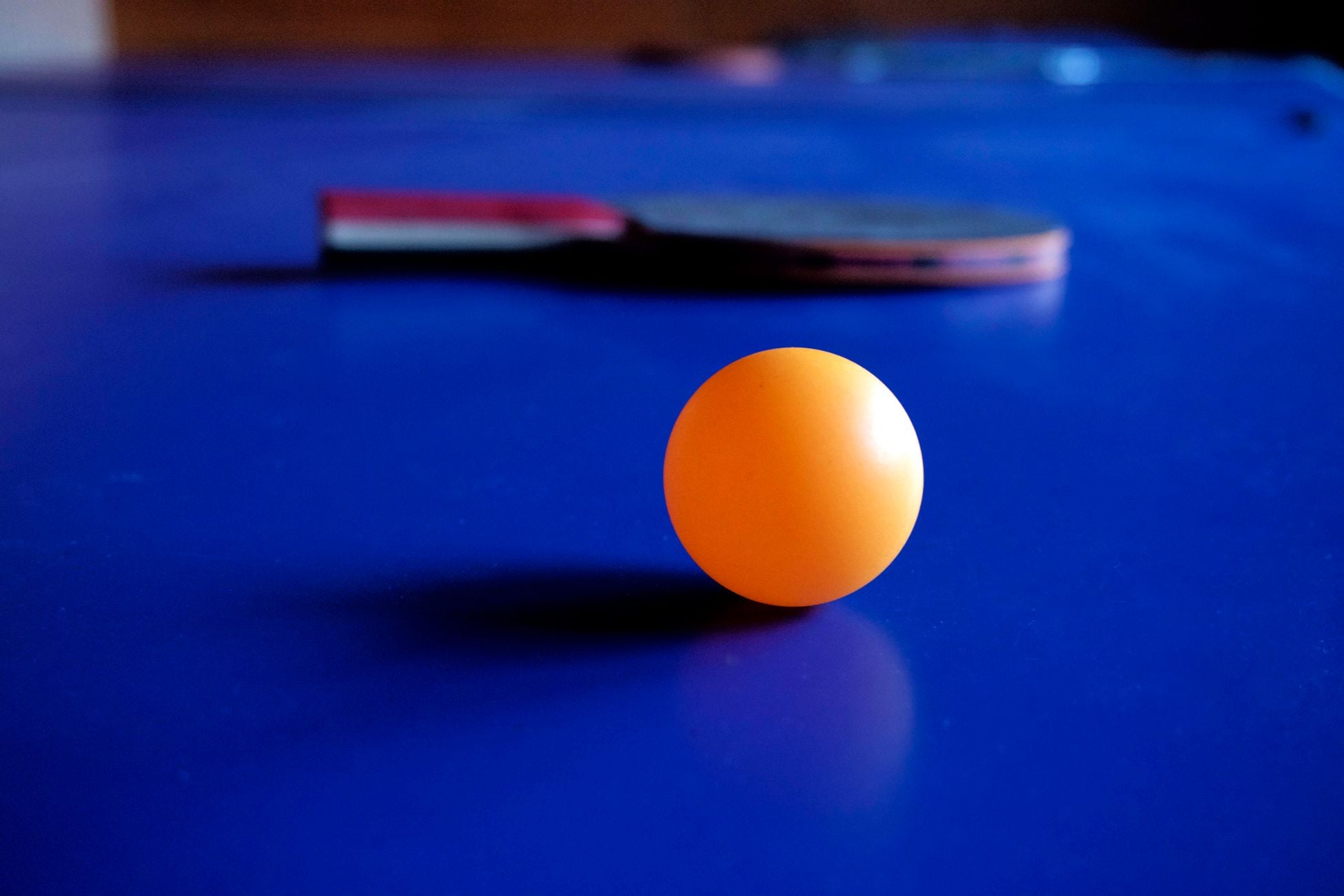
The ball itself was chosen for a reason. Psychologists have used what they call the Alternative Uses Task as a measure of divergent thinking — the ability to generate many different ideas from a single prompt. Bricks and paper clips are the classics. Vohs picked a ping-pong ball because it was ordinary enough that most people had held one, small enough to sit on the desk, and neutral enough that it didn’t prime any obvious category of use.
A ball is a ball. What people did with it depended on what the walls around them had already whispered.
The finding in one line
Clean spaces make people follow the rules. Messy spaces make people bend them.
Vohs’s ping-pong volunteers didn’t know they were being studied for anything more than product brainstorming. They saw a ball. They saw a room. They sat down and wrote what came to them.
And the room, without saying anything at all, did half the writing.
Somewhere in the University of Minnesota archives, the original lists still exist — sheets of paper, half of them tidy, half of them not, each one carrying a small piece of evidence that the surface you set your work on is already a collaborator in what the work becomes.