
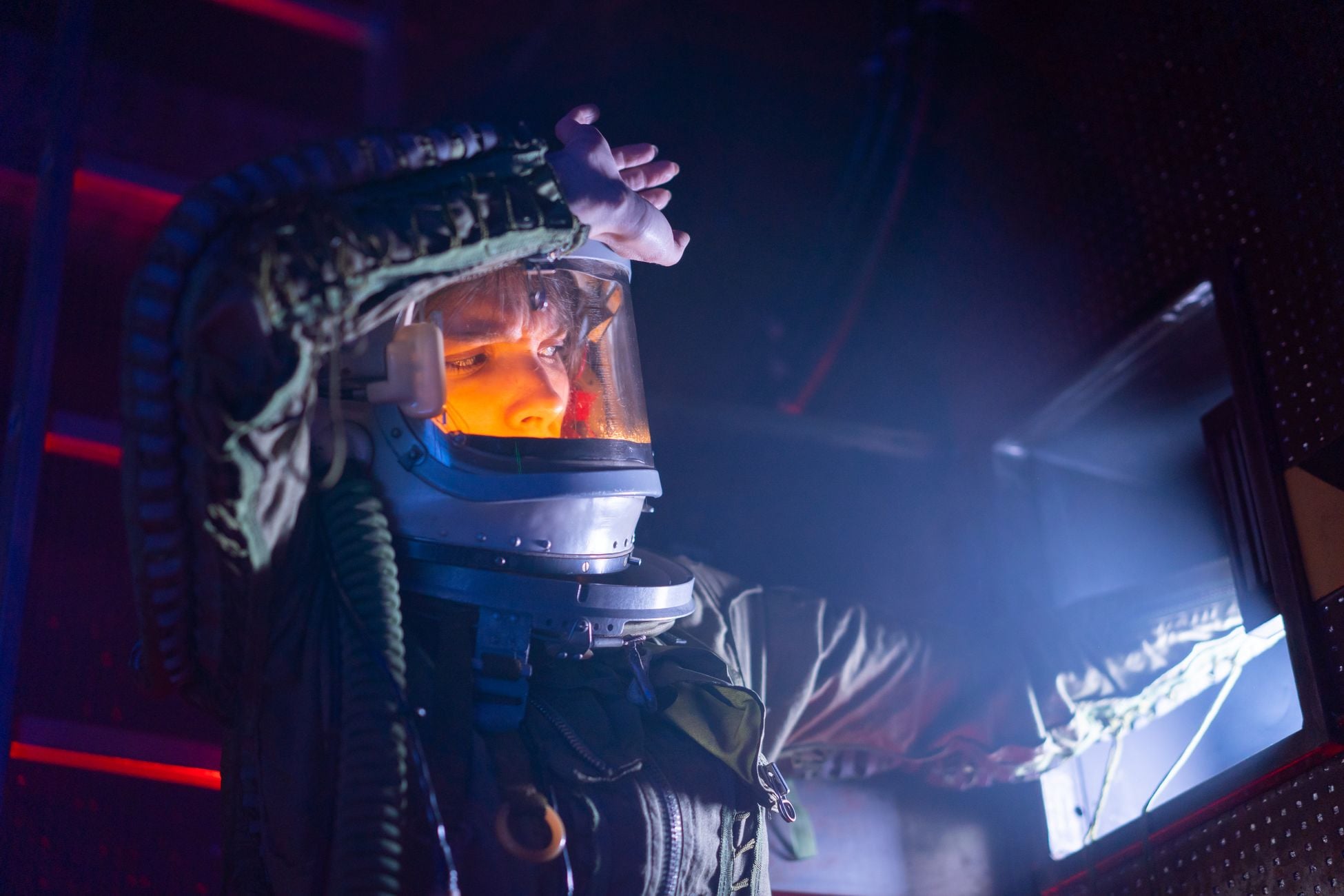
Scott Kelly stepped out of the Soyuz capsule in the Kazakh steppe after 340 days aboard the International Space Station, and within a week he was telling reporters that the sensory experience of Earth — grass, rain, ordinary air — was overwhelming. His skin burned where he sat on ordinary furniture. Driving felt wrong — like operating a machine at a slight remove, as if the car were a rover and the road a simulation being fed to him through the windshield.
Kelly is not unusual. He is the pattern.
Every astronaut who spends more than a few months in orbit comes back describing some version of the same disorientation. Rain smells overwhelming. Fabric feels abrasive. Familiar streets feel piloted rather than driven. The Earth their bodies evolved for has become, briefly, a foreign planet their nervous system is re-learning in real time.

What the nose forgets in orbit
The ISS has a smell — a mix of ozone, machine oil, sweat, and the faint burnt-metal tang that astronauts say clings to spacewalk suits when they cycle back through the airlock. Astronauts have described it in vivid terms — comparisons to seared steak, or a metallic, almost sweet sensation. What the station does not have is weather, wet soil, cut grass, ocean salt, pine, or any of the tens of thousands of volatile organic compounds a human nose calibrates itself against on the ground.
Six months of that, and the olfactory bulb resets its baseline. When a returning crew member steps into a Kazakh field or a Houston backyard, the input floods a system that has been listening to a whisper for half a year.
Chris Hadfield has said that fresh food after landing — the taste of an apple, sweet and acidic and floral all at once — felt almost overwhelming.
The car that feels like a rover
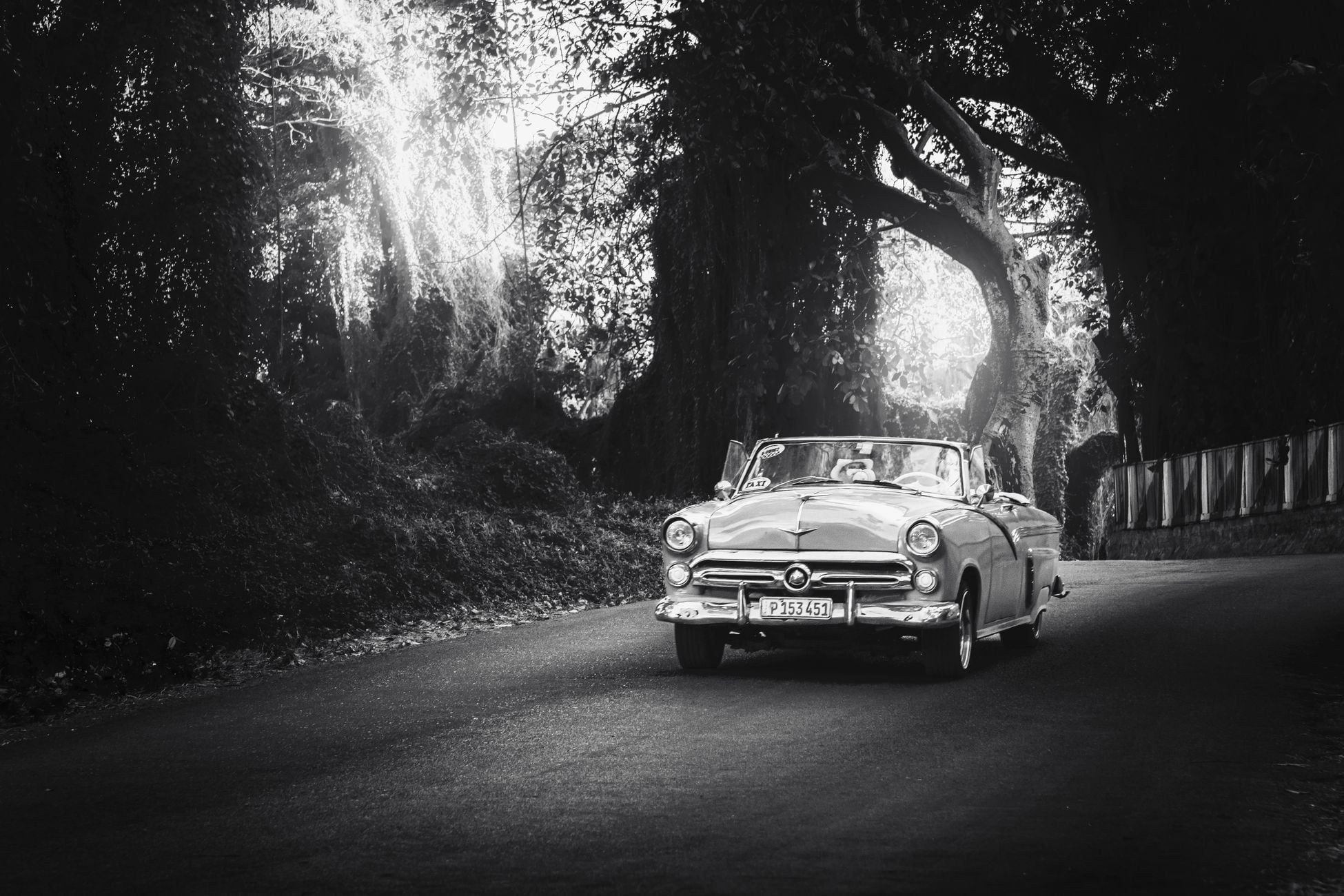
The driving effect is stranger, and it is not really about the car.
In microgravity, the vestibular system — the fluid-filled canals in the inner ear that tell the brain which way is down — stops receiving the gravitational cue it has used since birth. The brain adapts. It leans harder on vision and on the pressure signals from the soles of the feet. It rewires how it fuses those inputs into a sense of self-in-space. And when the astronaut returns, that rewired system does not snap back. It has to relearn Earth.
Recent research suggests that astronauts in orbit grip objects as if the objects still weigh what they would on Earth — the brain never fully accepts that a wrench floating in front of it is effectively weightless. The inverse happens on return. Motor commands overshoot. A coffee cup lifted too fast slops onto the table. A steering wheel turned by a hand that has spent a year gripping ISS handrails feels like it is being operated by remote control.
The car moves. The road passes. But the loop between intention and feedback is running a fraction of a second slow, and the astronaut experiences it as piloting — the way a drone operator flies a quadcopter through a screen.
Why the skin turns against them
Six months without gravity means six months without anything pressing against the body except the light contact of clothing and the occasional push-off from a bulkhead. Skin becomes exquisitely sensitive. Astronauts have reported that the seams of a T-shirt, the tag on a collar, the elastic of a sock — details their pre-flight body ignored — become intolerable in the first weeks back.
The soles of the feet are the extreme case. In orbit, the calluses fall off. New skin grows in soft and pink, unaccustomed to weight. NASA flight surgeons have described crew members wincing on carpet, wearing slippers indoors for weeks, walking heel-to-toe like a child learning the motion. The lower back protests too, the spine suddenly compressed under its own weight after months of floating an inch or two taller than it should be.
The brain that half-remembers Earth
The BBC catalogued the neurological changes long-duration crews carry home: the pituitary gland deforms, cerebrospinal fluid pools around the optic nerve, the ventricles enlarge, and gray matter shifts in ways that MRI scans can still detect months after landing. Some of it reverses. Some of it does not fully reverse in the timeframes researchers have measured.
The subjective experience of all this is what astronauts try, with varying success, to describe to reporters and to their families. The world feels not quite theirs. The rain smells too green. The wife’s perfume is too loud. The stairs at home require conscious negotiation.
Kelly has described in interviews the overwhelming sensory experience of returning to Earth — cold water, grass, pressure, and gravity arriving all at once through a nervous system that had been dark to those channels for nearly a year. He has repeated in interviews since that leaving Earth was easy compared to arriving back on it.
The observer sensation
Layered on top of the sensory recalibration is something crews find harder to name. Many describe a feeling of watching themselves from just outside their own bodies for weeks after return — driving the car, hugging the child, sitting at the dinner table, but doing it all from a half-step behind their own eyes. This persistent observer sensation — the feeling of watching their own lives from a half-step outside the frame — is part of the re-adaptation experience.
It fades. Most crews report feeling largely themselves again within a month or two. But the residue lingers longer than the medical timeline suggests it should. Astronauts returning from extended missions have described taking months to stop reaching for handholds that were not there.
One year, and now longer
The reason any of this matters beyond a curiosity file is that missions are getting longer. On May 24, 2026, China launched three astronauts to its Tiangong space station, one of whom is slated to remain in orbit for a full year — the longest single flight in Chinese human spaceflight history, and part of an explicit program to study the physiology of long-duration crews ahead of a planned 2030 lunar landing.
A Mars transit, at current propulsion levels, would take roughly six to nine months each way with a stay of over a year in between. That means the crew that first steps out onto Martian regolith will have been away from Earth’s smells, textures, gravity, and weather for something on the order of two and a half years. Their return, whenever it comes, will be the most extreme sensory homecoming any human has ever attempted.
Rain on a spacesuit visor
Astronauts who have spent extended time in orbit consistently describe weather as one of the most missed experiences — the specific unpredictability of it, wind on the face, a storm rolling in. The first rain after return can be a profound moment, the sound of drops on a roof, the smell of wet concrete, the temperature of a cold droplet running down the neck.
The nervous system that had spent 200 days in a climate-controlled aluminum tube had nothing to compare it to. It arrived as new information.
That is what the returning crews are describing, over and over, in slightly different words. Earth, for a little while, becomes a place they are visiting. The rain is too much. The road drives itself. And somewhere in the second month back, sitting on a porch or a curb or the edge of a bed, the planet quietly clicks back into place as home.