

Frieda Caplan, the Los Angeles produce wholesaler who would later become the first woman to own and operate a produce company on the all-male LA Wholesale Produce Market, helped introduce kiwifruit to American consumers. Her company traces that story to 1962, when she brought in fuzzy brown kiwifruit from New Zealand, still remembered by its earlier export name: Chinese gooseberry.
By then, New Zealand growers had already decided the old name was a problem. The fruit had been sitting under a different English name for decades, and that name carried two commercial headaches at once. “Gooseberry” made US importers worry about berry and melon tariff categories. “Chinese” made the fruit harder to sell in Cold War America. In 1959, Turners and Growers changed course. Chinese gooseberries would be exported as kiwifruit.
The story is one of the cleanest case studies in food history of a product being given a second life by its name.
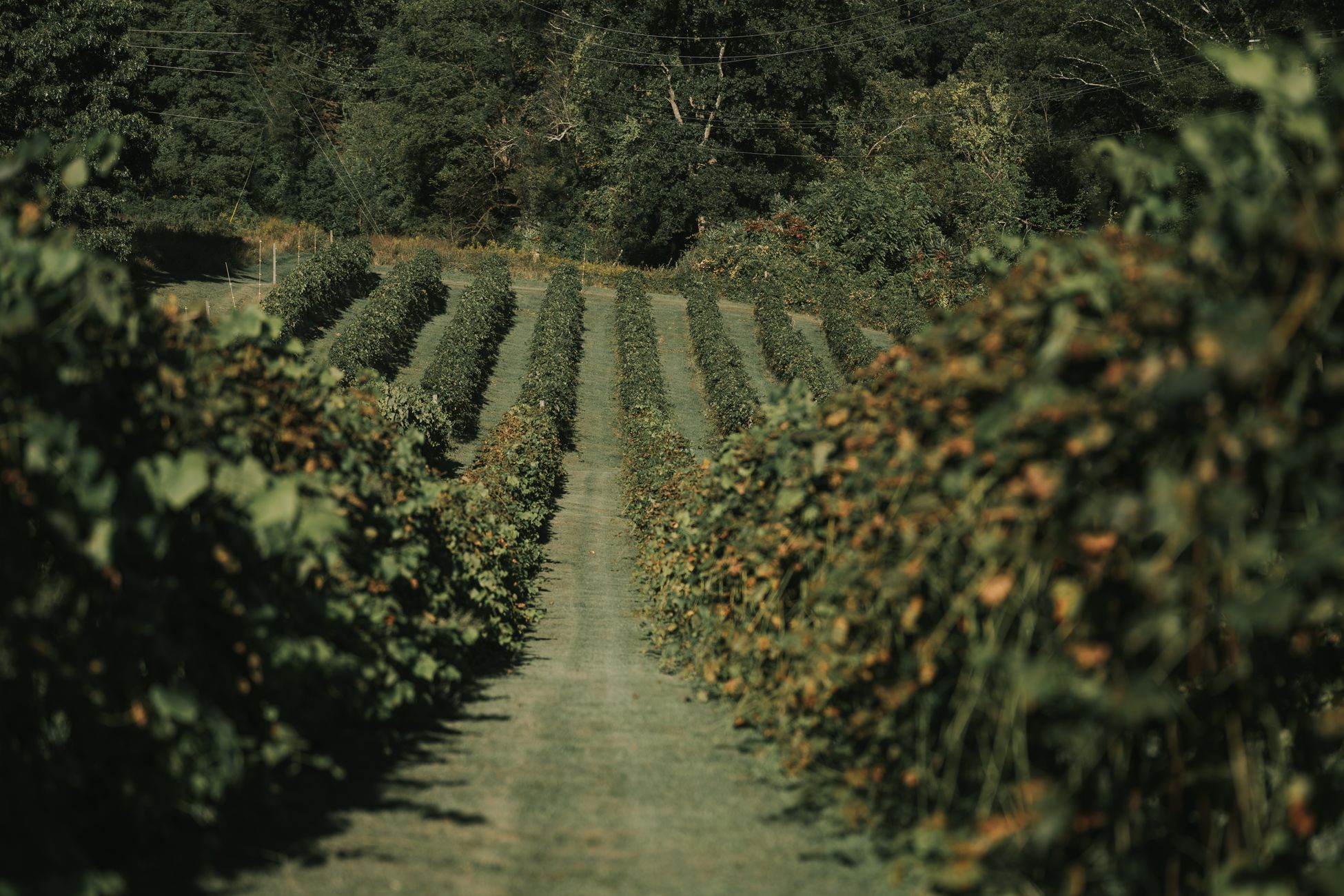
A Yangtze valley vine, taken south
The plant itself, Actinidia deliciosa, is native to China, where it grew as a climbing vine and was known by names including mihoutao and yang tao. It was not born in New Zealand. New Zealand turned it into an export crop.
In 1904, a New Zealand schoolteacher named Mary Isabel Fraser returned from China with seeds of Actinidia deliciosa. The Dictionary of New Zealand Biography records that Fraser had visited mission schools and Ichang, then brought the seeds back to Whanganui, where nurseryman Alexander Allison grew plants from them. The vines first fruited a few years later, and from that experiment the New Zealand kiwifruit industry developed.
The gooseberry problem
New Zealand growers called the fuzzy green-fleshed fruit the Chinese gooseberry. The name was botanically wrong, since the fruit is not related to true gooseberries, but it stuck through the early decades of cultivation as orchards in the Bay of Plenty began turning the vine into a commercial crop.
The export problem surfaced after the Second World War. American grocery buyers were beginning to warm to unfamiliar produce, and New Zealand exporters saw a market. The name got in the way. According to New Zealand History, published by Manatū Taonga, the Ministry for Culture and Heritage, the Cold War made “Chinese gooseberry” a marketing nightmare. The attempted replacement, “melonettes,” also ran into resistance because melons and berries were subject to high import tariffs.
That distinction matters. The fruit was not renamed because everything Chinese automatically faced the same US tariff. It was renamed because the old label carried a double burden: it sounded like a tariff-sensitive fruit category and it carried a country signal that was commercially awkward in 1950s America.
The meeting at Turners and Growers
In June 1959, executives at the Auckland-based produce exporter Turners and Growers settled on a new export name. Te Ara, the Encyclopedia of New Zealand, gives the sequence plainly: Chinese gooseberry became melonette, then kiwifruit, in 1959.
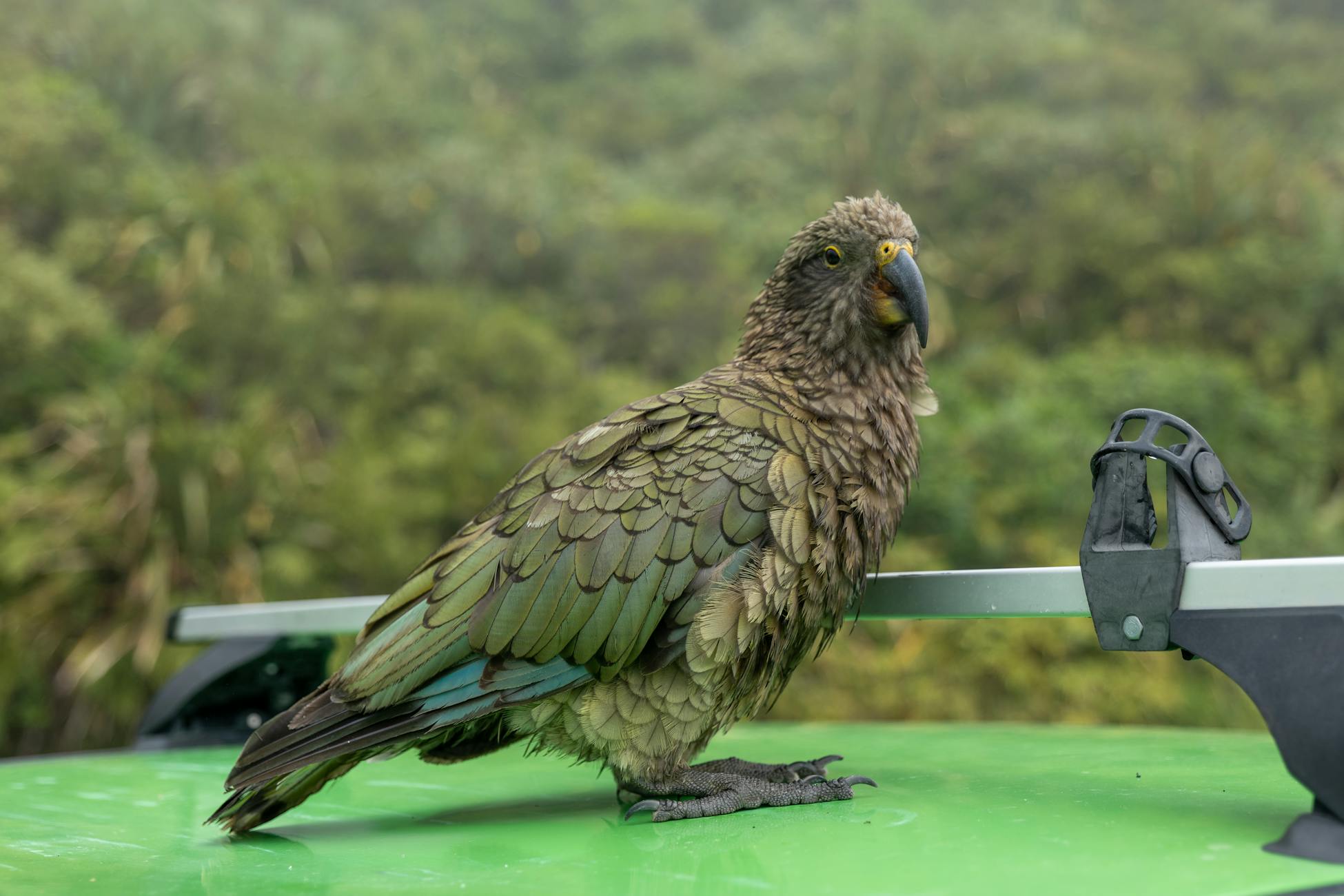
The kiwi, a small, nocturnal, flightless bird endemic to New Zealand, was already an informal national symbol. New Zealand soldiers had been known as Kiwis, and the bird’s brown, hair-like feathers gave the name a visual logic. The fruit was small, brown, and fuzzy. It looked, at least in the imagination of exporters, like something that could belong to the same country as the bird.
The new name did three things at once. It detached the fruit from the word “Chinese.” It moved the conversation away from gooseberries. And it wrapped the crop in an unmistakably New Zealand identity.
How a rename moves a market
The kiwifruit rebrand is now remembered as a rare naming move that changed the fate of a crop. The underlying fruit did not change. The crates, the sales pitch, and the mental picture around it did.
That is why the story still travels through marketing and food-history circles. Product names are not decoration. They tell shoppers where a thing belongs, what category it sits in, and whether it feels strange, safe, premium, cheap, local, foreign, fashionable, or risky. Chinese gooseberry sounded obscure and slightly awkward. Kiwifruit sounded short, bright, and tied to a country with a cleaner export identity.
By the 1970s, New Zealand kiwifruit exports were expanding, and the name had moved from a workaround into a category. Te Ara notes that kiwifruit soon became the standard name in horticultural circles. New Zealand History adds that China was the world’s leading producer of kiwifruit in 2023, followed by New Zealand, Italy, Greece, and Iran, a neat reversal for a fruit that began in China, was commercialised by New Zealand, and then returned to the world under a New Zealand-made English name.
The trade-policy backdrop
The tariff environment that pushed the rename was unusually sensitive by modern standards, but the broader pattern has not disappeared. Companies still adjust sourcing, category language, and country-of-origin signals when trade policy changes. After a Trump-Xi summit in Beijing in May 2026, Reuters, via Channel NewsAsia, reported that China and the United States had agreed to expand agricultural trade through tariff reductions and work on market-access barriers.
That does not make the kiwifruit rename a perfect template for modern tariff engineering. It makes it an early, unusually vivid example of something businesses still understand: names can move goods across borders more smoothly when politics, category rules, and consumer perception all collide.
The fruit itself
A ripe kiwifruit is roughly egg-sized, with thin brown skin covered in fine hairs. Inside, the flesh is green or gold, depending on the cultivar, and filled with tiny black seeds arranged around a pale core. The familiar green commercial fruit was long associated with Actinidia deliciosa, while yellow-fleshed types are associated with Actinidia chinensis.
The plant is a vigorous climber. Commercial orchards grow the vines on trellises, with male and female plants managed together because kiwifruit species are dioecious, meaning male and female flowers are borne on separate plants. Pollination, often by bees, becomes part of the orchard system rather than a background detail.
The gold variant and the long shadow of the name
Later, New Zealand breeders and marketers developed yellow-fleshed cultivars with smoother skin and a sweeter flavour profile. The gold fruit did not depend on the same visual resemblance to the kiwi bird. It did not need to. By then, “kiwifruit” had become the category.
The pattern of food and beverage rebranding has only accelerated. FoodNavigator reported in 2025 that rebranding was sweeping through the food and beverage sector, from Pepsi to Pringles, as companies tried to refresh how shoppers saw familiar products. The kiwifruit story is older, stranger, and more agricultural, but it belongs to the same basic instinct. If the name is blocking the sale, change the name.
For taxonomists, the story has a quieter coda. Scientific names still matter. Commercial names do something else. In the supermarket, the fruit is not a Chinese gooseberry, a melonette, or a climbing-vine berry from the Yangtze valley. It is a kiwi.
An unintended monument
The brown kiwi, Apteryx mantelli, is threatened in the wild. The fruit that borrowed the bird’s name, by contrast, is grown across much of the world and has become one of New Zealand’s most recognisable food exports.
That is the odd poetry of the rename. A vine from China took the name of a New Zealand bird because an exporter in Auckland needed a cleaner way past American buyers and tariff categories in 1959. Decades later, in supermarkets thousands of miles from either the Yangtze valley or a North Island forest, the resemblance still does its quiet work. Pick one up. Feel the skin. The marketing was opportunistic, but the metaphor stuck.
