
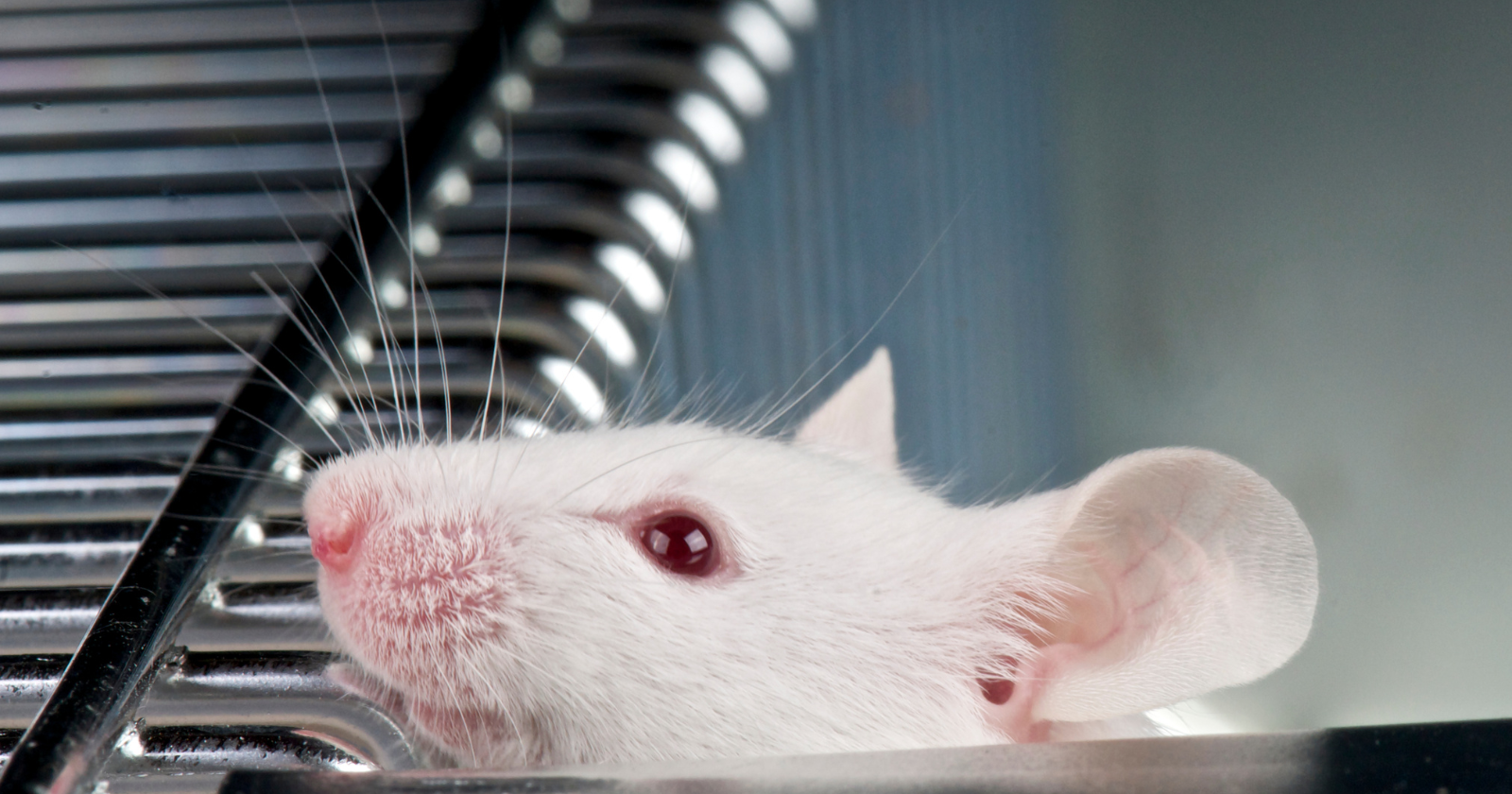
The technique is called heterochronic parabiosis, and it works by surgically joining the circulatory systems of two animals of different ages so that they share a common blood supply. The procedure was pioneered by the French physiologist Paul Bert in the 1860s, originally as a way to study organ transplantation, and lay largely dormant in aging research for more than a century. In 2005, Thomas Rando and Irina Conboy at Stanford University revived the method and applied it specifically to the question of whether circulating factors in young blood could rejuvenate aged tissues. The results were striking. Old mice connected to young mice for as little as four to five weeks showed measurable functional improvements in skeletal muscle, heart, liver, and other tissues. Young mice connected to old mice showed the opposite — measurable accelerations of aging in the same systems. Subsequent work by Saul Villeda and Tony Wyss-Coray, also at Stanford, extended the finding to the brain, demonstrating that young blood could improve cognitive performance and stimulate new neuron growth in aged animals, while old blood worsened memory in young ones.
The cumulative weight of more than two decades of work has now established the basic finding beyond serious dispute. According to a 2022 Simons Foundation review of the field, the effects of heterochronic parabiosis are reproducible across multiple laboratories and have been documented in heart muscle, skeletal muscle, brain, liver, kidney, pancreas, bone, and skin. Old mice exposed to young circulation show improved tissue regeneration, better mitochondrial function, reduced cellular senescence markers, and partial reversal of age-related changes in gene expression patterns. The phenomenon is robust enough to have become one of the standard model systems in mammalian aging research, used to investigate the mechanisms by which circulating blood factors influence the function of organs throughout the body.
What the search for factors has found
The central scientific question is not whether young blood rejuvenates old tissues — that is now well established — but which specific components of young blood are doing the rejuvenating. Several leading candidates have emerged. According to Smithsonian Magazine’s 2021 review of the field, the most-studied factor is a protein called growth differentiation factor 11, or GDF11, identified in Amy Wagers’s laboratory at Harvard. GDF11 was named one of Science magazine’s top ten scientific breakthroughs of 2014 after Wagers and her collaborators reported that the protein could reverse age-related changes in cardiac hypertrophy, brain neurogenesis, and skeletal muscle function when administered to old mice. The original GDF11 findings were partially contested by a Novartis research group in 2015, which reported difficulties replicating some of the original effects, and the precise role of GDF11 in young-blood rejuvenation remains a subject of active research.
Tony Wyss-Coray’s laboratory has focused on a different factor called TIMP2, a protein elevated in young blood that appears to have particular effects on the brain. Irina Conboy and her colleagues at UC Berkeley have identified oxytocin — a hormone better known for its role in childbirth — as a factor that promotes muscle stem cell regeneration in an age-specific way. More recent work has implicated small extracellular vesicles, microscopic membrane-bound packages of molecular cargo released by cells, which appear to carry rejuvenating signals through the bloodstream. According to a 2024 review in npj Aging, the current scientific consensus is that no single molecule explains the parabiosis effect; instead, a network of dozens of circulating factors is involved, with different factors mediating effects in different tissues.
The dilution hypothesis
A complicating finding has emerged from work by Irina and Michael Conboy at UC Berkeley, who have proposed that the rejuvenation effect may have less to do with adding beneficial factors from young blood and more to do with diluting harmful factors in old blood. In 2020, the Conboys demonstrated that simply diluting the plasma of old mice with a saline-and-albumin solution — without adding any young blood at all — produced rejuvenating effects similar to those seen in parabiosis. According to a 2025 Drug Discovery News review of the field, the implication is that ageing may be driven, at least partly, by the accumulation of pro-aging factors in blood — molecules that increase with age and actively damage tissues — rather than by the loss of pro-youthful factors that decline with age. The two possibilities are not mutually exclusive. Young blood may rejuvenate by simultaneously adding beneficial factors and diluting harmful ones.
The dilution hypothesis has substantial therapeutic implications, because diluting old blood with a sterile saline-and-albumin solution is a procedure that could in principle be performed in human patients with existing medical infrastructure. The Conboys have begun small clinical trials exploring whether therapeutic plasma exchange — a procedure already approved for several other conditions — can produce age-reversal effects in older human volunteers. The early data are preliminary but suggestive, though they have not yet been replicated at scale.
The biotech race
The commercial implications of the parabiosis findings have driven substantial venture capital investment over the past decade. The most prominent company directly developing parabiosis-derived therapies is Elevian, founded by Amy Wagers, Lee Rubin, and Richard Lee of Harvard, which is developing a recombinant form of GDF11 as a treatment for stroke and other age-related conditions. Elevian raised $40 million in a Series A round in 2021, with plans at that time to begin Phase 1 human clinical trials in stroke recovery; the most recent published Elevian-affiliated work, in the journal Stroke in February 2025, describes additional preclinical rat studies supporting the stroke programme, and the company is reported to be preparing for or in the early phases of human trials. Alkahest, a company co-founded by Tony Wyss-Coray to develop young-plasma-derived therapies, was acquired by the Spanish blood-products company Grifols in 2020 for approximately $146 million. A larger commercial ecosystem has grown around the broader anti-aging research field, including Altos Labs (launched in 2022 with $3 billion in funding from Jeff Bezos and other investors, though its primary focus is cellular reprogramming rather than blood factors), Calico Labs (a Google-affiliated longevity research company), and a long tail of smaller startups pursuing various rejuvenation strategies.
The legitimate parabiosis-derived biotech work has been somewhat shadowed, in the public mind, by a separate phenomenon of unregulated clinics offering young-plasma transfusions directly to paying customers. The most prominent such operation, Ambrosia, sold young-plasma infusions to consumers for around $8,000 per litre between 2016 and 2019, with no clinical evidence that the procedure produced benefits and no regulatory oversight. The US Food and Drug Administration issued a warning in 2019 against the practice, noting that “there is no proven clinical benefit of infusion of plasma from young donors to cure, mitigate, treat, or prevent” any condition. Ambrosia ceased operations shortly afterward. The legitimate scientific research has continued in parallel and is now focused, in the main, on identifying specific recombinant proteins or therapeutic procedures that can be tested under standard pharmaceutical regulatory frameworks rather than on selling unprocessed young plasma to consumers.
What this means for human aging
The honest summary of the situation is that the parabiosis findings in mice are robust and reproducible, the identification of specific young-blood factors is an active but incomplete research programme, and the translation of those factors into human therapies is just beginning to enter clinical trials. The full mechanism by which young blood rejuvenates old tissues is not yet understood. The relative contributions of adding youthful factors versus diluting age-accumulated factors are still being worked out. Whether any single recombinant molecule, including GDF11 or TIMP2, will produce clinically meaningful rejuvenation in humans is a question that current and upcoming clinical trials are designed to answer over the next several years.
What can be said with confidence is that the underlying biology has shifted the scientific community’s view of ageing in a substantial way. The default assumption for most of the 20th century was that ageing is an autonomous cellular process — each cell ages on its own, driven by accumulated DNA damage, protein misfolding, and oxidative stress. The parabiosis findings demonstrated that, at least in mice, this picture is incomplete. Ageing has a major systemic component, mediated by circulating factors in blood, and the systemic component is potentially modifiable by interventions that change the composition of the blood. Whether the same is true in humans, and whether modifying human blood composition can produce meaningful improvements in healthspan or lifespan, is now being tested directly. The answer will come not from mice but from the first generation of human clinical trials, which are underway in 2026 and will produce their first significant readouts over the next five to ten years.
