
Science & Engineering
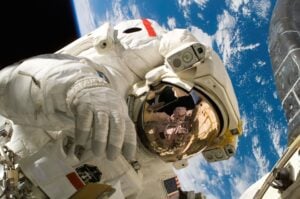
Astronauts aboard the International Space Station can see flashes of light even…
Float in a darkened module on the International Space Station, close your eyes, and wait.

Float in a darkened module on the International Space Station, close your eyes, and wait.
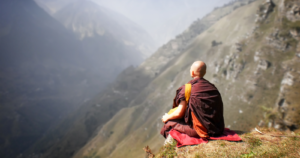
Tibetans have lived for thousands of years on a plateau that averages above 3,500 metres, with many communities settled higher than 4,000, in air thin enough to leave most lowland visitors short of breath and prone to altitude sickness.
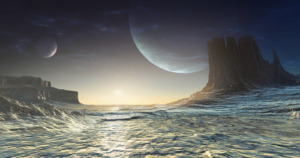
A study published in May in Nature Astronomy proposes a way to separate biological chemistry from non-biological chemistry that does not depend on finding any particular molecule.
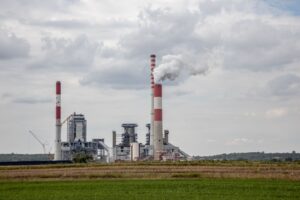
The Cumberland Fossil Plant in Tennessee was supposed to be closing. Its operator had absorbed a multibillion-dollar pollution settlement, federal regulators…
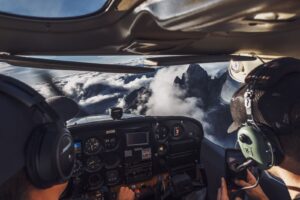
On the evening of 19 June, Claude Guillemot was killed when the Cessna 421 he was piloting banked and crashed on approach to La Baule-Escoublac Airport on the western coast of France.
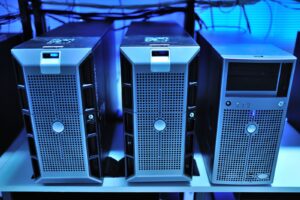
Microsoft's original Secure Boot certificates are reaching the end of their 15-year life in stages, beginning with the Microsoft Corporation KEK CA 2011…
If you handed a biologist a small, hairless, buck-toothed rodent the size of a sausage and told them it would outlive their golden retriever, their last car, and possibly their mortgage, they would assume you were lying.
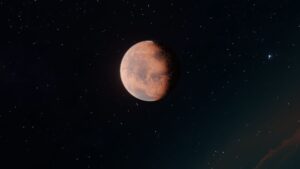
Mars today is a cold, dry desert, with an atmosphere far too thin to hold liquid water on its surface for long.
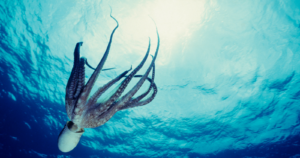
The last common ancestor of human beings and octopuses was a small, flatworm-like creature that lived in the ocean approximately 600 million years ago.
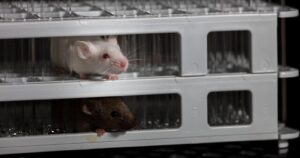
Neal Miller's 1940s rats showed that the urge to flee a goal rises faster than the urge to reach it as distance shrinks. A 2026 intracranial EEG study has now caught the same gradient inside the human hippocampus, amygdala, and prefrontal cortex — playing out in real time during a game of Pac-Man.
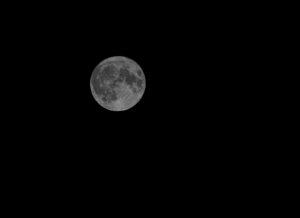
Astrobotic launched its first lunar lander on January 8, 2024, at 2:18 a.m. Eastern, atop the maiden flight of United Launch Alliance's Vulcan rocket.

Charles Darwin's 1872 catalogue of the facial muscles involved in suppressed rage — and the antithesis principle he proposed to explain why hidden anger leaks through composure — still maps onto what high-resolution facial electromyography measures today.
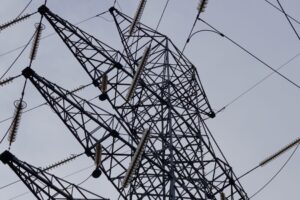
The 1989 Quebec blackout took down a grid serving six million people in 92 seconds — not because the solar storm hurt anyone, but because the long metal of the transmission lines was exactly what it could attack.
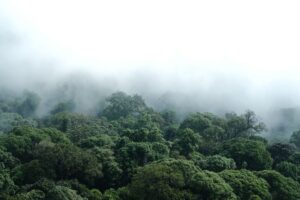
Two marsupials known to science only from fossils, and presumed gone for more than 6,000 years, have turned out to be alive in the rainforests of the Vogelkop Peninsula in Indonesian Papua.
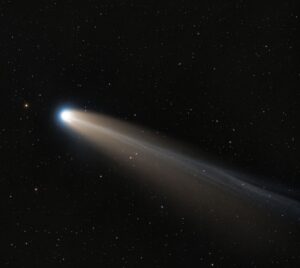
An interstellar comet that passed through the Solar System last year did not come from here, and new measurements of what it is made of suggest it did not form anywhere recent either.
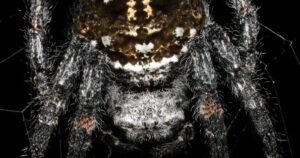
A giant orb weaver discovered in Madagascar builds the largest known orb webs and spins dragline silk so tough it absorbs more than ten times the energy of Kevlar before it snaps.