
In 1990, with its tour of the outer planets finished, Voyager 1 turned its camera back the way it had come and photographed the Earth from about six billion kilometres away. The planet came out as less than a single pixel, a pale fleck of light sitting in a band of scattered sunshine. The picture carried almost no scientific information, which is exactly why it nearly never got taken.
That it exists at all is largely down to Carl Sagan, who spent years arguing for it.
A picture no one needed
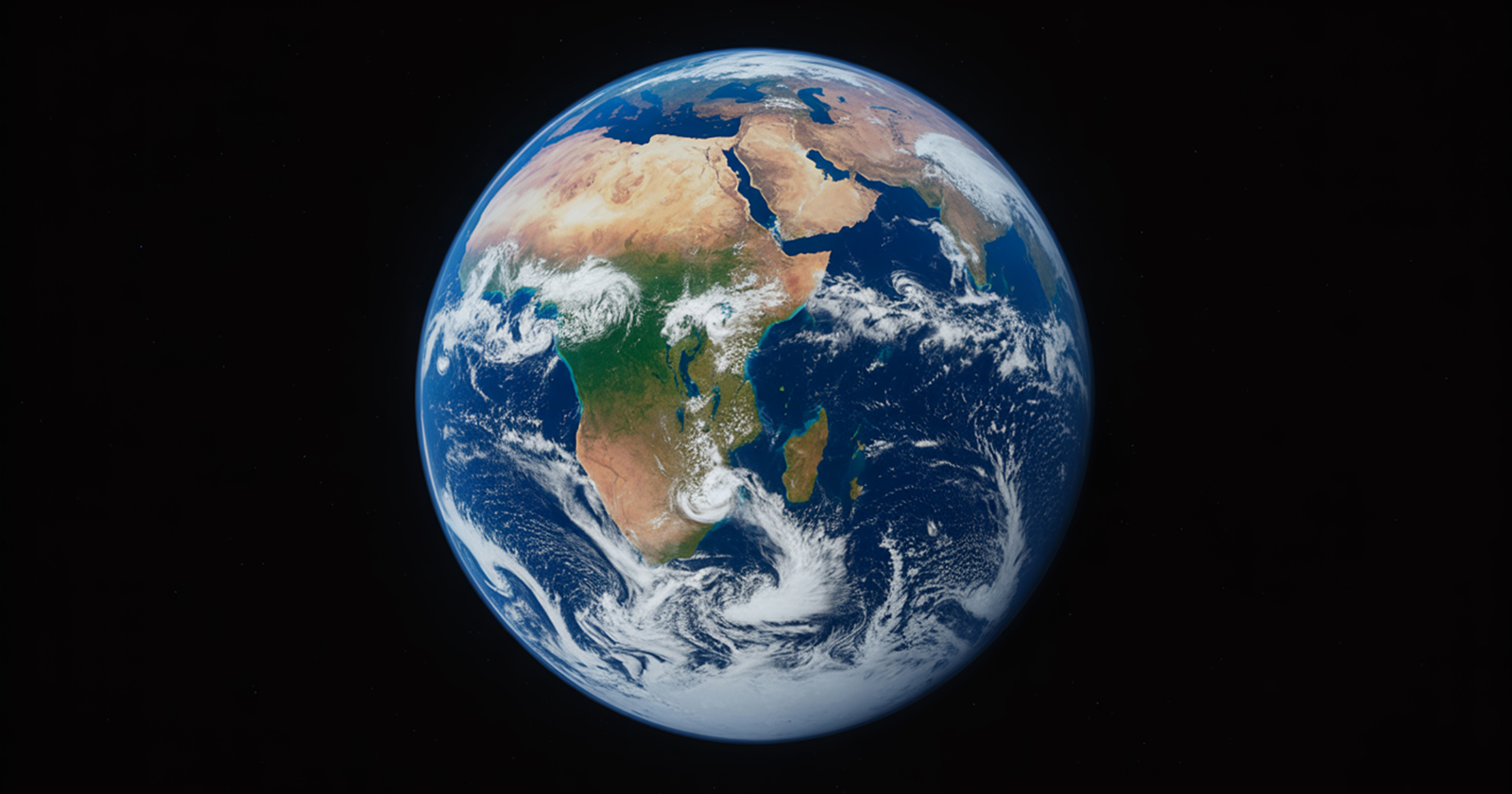
From six billion kilometres, the Earth is far too small for any camera to make out. There are no continents in the image, no weather, no detail of any kind, just a dot. Sagan, who sat on the Voyager imaging team, understood this perfectly well and said so. His case for the photograph was never scientific.
It was about perspective.
He wanted a portrait of the Earth as it actually sits in space, not as a globe filling the frame but as the small thing it really is against the dark.
Eight years, six requests
The idea dated back to 1980, when Voyager 1 swung past Saturn. For years the answer was no, and not unreasonably. The Voyager team had limited engineering resources, and turning the cameras back toward the inner solar system meant pointing them close to the Sun, which risked damaging them.
By NASA’s own account, it took eight years and six separate requests before the image was approved. The reluctance was not stubbornness. It was a real instrument put at real risk for a photograph that would show nothing measurable.
The shot
It was finally taken on 14 February 1990. The planetary mission was over and the cameras were about to be shut down for good, so Voyager 1 used them one last time, sweeping the sky for a “family portrait” of the solar system. One frame caught the Earth.
Our world appears as a point about 0.12 of a pixel across, caught by chance in a ray of sunlight scattered inside the camera’s optics. Soon afterward, the cameras were switched off.
Why it endured
The image did what Sagan had hoped, though it took his own words to make it land. Writing about the photograph in 1994, he described the dot as here, as home, as us, and as “a mote of dust suspended in a sunbeam”.
The force of it has nothing to do with what the picture shows, which is almost nothing. It is in what the picture makes unavoidable: that everything human, every person and every event there has ever been, is contained in a speck you could hide behind a fingertip, adrift in an enormous dark.
What it left
None of this advanced the science of the Voyager mission, and Sagan never pretended it would. What it did was give the mission its most lasting product, and give people a fixed image of where they actually live.
It was also close to the end. The Pale Blue Dot was among the last photographs Voyager 1 ever took. The spacecraft carried on outward with its camera dark, having already made the image it would be remembered for.