
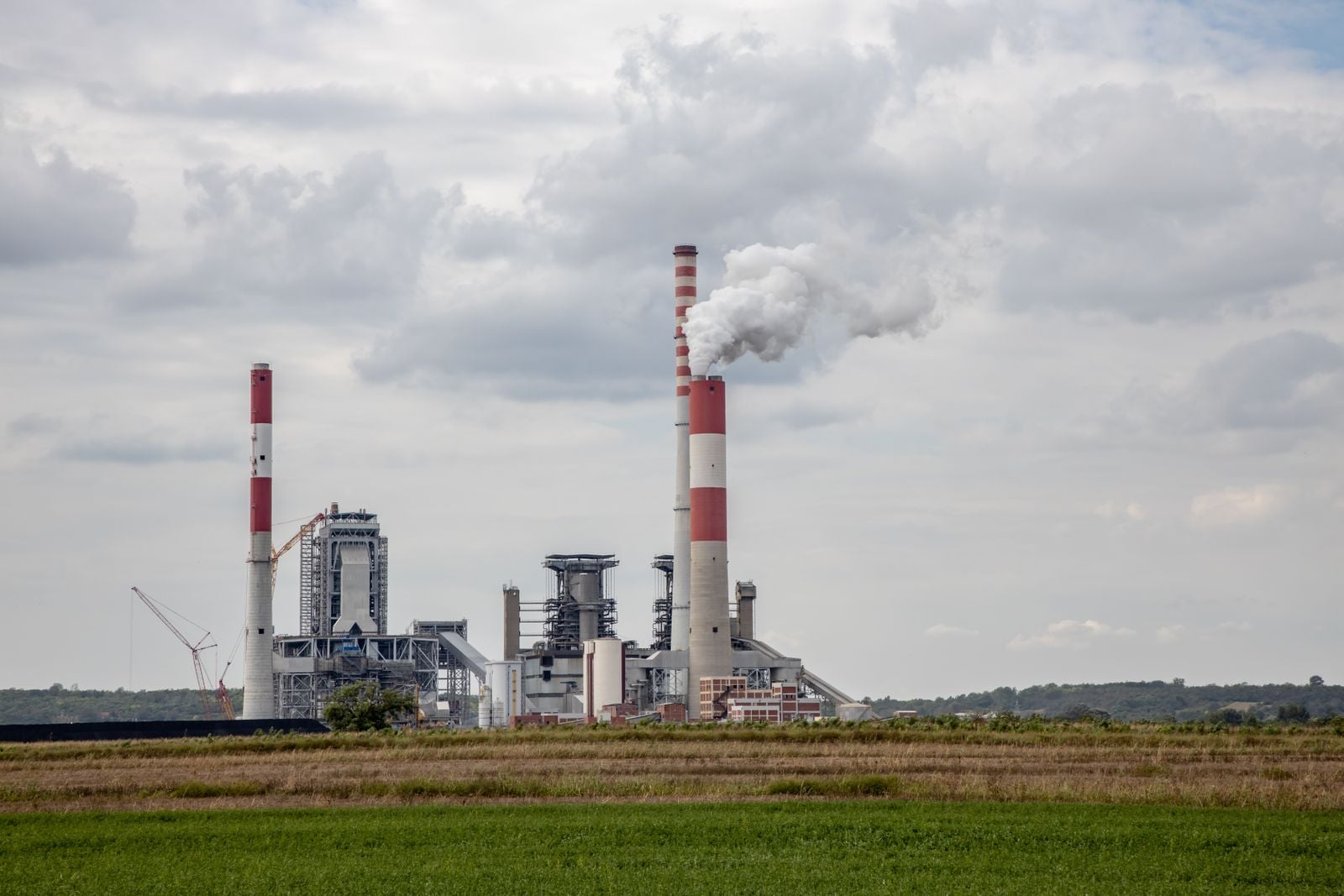
The Cumberland Fossil Plant in Tennessee was supposed to be closing. Its operator had absorbed a multibillion-dollar pollution settlement, federal regulators had cited the plant again in 2017 and 2023, and a fine grit still settles onto cars and porches in the towns nearby whenever the stacks are running. Then, this June, the federal government pledged more than $46 million to keep it burning coal instead.
Cumberland is one of at least three of the twelve plants receiving Department of Energy grants that have been repeatedly cited for breaking the Clean Air Act, the Clean Water Act, or both, according to an Inside Climate News review. The same federal government that has flagged these facilities for years is now writing checks to extend their lives.
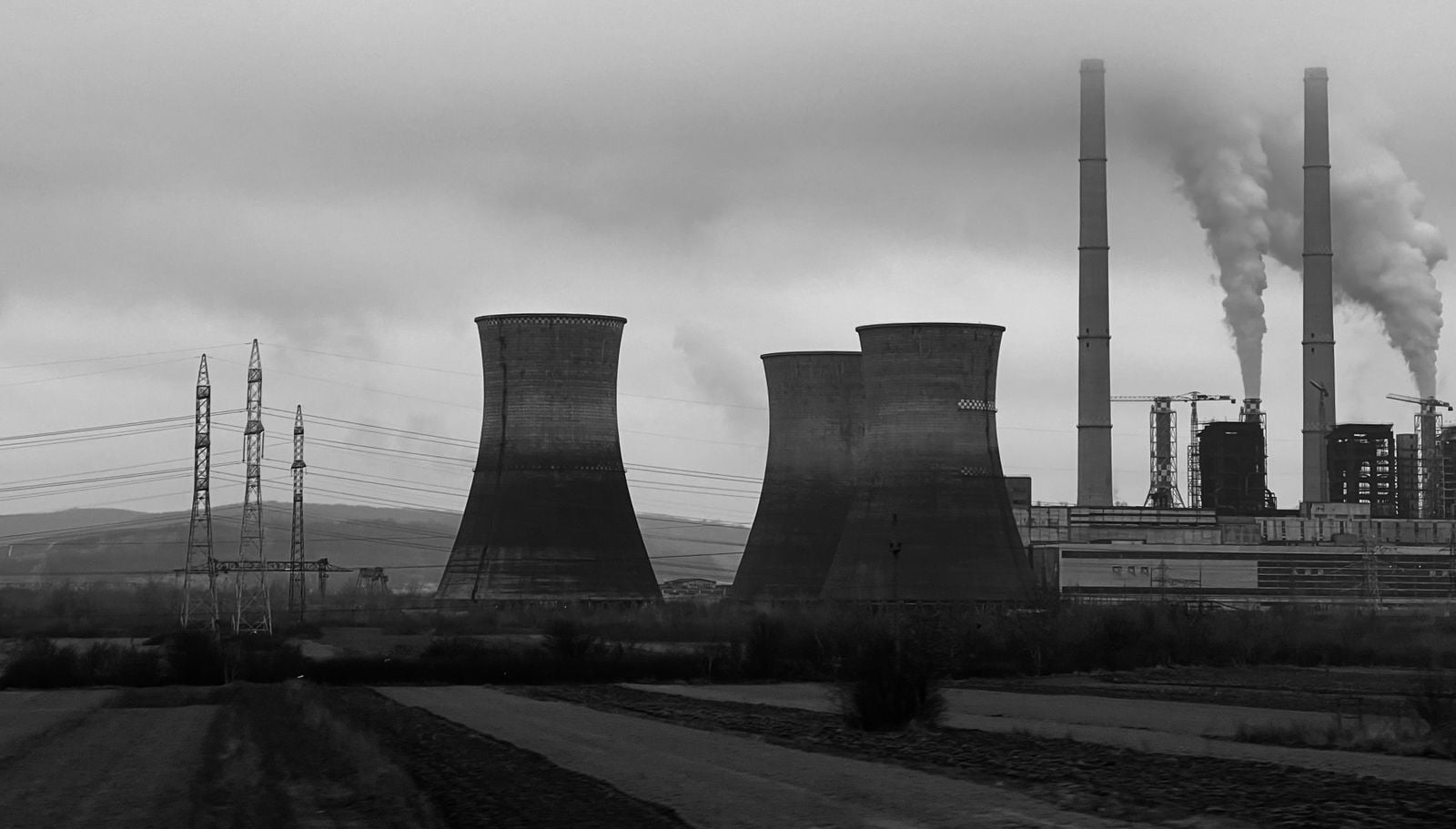
A retirement plan, reversed
Cumberland was winding down. After equipment failures, persistent pollution and a multibillion-dollar 2011 Clean Air Act settlement with federal regulators, the Tennessee Valley Authority told the public it would close the plant’s two units in 2026 and 2028. EPA records show further air-pollution violations cited in 2017 and again in 2023.
That trajectory shifted in 2025, when the Trump administration replaced four TVA board members. TVA reneged on its retirement plan in February. Months later came the federal grant.
Scott Fiedler, a TVA spokesman, attributed the February reversal to rising power demand and changes in the regulatory landscape, and said the agency follows a structured process that includes environmental reviews and reliability analysis. The Southern Environmental Law Center, which has long opposed Cumberland, says the public was given no chance to comment before the about-face.
The plants getting federal money
Three of the twelve plants tagged for DOE funds carry well-documented compliance problems.
Cumberland Fossil Plant, Tennessee
$46 million from DOE. Air-pollution violations cited by the EPA in 2017 and 2023, and a coal-ash site linked to local water contamination. In January, internal TVA documents obtained by the Southern Environmental Law Center through a public records request pegged the cost of bringing Cumberland up to current regulatory standards at $738 million — more than six times the figure listed on the federal grant announcement. TVA’s board maintained the move would ultimately save money.
Grand River Energy Center, Oklahoma
$28.5 million from DOE toward a $76.5 million project. Oklahoma sent the plant five notices of air-pollution violations between 2017 and 2021, found it exceeded wastewater pollution limits several times in recent years, and proposed a fine for failing to test for particulate matter. Three years ago the Grand River Dam Authority had called the plant financially risky and effectively uninsurable, and decided to replace it with renewables and natural gas. The grant reversed that plan.
Roxboro Steam Electric Plant, North Carolina
$28.4 million from DOE toward a $72.7 million project. North Carolina regulators have cited operator Duke Energy six times in the past decade, mostly for reporting failures or excess wastewater pollutants, and the plant currently carries an outstanding violation for failing to report its wastewater discharges. It sits about a mile and a half from an elementary school. A 2019 settlement required Duke to excavate more than 80 million tons of coal ash after leaks contaminated groundwater on plant property. In a December 2025 filing, Duke had proposed retiring Roxboro’s coal units by 2034.
The health math
The deaths attributable to coal-plant emissions are not theoretical. A University of Texas-led study published in Science tied coal-fired power to roughly 460,000 U.S. deaths between 1999 and 2020, more than double earlier estimates, with the heaviest toll falling between 1999 and 2007.
Cumberland’s fine-particle pollution alone has been linked to about a thousand deaths over that period, with effects reaching as far as New York and Massachusetts. The pollutants travel hundreds of miles from the plants that produce them.
Coal ash — the byproduct that triggered the Duke Energy settlement at Roxboro — contains arsenic, lead and other heavy metals. Local reporting from Nashville Public Radio has documented ongoing contamination at Cumberland’s ash site, where TVA plans to leave the waste in place rather than excavate it.
What the communities and watchdogs say
Angie Mummaw, the Middle Tennessee organizer for Appalachian Voices, who lives about eight miles from Cumberland, called the decision to keep the plant open a step backwards at a moment when investment should be moving toward clean energy and new technology. She described the sooty residue residents see settle on their cars and homes when the stacks are running.
Delaney King, an associate attorney with the Southern Environmental Law Center, said Cumberland is a symptom of a larger problem: aging coal plants being dragged into a modern regulatory and environmental landscape they are poorly suited for.
Courtney Bernhardt, research director at the watchdog group Environmental Integrity Project, said she was not surprised but was disturbed by what she characterized as the administration’s disregard for the compliance records of the plants it is funding, even as it works to weaken permitting requirements for the energy sector.
Christopher Sellers, an environmental history professor at Stony Brook University who reviewed the Grand River and Cumberland records for Inside Climate News, said repeated violations often point to a fundamental, unaddressed problem — a health issue resolved at many other coal plants but, he argued, overlooked at these.
An institutional reversal, not just a policy one
The Cumberland decision is the clearest example of how political appointments translate into operational outcomes at a federally owned utility. TVA is a federal corporation whose board is appointed by the president. When four members were replaced in 2025, the agency’s energy strategy followed. In a February board meeting, TVA’s chief financial officer, Tom Rice, praised “beautiful, clean coal,” echoing the president’s own slogan.
Asked about funding plants with repeated violations, a Department of Energy spokesperson did not address the specific records, saying instead that the grants are intended to keep reliable generation online, strengthen grid resilience and expand coal supply chain capacity. The administration has framed the broader effort as ending what it calls a war on coal.
The June funding lands after a year in which the administration has rolled back air-pollution standards for coal plants and relaxed environmental enforcement, moves public-health researchers warn could have lasting consequences. The grants are part of a nationwide push to keep older coal units running well past their planned retirement dates.
Maggie Shober, research director at the Southern Alliance for Clean Energy, said retiring coal plants is one of the primary ways to combat pollution, climate change and the associated health harms, and that extending their operations will make climate change happen faster and worse over the long term. She characterized the TVA reversal as a politically motivated payback that would do serious harm to customers across the Tennessee Valley.
Grid reliability or industrial life support?
The operators’ justification centers on cost and reliability. Dan Sullivan, president and chief executive of the Grand River Dam Authority, said in a statement that extending the life of the plant’s Unit 2 was the most cost-effective option compared with building new generation. Bill Norton, a Duke Energy spokesperson, said Roxboro meets all state and federal permit requirements and that the grant will help maintain reliability while keeping costs down.
Hope Taylor, executive director of Clean Water for North Carolina, said reporting violations matter precisely because they can obscure underlying problems — a missing test or an unfiled report can mask an actual water-quality violation and keep regulators from looking closer. She worries the grants will boost utility profits without reducing emissions.
None of the grants require the plants to fix the violations already on their records. At Cumberland, the coal ash will stay where it is. In the towns around the plant, the fine grit will keep settling on cars and porches when the stacks run. And a mile and a half from Roxboro’s smokestacks, the elementary school will fill again in the fall.
