
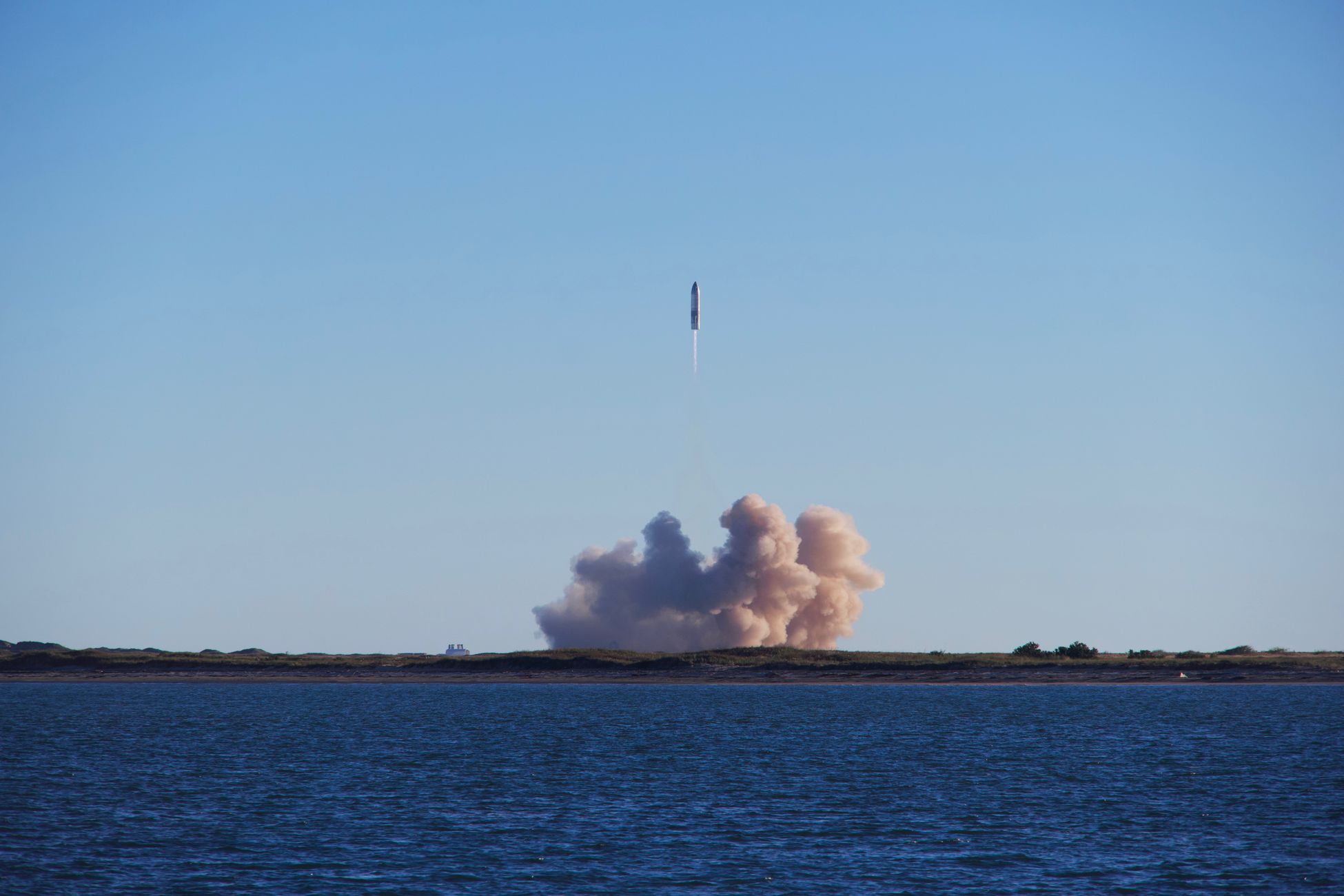
When Butch Wilmore and Suni Williams finally splashed down off the Florida panhandle in late March 2025 after more than nine months on the International Space Station, they came home inside a SpaceX Crew Dragon. The Boeing Starliner that had carried them up the previous June was already gone — its service module burned up in the atmosphere months earlier, taking with it the thrusters NASA investigators most wanted to examine. An eight-day test flight had become the longest unplanned stay in American spaceflight history, and the rescue had come from the only US company with a working crew capsule.
That moment crystallized something NASA officials had been quietly acknowledging for years. SpaceX has held a monopoly on US crewed access to the ISS since Doug Hurley and Bob Behnken splashed down aboard Endeavour in early August 2020, ending a nine-year gap in domestic human spaceflight. More than five years later, with Starliner still grounded, that monopoly has not loosened. It has hardened.
The official plan was never supposed to look like this. When NASA awarded its Commercial Crew contracts in September 2014, the agency split the work deliberately between two providers: Boeing for the CST-100 Starliner, SpaceX for Crew Dragon. Two vehicles, two rockets, two launch pads. Redundancy was the entire point.
The gap that was supposed to close in 2017
Both capsules were supposed to be carrying astronauts by 2017. Crew Dragon’s first operational flight, Crew-1, finally launched in November 2020 — three years late. Starliner’s first crewed flight didn’t lift off until early June 2024, seven years behind schedule, and it ended with NASA deciding the spacecraft was too risky to bring its own crew home.
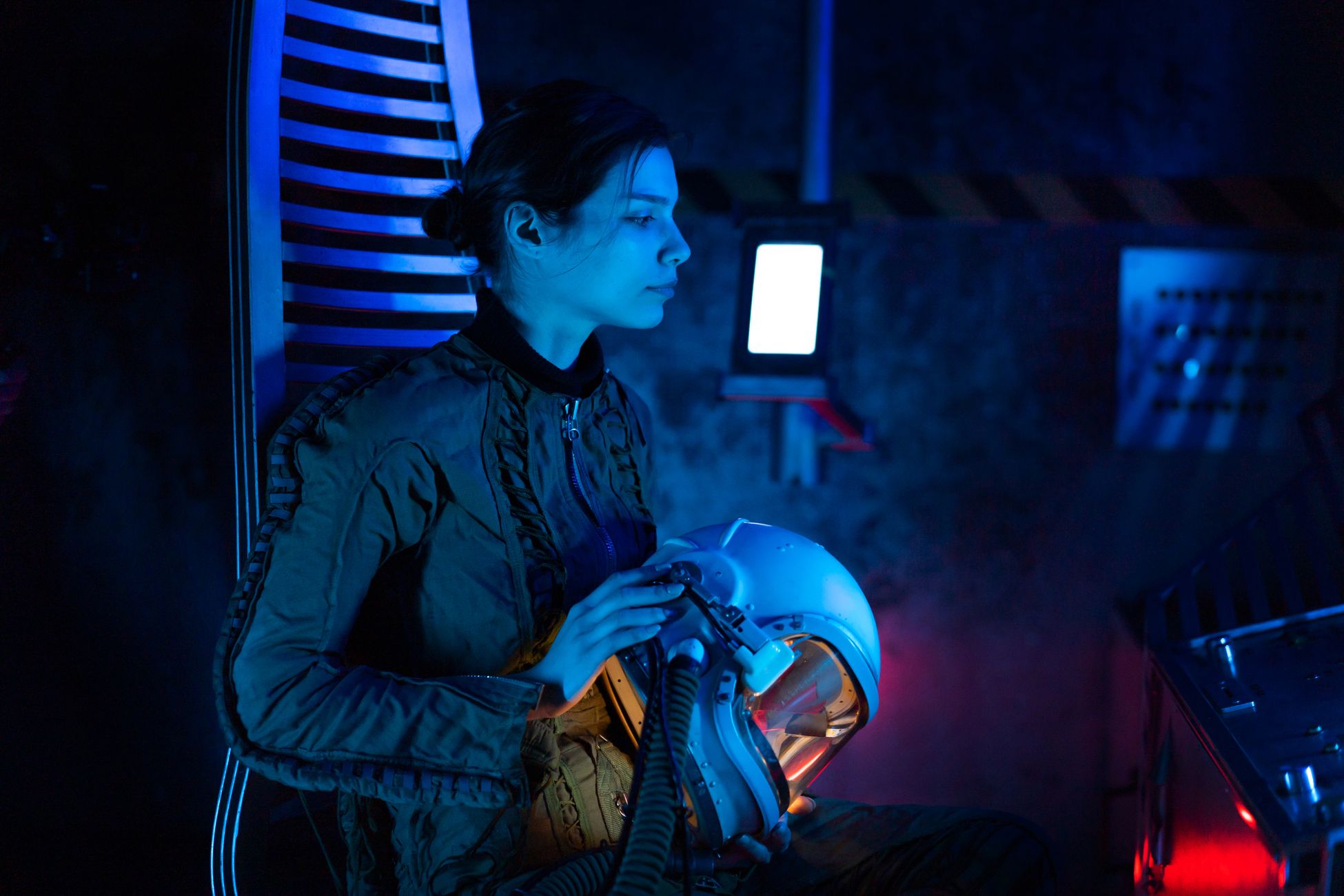
Since the Wilmore-Williams rescue, every American who has reached the ISS has done it inside a Dragon. Crew-9, Crew-10, Crew-11. Private missions flown by Axiom Space. Even European Space Agency astronauts like Denmark’s Andreas Mogensen and Sweden’s Marcus Wandt have ridden up on Falcon 9. SpaceX now operates a fleet of five reusable capsules — Endeavour, Resilience, Endurance, Freedom, and the newest, Grace, which debuted on Axiom’s Ax-4 mission in 2025. Endeavour, the capsule that flew Hurley and Behnken in 2020, has now made five trips to orbit. The Falcon 9 boosters beneath them are themselves reused, scorched first stages returning to droneships off the Florida coast within minutes of liftoff.
Why the Russian backup quietly disappeared
For decades, the Soyuz was the safety net. From the Space Shuttle’s retirement in July 2011 until 2020, NASA bought seats on Soyuz at prices that climbed significantly over the years. Even after Dragon began flying, NASA and Roscosmos kept a barter arrangement going — a seat-swap so that at least one American and one Russian were always on station, on different vehicles, in case one was grounded.
That arrangement still technically exists. A NASA astronaut launched on a Soyuz in 2025 as part of the seat-swap program. But the political ground beneath it has thinned since February 2022, and the seat-swap is no longer the redundancy NASA can plan a decade around. The only American-built vehicle in the loop is Dragon.
What Starliner still has to prove
Boeing’s capsule isn’t dead, but its path back to flight has slipped repeatedly. Through the first half of 2025 NASA said it had not yet decided whether Starliner’s next mission would carry a crew, and in November 2025 the agency and Boeing settled the question: the next flight, designated Starliner-1, will be an uncrewed cargo run targeted for no earlier than April 2026, retesting the propulsion system that overheated and leaked helium on its way to the station in June 2024. In the same decision NASA trimmed the number of operational crew flights it is obligated to buy from Boeing. The thrusters that failed during docking — five of 28 reaction control jets in the service module — were destroyed when that module burned up during the empty return in early September 2024, which is partly why the investigation has taken so long. The hardware that misbehaved no longer exists.
Even on an optimistic schedule, Starliner’s return to crewed flight has not occurred as of mid-2026, and the regular crew rotations that would let it genuinely share the workload with Dragon sit further out still. The per-seat cost to NASA, under the fixed-price Commercial Crew contract, has been lower than what NASA paid for Soyuz seats in the final years of that arrangement. Boeing has taken significant financial charges against its Starliner program since 2016.
What the lack of alternatives actually means in 2026
It does not mean NASA has no rockets. The agency’s Space Launch System flew Artemis I around the Moon in late 2022, and Orion is built for deep space. But Orion cannot reach the ISS in any operational sense — it’s the wrong vehicle for a low-Earth-orbit rendezvous, and SLS launches cost in the multi-billions per flight. Sierra Space’s Dream Chaser, a winged cargo vehicle, is being prepared for uncrewed resupply runs but is years from a crewed variant.
Blue Origin’s New Glenn flew its first mission in January 2025 and has not been certified for crew. Vulcan, the rocket from United Launch Alliance that Boeing partly owns, is human-rated on paper but has no capsule attached to it now that Starliner uses Atlas V — and Atlas V’s remaining flights are spoken for.
So when NASA says it has no American alternative to Dragon, the agency means it in the narrow, literal sense: there is exactly one US-built, US-launched system today that can take a human being to the International Space Station and bring them home. That system has a single supplier.
The other quiet shift
While Dragon has become essential to crewed access, NASA has also leaned harder on commercial partners across the rest of its portfolio. The Roman Space Telescope built at Goddard is government-built but launches on a commercial rocket. The agency’s experimental aircraft program has begun accepting transferred military F-15Ds rather than buying new chase planes outright. The X-59 quiet supersonic demonstrator is being built by Lockheed Martin under a Skunk Works contract. The shape of NASA in 2026 is an agency that designs, contracts, and certifies more than it builds.
Within that shape, Dragon is not unusual. It is just the most consequential example, the one that touches every astronaut on every mission to the ISS — and the one that exposes the central tension in NASA’s commercial strategy. The agency made a bet that competitive procurement would deliver lower costs and more resilient supply than the old cost-plus model. On cost, that bet has clearly paid off. On resilience, it has not. A two-provider hedge only hedges if both providers actually fly.
What happens after 2030
The International Space Station is scheduled to be deorbited in 2030 or 2031 using a SpaceX-built US Deorbit Vehicle that NASA awarded in June 2024. The capsule that takes the last astronauts off the station will, on current plans, be a Dragon. The vehicle that pushes the station into the Pacific will, on current plans, also be made by SpaceX.
By then, NASA hopes commercial space stations from Axiom, Vast, Voyager Space, and Blue Origin will be in orbit, and the agency expects to buy crew transport to them the same way it buys crew transport to the ISS now — as a service. The architecture that replaces the ISS, in other words, will deepen the commercial-services model that produced the current Dragon dependency rather than retreat from it. Whether more than one provider will be flying crews by 2030 is the question the next four years will answer, and the answer will shape whether American human spaceflight in the 2030s rests on a competitive marketplace or on a single contractor whose business decisions become, by default, national space policy.
That is the deeper stake behind the Wilmore-Williams rescue and behind every Dragon launch since. For now, every American who looks up at the ISS as it crosses the evening sky — a moving point of light brighter than most stars, visible to the naked eye for about five minutes at a time — is looking at a station their country can only reach in one kind of spacecraft, built by one company, launched from one stretch of Florida coast. The redundancy that Congress demanded in 2014 has not been built. The dependency that resulted is now the plan.
