
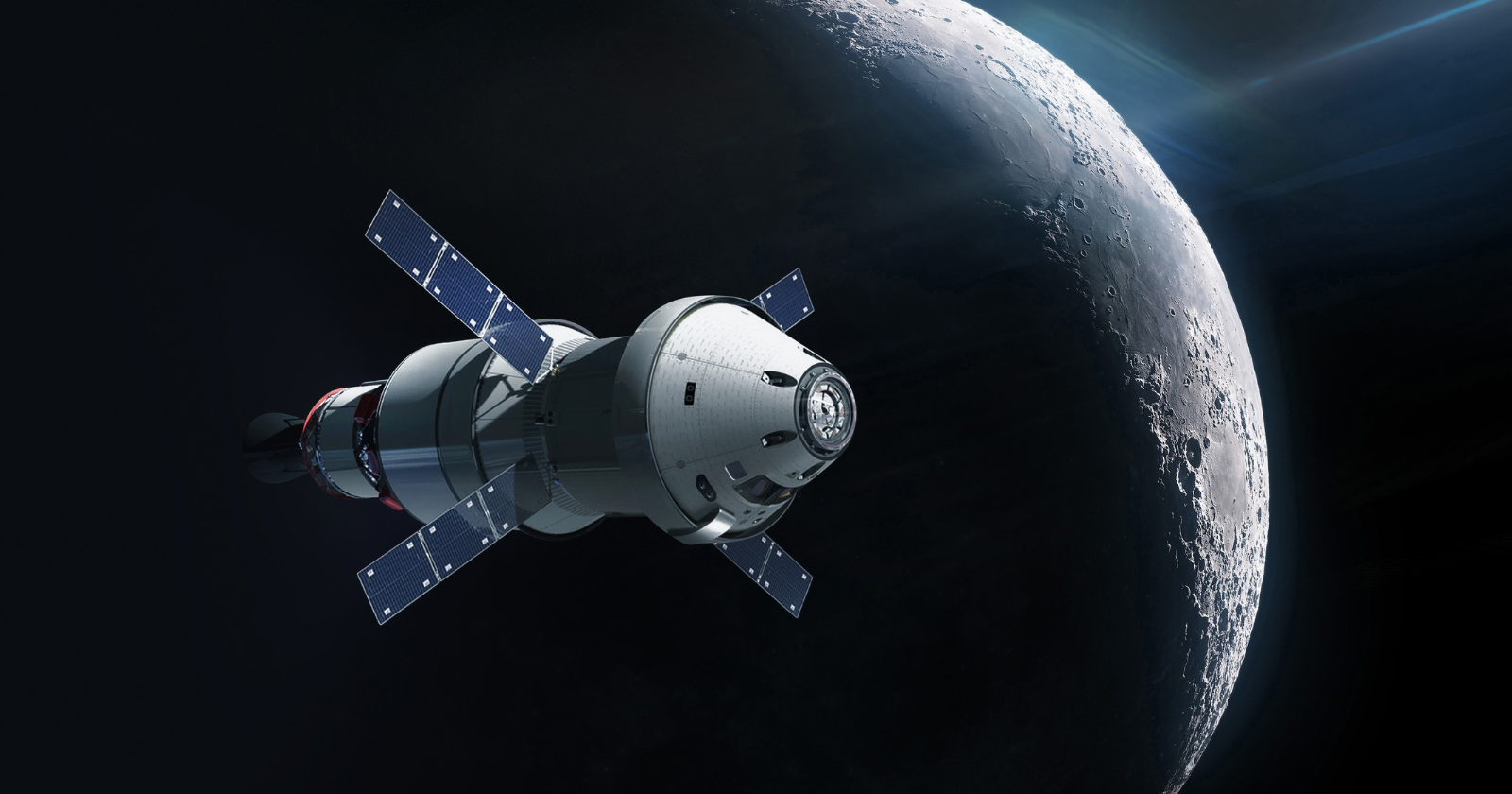
On 9 June 2026, inside a room at NASA’s Johnson Space Center in Houston, the agency named the four people who will fly Artemis 3 — and one of them was not American. Italian astronaut Luca Parmitano was introduced as the mission’s pilot, the first European Space Agency astronaut ever assigned to an Artemis crew. He will sit in the right-hand seat of an Orion spacecraft partly built in Europe, on a flight that will not, in fact, land on the Moon.
Parmitano is not a symbolic pick. He has logged 366 days in orbit across two long-duration stays on the International Space Station, performed six spacewalks totalling more than 30 hours, and commanded Expedition 61 in 2019, the first Italian to do so. During a 2013 spacewalk, water from a failed cooling system flooded his helmet and nearly drowned him before he groped his way back to the airlock blind. NASA put a near-fatality survivor and a former station commander in the pilot’s seat.
That detail is the tell. A seat this visible is never just a seat.
A pilot’s chair, not a thank-you note
Within hours of the announcement, ESA Director General Josef Aschbacher made the subtext explicit. Parmitano’s assignment, he told reporters, was the first step in a wider negotiation — one aimed squarely at getting a European astronaut onto the lunar surface, not merely into Earth orbit. He noted the seat had not been settled even a couple of weeks before the announcement, a sign of how live the bargaining still is. The full exchange was reported by SpaceNews.
ESA’s exploration chief, Daniel Neuenschwander, framed it as Europe playing two roles at once: supplying both a senior astronaut and the propulsion module that drives Orion. For Europe, the crew slot matters less for what Parmitano does in orbit than for what it establishes. Once a European has flown an Artemis mission, excluding Europeans from the next ones gets politically expensive. The ESA announcement made the partnership framing official.
The real prize sits further down the manifest. ESA wants boots on the regolith, and it is treating Artemis 3 as the down payment.
Why Gateway’s collapse changed the math
The bargaining became urgent because the structure Europe had built its lunar plan around stopped existing. On 24 March 2026, NASA acting administrator Jared Isaacman announced the agency would pause the Lunar Gateway “in its current form” and redirect effort toward infrastructure on the Moon’s surface. The decision, delivered at NASA’s Ignition event and reported by The Register, sidelined the small lunar-orbit station that had anchored the program’s international architecture.
That broke a carefully negotiated European position. At its November 2025 ministerial conference, ESA had announced three guaranteed Gateway seats, assigning them to astronauts from Germany, France and Italy, with Germany flying first. Gateway was the vehicle — politically and literally — for putting Europeans into deep space on a recurring schedule.
When NASA shelved it, those three seats lost their destination. Canada’s contribution took a hit too: the Canadarm3 robotic arm had been built for a station that was no longer the centerpiece.
NASA had already reshuffled the flight plan in February, demoting Artemis 3 from the first landing to a 2027 test flight in low Earth orbit. The Orion crew will rendezvous and dock with prototype landers from Blue Origin and SpaceX, rehearsing the choreography for Artemis 4, now the first crewed South Pole landing, targeted for 2028.
So Europe arrived at the table with new currency to spend and a shorter clock to spend it on.
The hardware Europe brings to the table
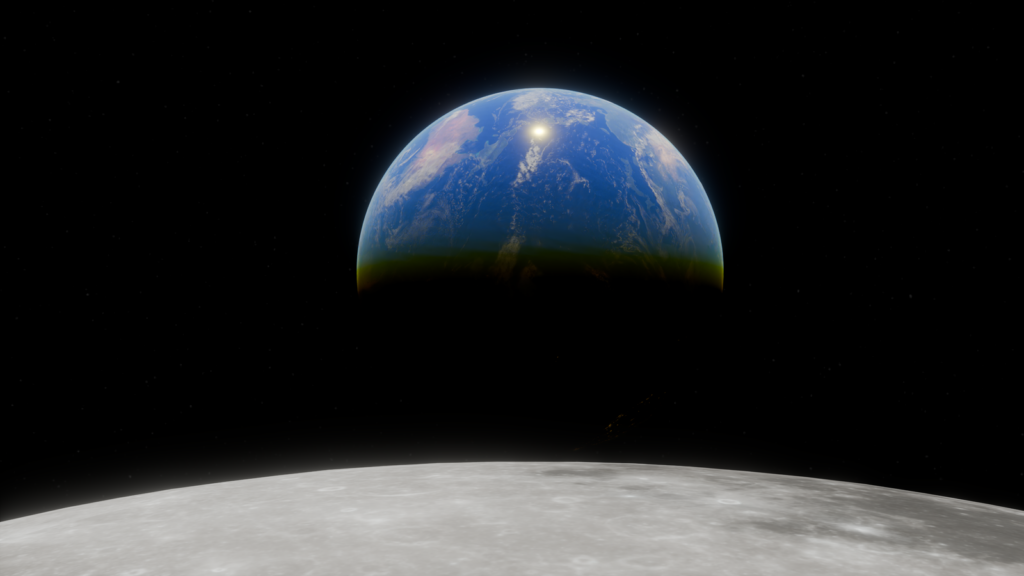
Europe’s strongest card is one it already holds. The European Service Module, built by Airbus with Thales Alenia Space, supplies Orion’s main propulsion, power, water, oxygen and thermal control. Without it, the capsule does not fly. Artemis 3 will use ESA’s third such module — a dependency described on Airbus’s own program page. That is leverage that needs no negotiating; it is simply true.
The newer offers are surface-oriented. Aschbacher named several chips ESA is willing to play: cargo delivery via the Argonaut lunar lander, which can put up to 1,500 kg on the surface from the early 2030s; communications and navigation from the Moonlight satellite constellation; plus rovers, surface robotics, and the option of returning cargo from the Moon.
Argonaut and Moonlight are the kind of infrastructure NASA does not currently fund itself. That is precisely why ESA is dangling them.
The pitch is to bundle existing dependency and future capability into a package that is awkward to refuse.
A partner whose own schedule is slipping
Europe is negotiating with a program whose timeline keeps moving. The two landers that Artemis 3 will practice docking with are both behind. SpaceX has not yet demonstrated orbital propellant transfer, a prerequisite for the Starship lunar variant to reach the Moon with enough fuel to land. Blue Origin is still working through development on its Blue Moon lander.
Neither company has published a firm date for clearing those hurdles.
The Gateway decision was itself partly a response to ballooning costs and slipping schedules across Artemis. Some critics of the program argued the restructure was overdue. The paradox for NASA is that simplifying the architecture left it with fewer assets to trade, at the same moment it needs partners more.
That asymmetry is what gives a mid-sized agency room to push.
What a first European seat sets in motion
Three concrete markers will show whether ESA’s play is working before the year is out. Whether NASA commits to additional European Service Modules for later flights. Whether Argonaut wins a formal role in the revised surface-logistics plan. And whether any European astronaut is named to an actual landing mission rather than an orbital test.
The calendar is filling in already. France is hosting an international space summit in Paris in September, and ESA holds its next ministerial conference in December — the meeting where money and commitments get fixed. Aschbacher has flagged both as moments where the lunar question gets pressed.
For now, the fact on the manifest is fixed. A man who once felt water rising over his eyes inside a sealed helmet, 400 kilometres above the planet, will ride the next Orion into orbit as its pilot. He will not step onto the Moon on this flight. But the chair he occupies is the one Europe intends to keep occupying — and somewhere in a meeting room in Paris this autumn, that is the argument his name is already making for him.
