
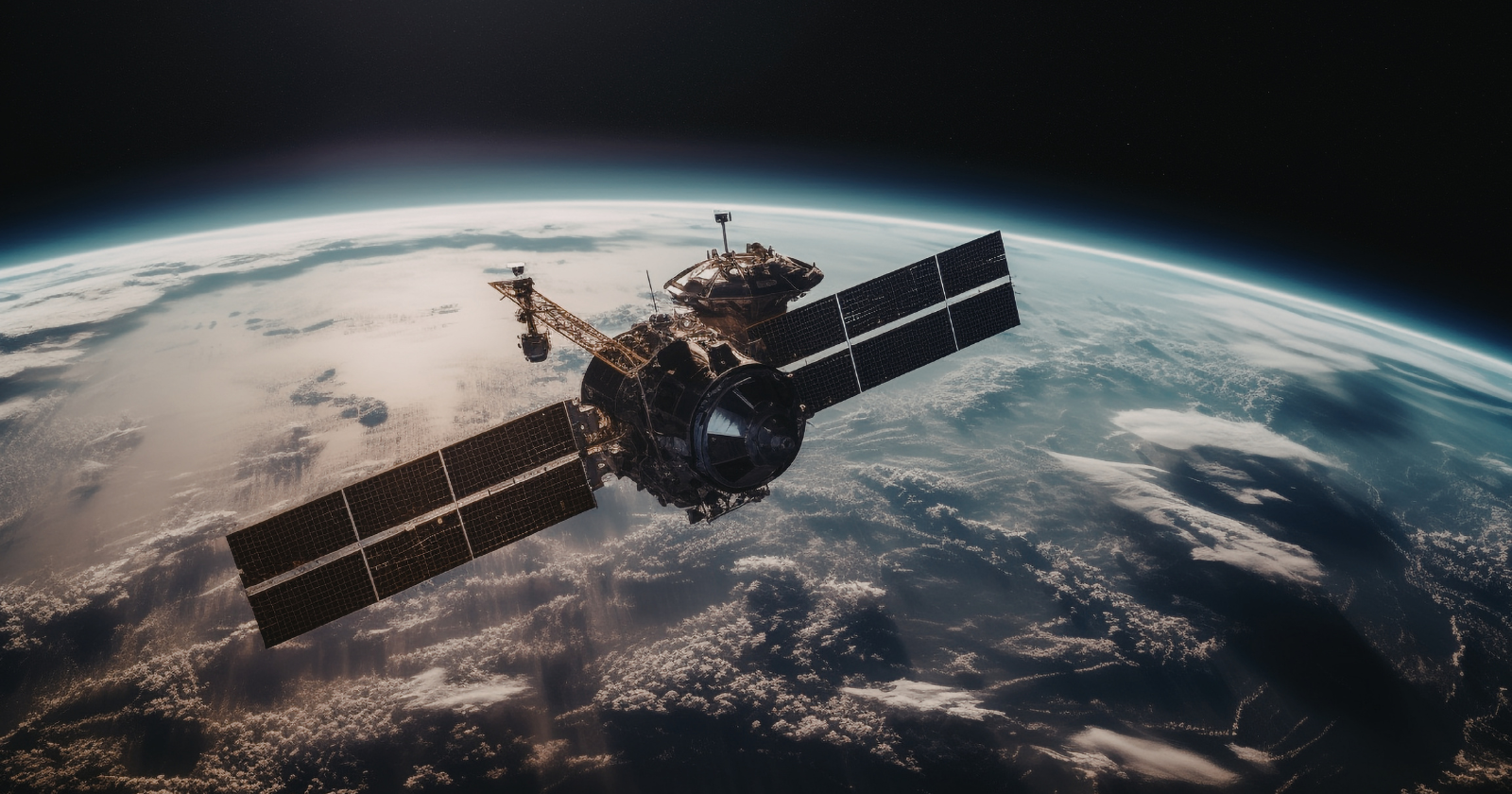
Tom Mueller helped build the engines that made Falcon 9 and Dragon work, and his next company has now raised more than $1 billion to solve a quieter problem: what happens after a rocket lets go of its payload.
Impulse Space announced a $500 million Series D round on June 2, 2026, co-led by 137 Ventures and BANNER VC. The company said the round brings its total capital raised to more than $1 billion.
That is an unusually large number for a private space hardware company whose biggest near-term bet is not a launch vehicle. Impulse is building spacecraft that move other spacecraft, taking satellites from the orbit a rocket can conveniently reach to the orbit where a customer actually needs them to work.
The engine builder after SpaceX
Mueller’s résumé is why the financing drew attention beyond venture circles. He was SpaceX’s first employee and led propulsion work on the Merlin and Draco engine families, the engines and thrusters tied to Falcon and Dragon.
At SpaceX, the hard problem was getting mass to orbit cheaply and repeatedly. At Impulse, the hard problem starts after launch, when a satellite is already moving around Earth but is still far from the orbit where it can earn money, gather data, or serve a military mission.
The company describes that market as in-space mobility. The phrase sounds abstract until the orbital mechanics become concrete: a rocket may drop dozens of satellites into low Earth orbit, but a weather spacecraft, a communications payload, or a national security asset may need a higher orbit, a different inclination, or a precisely timed arrival.
For many customers, that last leg is slow. Electric propulsion can be efficient, but it may take weeks or months to spiral outward. Impulse is betting that some customers will pay for speed measured in hours or days instead.
Mira is already flying, while Helios is the bigger gamble
Impulse has built its public roadmap around two vehicles. Mira is the smaller orbital transfer vehicle, a maneuverable spacecraft for hosted payloads, rideshare deployments, and lower-energy missions.
Mira has already flown three missions since 2023, according to Space.com, giving Impulse something many space startups lack: hardware with orbital flight history. Those flights matter because government and commercial customers tend to buy reliability before they buy ambition.
Helios is the larger and more consequential system. Impulse describes it as a high-energy kick stage that can move payloads from low Earth orbit to medium Earth orbit, geostationary orbit, cislunar space, and beyond.
The key promise is time. Impulse’s rideshare materials describe Helios as offering same-day delivery to high-energy orbits, and Astranis has said its 2027 mission with Impulse is meant to send MicroGEO satellites from low Earth orbit to geostationary orbit in under 24 hours.
That is a different business from drifting outward on electric propulsion. For a commercial operator, faster arrival can mean earlier revenue. For a defense customer, faster maneuver can mean an asset is useful before the situation that required it has changed.
The GEO rideshare plan is the first real test
Impulse calls its geostationary rideshare program Caravan. The idea is familiar from SpaceX’s Transporter program in low Earth orbit: bundle multiple customers onto one mission, spread the launch and transfer cost, and make access to a hard-to-reach orbit more routine.
The company announced the GEO rideshare offering in 2024, with service planned to begin in 2027. A later multi-launch agreement with Infinite Orbits covered deliveries to GEO through Caravan starting in 2027.
Geostationary orbit is valuable because satellites there circle Earth once per sidereal day, appearing to hover above one longitude. That makes GEO central to communications, weather observation, missile warning, and other missions that reward persistence over one region.
It is also difficult to reach directly without spending a great deal of launch performance. A rideshare kick stage that can take smaller payloads there quickly would give satellite builders a new way to buy GEO access without designing a full propulsion system around the trip.
The first Helios flight will therefore carry more than customer payloads. It will carry the credibility of Impulse’s central claim: that chemical propulsion and vertical integration can make orbital transportation fast enough to change how missions are planned.
The Moon is the more distant wager
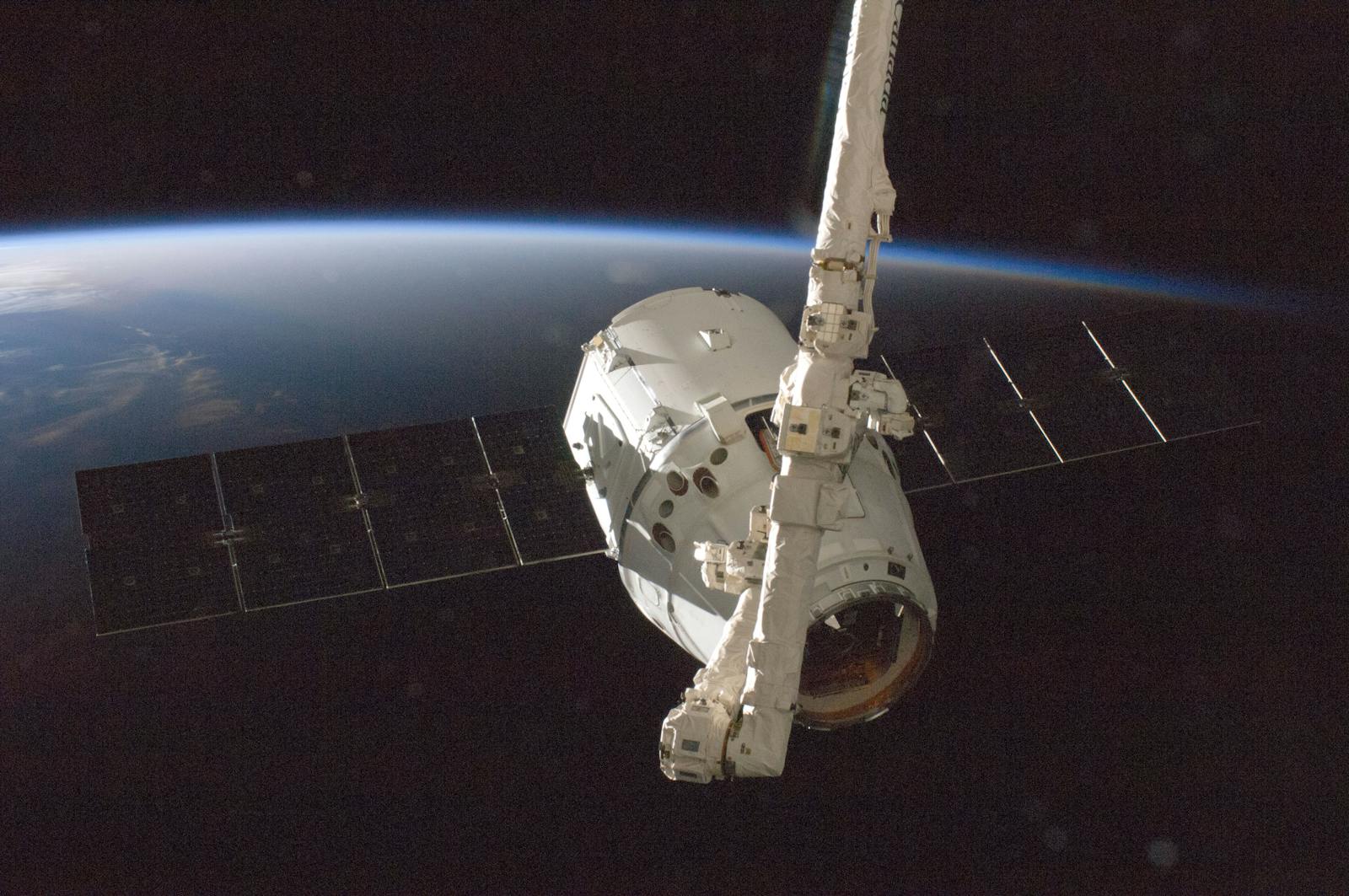
Impulse is also proposing a lunar cargo architecture built around Helios and an in-house lander. In its own description of the plan, each Helios-and-lander combination would deliver approximately three tons of cargo to the lunar surface.
That would be much larger than the small robotic landers that defined the early phase of NASA’s Commercial Lunar Payload Services program. NASA describes Commercial Lunar Payload Services as a way to buy commercial deliveries of science and technology payloads to the Moon in support of Artemis and longer-term lunar exploration.
The lunar timing is not accidental. In May 2026, NASA announced new Moon Base contracts covering lunar rovers, uncrewed cargo landers, and drone-like systems, a sign that the agency is moving from small payload drops toward larger surface infrastructure.
Impulse has not yet proven it can land three tons on the Moon. Very few companies have proven they can land anything there softly and reliably. The CLPS missions of 2024 and 2025 showed how unforgiving terminal descent remains, even for well-funded teams with serious engineering talent.
That makes the lander a second-order bet. Helios must work first. Then Impulse has to show that the same propulsion culture Mueller brought from launch can survive the dust, timing, navigation, and thermal constraints of the lunar surface.
Why $500 million goes into people and production
The Series D is not being framed as a software-style scaling round. Impulse said the money will support hiring and manufacturing growth as it expands the vehicles, propulsion systems, and operating architecture needed for in-space mobility.
The company has about 500 employees and roughly 200 open positions, according to recent reporting. That kind of hiring makes sense in propulsion, where test stands, welds, valves, vibration loads, thermal margins, and qualification campaigns still decide whether a vehicle survives first contact with space.
There is no simple shortcut around that work. Hardware companies scale through fixtures, technicians, supply chains, inspection regimes, test failures, and production discipline. Venture capital can accelerate those pieces, but it cannot make them disappear.
The competitive field is also crowded. D-Orbit, Atomos, Portal Space Systems, Momentus, Spaceflight Inc., and other companies have pursued pieces of the orbital-transfer and in-space-services market. Impulse’s differentiator is the combination of Mueller’s propulsion background, a chemical high-thrust strategy, and enough capital to build much of the stack itself.
The next few flights decide what the billion dollars means
The milestones are unusually clear. Mira has to keep flying. Helios has to demonstrate the high-energy transfer that Impulse is selling. Caravan has to show that rideshare to GEO can be sold as a repeatable service rather than a one-off demonstration.
Beyond that sits the lunar lander, which could turn Impulse from an orbital logistics company into a surface logistics company. That would place it closer to the infrastructure layer NASA and commercial operators say they will need if the Moon becomes more than a sequence of flags, footprints, and isolated science packages.
For now, the most important fact is the scale of belief. A former SpaceX engine builder has persuaded investors to put more than $1 billion behind the idea that launch is no longer the only bottleneck in space, and that the next market may belong to the machines that fire after the big rocket falls away.
