
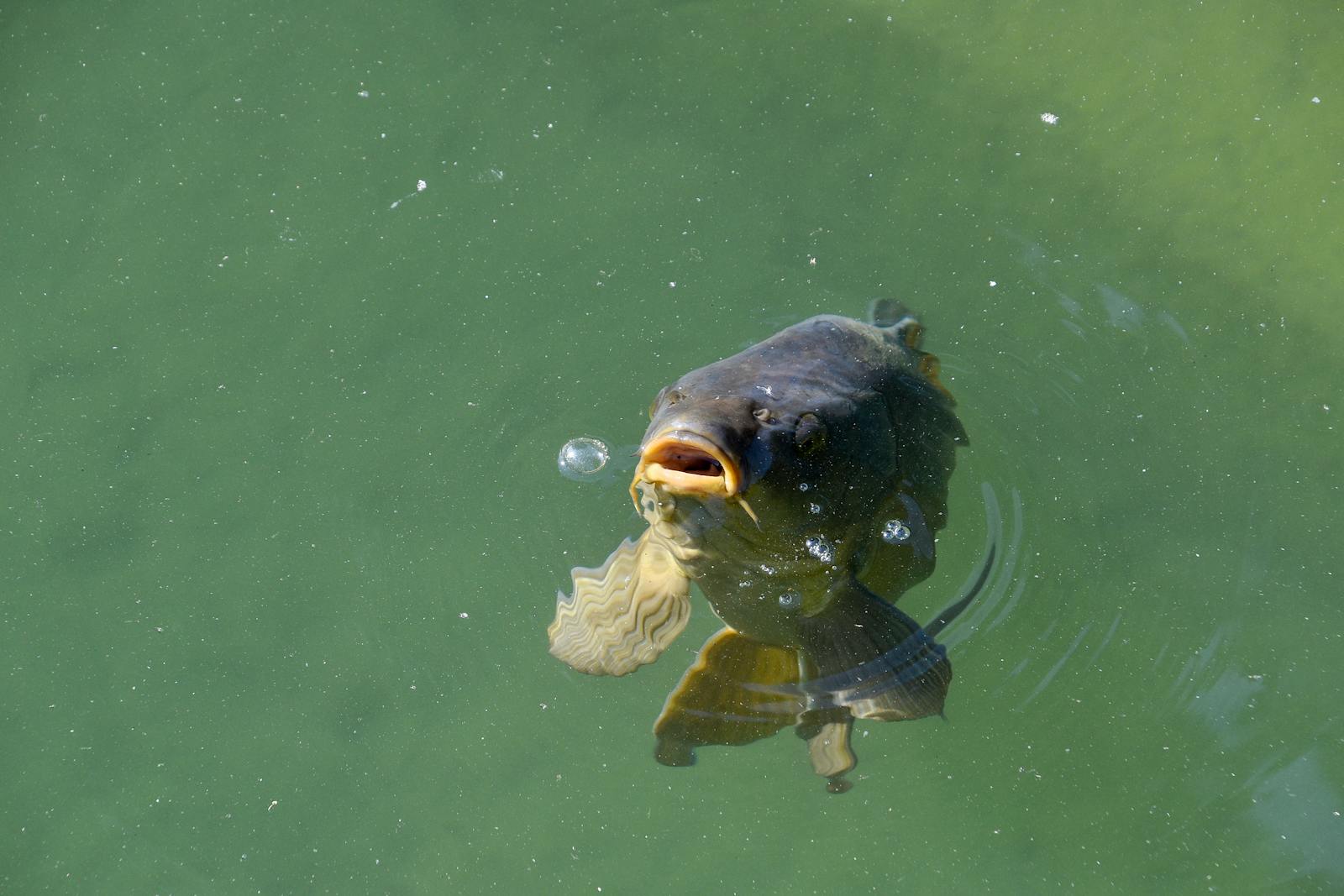
In the warm coastal waters off the Gulf of California, a small crustacean about the length of a paperclip swims into the gill slit of a spotted rose snapper, crawls forward into the mouth, sinks its hooked legs into the fish’s tongue, and begins to drink.
Over weeks, the tongue withers from blood loss until the soft tissue is gone. The parasite then settles onto the stump of bone where the tongue used to be and stays there, sometimes for years, while the fish opens and closes its mouth around it to eat. The animal is Cymothoa exigua, the tongue-eating louse, and as The Atlantic reported in 2021, it is the only known animal that destroys an organ of its host and then functionally replaces it.
It is not a metaphor. It is not exaggeration. The fish uses the parasite as a tongue.
What the animal actually is
Despite the name, Cymothoa exigua is not a louse in the insect sense. It is an isopod, a crustacean, the same broad group that gives us woodlice and pillbugs. If you have ever flipped over a damp log and watched a roly-poly curl into a ball, you have met its cousins. The marine ones, including the tongue biter, look like armored grey ovals with seven pairs of spindly legs and small dark eyes set at the front.
An adult female can reach up to several centimeters in length. The males are smaller. As Australian Geographic notes, C. exigua is the most famous of a much larger group. Around 100 species of mouth-attaching cymothoid isopods are known worldwide, spread across roughly eight genera, parasitizing fish from the tropics to temperate waters.
Cymothoa exigua is the celebrity because of what it does once it is inside.
The sequence of events inside the mouth
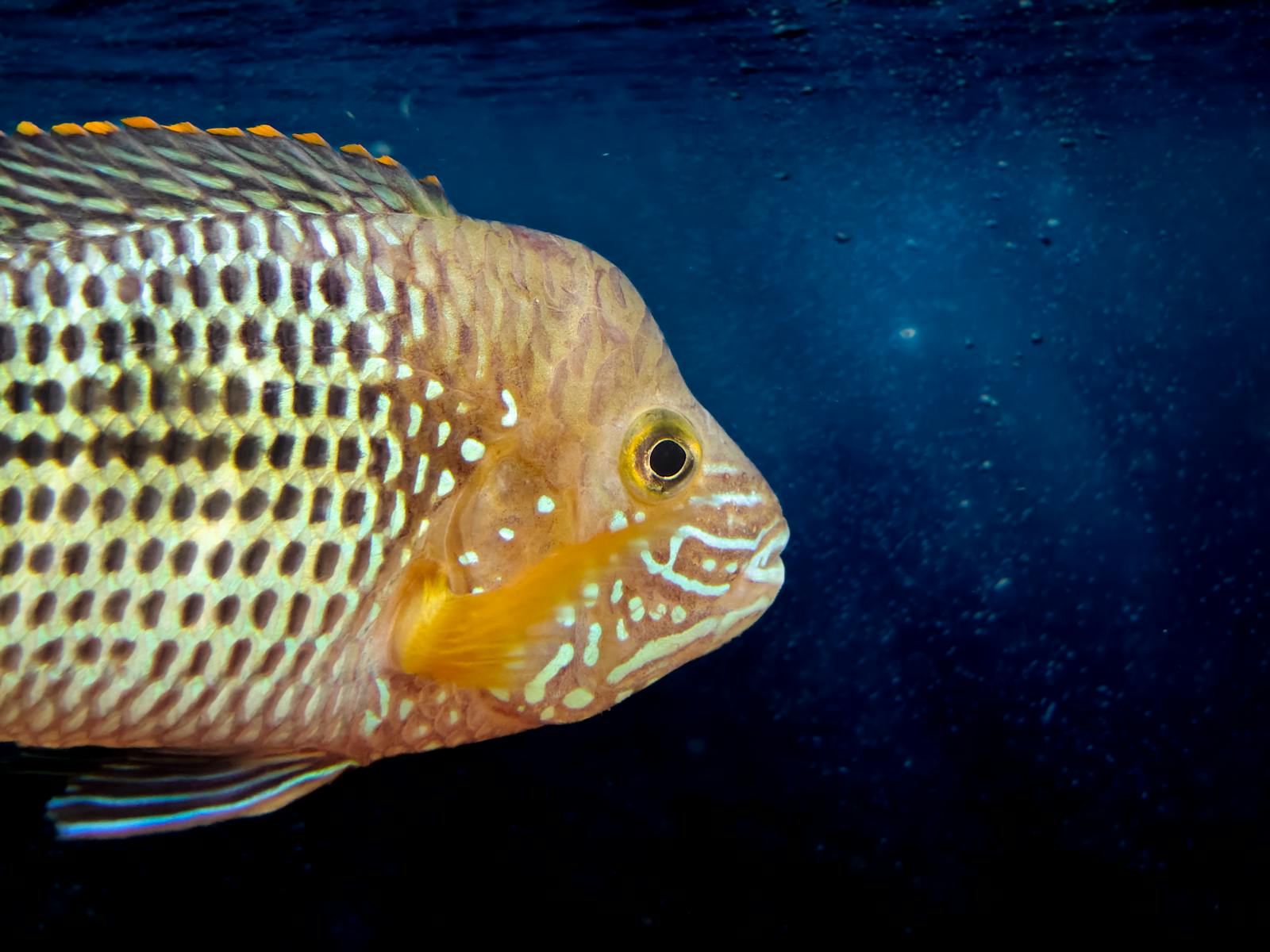
The life of a tongue biter begins with a deadline. A juvenile, only a few millimeters long, hatches into the open water and has hours, maybe a few days, to find a host before it starves or is eaten. If it gets lucky, it enters a fish through the gill opening, a slit just behind the eye.
Here the biology takes a turn most readers do not expect. Every tongue biter starts adult life as a male, clinging to the gill filaments. A subset later transitions into the female form, and only the females migrate forward to the tongue. The first female to reach the basihyal, which is the proper name for the fish’s tongue, claims the spot. Any male that arrives later stays in the gills and, if he is lucky, mates with her there.
The female grips the tongue with her seven pairs of curved legs, which Smithsonian marine-parasite biologist Jimmy Bernot has described as hooked appendages that latch onto the nub the missing tongue leaves behind. She severs the tongue’s blood vessels and begins to feed. The process is slow, and for the parasite’s own sake it has to be. An adult tongue biter cannot swim. If its host dies, the isopod is stranded and sinks, so keeping the fish alive is the only way the parasite stays alive too.
Weeks pass. The tongue’s soft tissue atrophies. Eventually it is gone, leaving only the bony stub of the basihyal underneath. The isopod then settles onto that stub and grips on.
Why the fish does not die
A fish tongue is not like a human tongue. Human tongues are muscular and mobile and do a dozen jobs at once. A fish tongue, called the basihyal, is closer to a hard pad of bone at the base of the mouth. It helps push food back toward the throat and helps shuttle water across the gills. Strip away the soft tissue and the fish still has the bone underneath. Strip the bone, and the gill apparatus collapses, and the fish dies quickly.
Most parasitized fish keep the bone. The parasite eats the meat off the top and then squats on what is left. As NPR reported in 2021, the fish goes on eating, breathing, and swimming, with a live crustacean wedged in its mouth in place of the tongue it used to have.
This is the part that turns a horror story into a biological puzzle. Many tongue-bitten fish look healthy. Their digestive tracts are full. They grow. They reproduce. The presence of the parasite, as Bernot has noted, can be much less catastrophic than it sounds.
The replacement claim, and the fight about it
The bold version of the story, the one that made Cymothoa exigua famous, comes from work examining spotted rose snappers whose tongues had been completely eroded by the isopod. On the backs of the parasites, researchers found small scrapes and grooves, the kind of wear you would expect if the fish had been pressing the parasite against the roof of its mouth, using it the way it would have used a tongue.
If true, it is a biological first. No other known parasite takes the place of an organ it destroyed. As Bernot has put it, this is the only known instance in the entire animal kingdom of a parasite functionally replacing one of its host’s organs.
Not everyone agrees on how clean the replacement is. Kory Evans, the Rice University fish morphologist whose CT scan of a parasitized wrasse sent the tongue biter viral in 2020, is among the researchers who point out that the bony base of the tongue is usually still intact. By that reading, the tongue is mutilated, not gone. The likely middle ground: the soft tissue erodes, the parasite clamps onto the bone underneath, and the fish then uses the parasite to do at least some of the tongue’s everyday work. Biologists in this camp tend to be unbothered by it. Fish, they point out, are remarkably tough, and there is something almost admirable about one pressing a parasite into service as a tool.
Why evolution would build something this strange
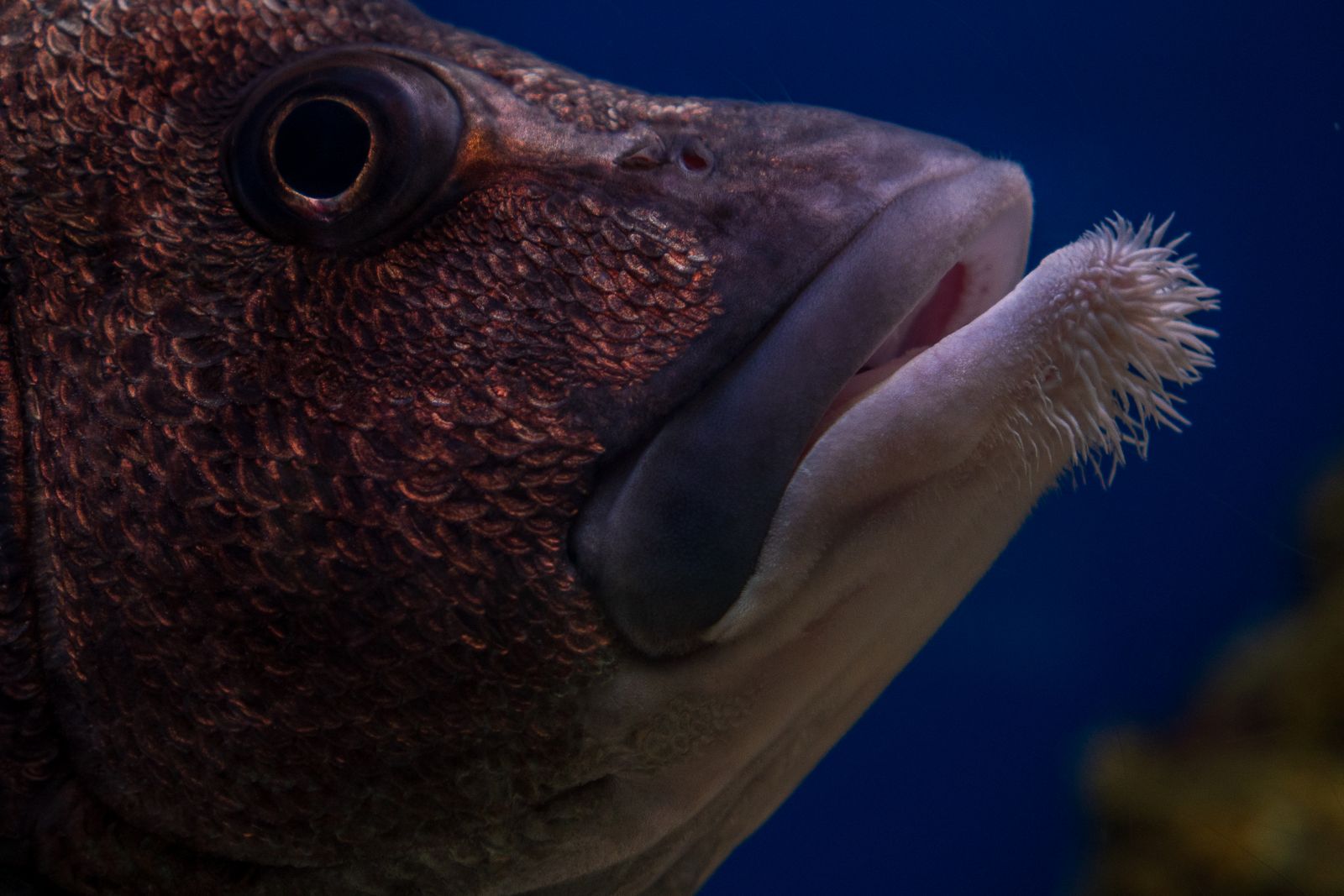
From the parasite’s point of view, eating the tongue is risky. As Forbes summarized in 2024, most successful parasites take only what they need and leave the host’s hardware in working order. Cymothoa exigua does the opposite. It eats the very thing the fish needs in order to feed, which means it eats the very thing keeping its food supply alive.
The likely answer, biologists think, is timing. If the parasite can keep the fish breathing and feeding long enough by acting as a stand-in tongue, the female has time to release a clutch of juveniles into the water. The arrangement is a Hail Mary on both sides. The fish gets a working mouth, more or less. The parasite gets a few more weeks of reproductive life. Neither one is thriving. Both are buying time.
It is, as the Atlantic piece put it, evolution working through tinkering, stumbling, and endless trial and error, often producing something less than ideal. The tongue biter is what biology looks like when it does not optimize, when it just stops at the first solution that does not kill everyone involved.
What it looks like, and where you can find it
Cymothoa exigua lives in the eastern Pacific, primarily in the Gulf of California and surrounding waters. It targets snappers most often. If you catch one of these fish and open its mouth, you may see a pair of small dark eyes looking back at you from where the tongue should be. Nerdist has noted that the resemblance to a science-fiction symbiote is hard to shake. The parasite sits flush with the floor of the mouth, legs hooked into place, body oriented the way the missing tongue would have been oriented.
Other cymothoid species do not stop at the tongue. Some attach to the inside of a fish’s cheek. Some burrow into the gill arches. The entire family sits within the broader story of external parasites, animals that have evolved to live attached to the outside, or in this case the inside-outside, of larger hosts.
The tongue biter is rare enough that most fishermen go their whole lives without seeing one. It is common enough that if you spend long enough at a fish market in Baja or coastal Mexico, eventually a snapper will come up with a passenger.
The reason a fact like this matters
Most parasites are invisible to us. They live inside guts and bloodstreams and behind eyes, and we only learn about them through textbooks and microscope slides. The tongue biter is different because it sits where you can see it, in the most public part of the fish, behind teeth that open and close around a creature that has replaced an organ. It is the rare parasite that performs its weirdness in plain view.
Human tongues, by comparison, are so specific to each of us that the bumps and grooves of a single tongue may be as unique as a fingerprint. The fish has none of that complexity to lose. Its tongue is a stub of bone. That is part of why the swap works at all. You could not do this trick on a mammal. The organ is too important, too vascular, too embedded in too many other systems. A fish tongue is simple enough that a crustacean can stand in for it.
The tongue biter is a reminder that the categories we use, host and parasite, harm and help, body and not-body, leak around the edges once you look closely enough. There is a fish swimming somewhere off the coast of Mexico right now with a small grey crustacean wedged into its mouth, its legs hooked into the bone, its eyes pointed forward. The fish is hunting. It is using the parasite to do it. Both of them have been alive together for months, possibly years, and neither one of them, in any meaningful sense, knows that anything is wrong.
