
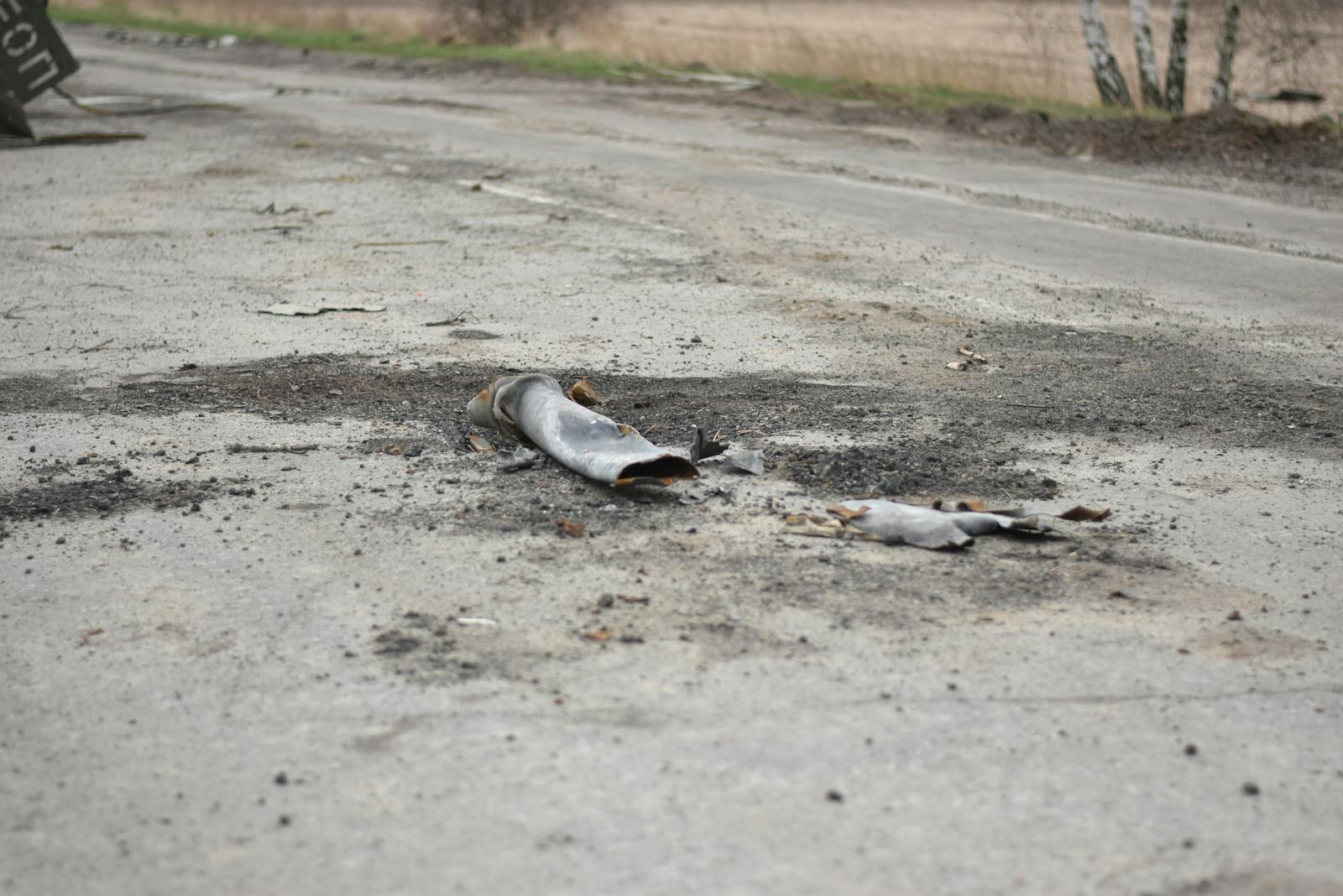
SpaceX’s Raptor 3 engine — the powerplant the company has spent the better part of two years marketing as a simpler, more reliable replacement for the troubled Raptor 2 — failed multiple times in its maiden flight during exactly the kind of high-stress maneuver it was designed to handle. The Super Heavy booster’s engines began dropping offline seconds into a planned boostback burn, the stage lost the thrust needed to reverse course, and it fell back through the atmosphere and struck the Gulf at high speed. The Federal Aviation Administration has now grounded Starship pending a mishap investigation.
That sequence is the story. Not the paperwork, not the splashdown of the upper stage, not the Starlink mass simulators that deployed on schedule. The most-watched new rocket engine in the world failed in its debut, and it failed in the precise scenario SpaceX needs it to survive for Starship to ever become operational.
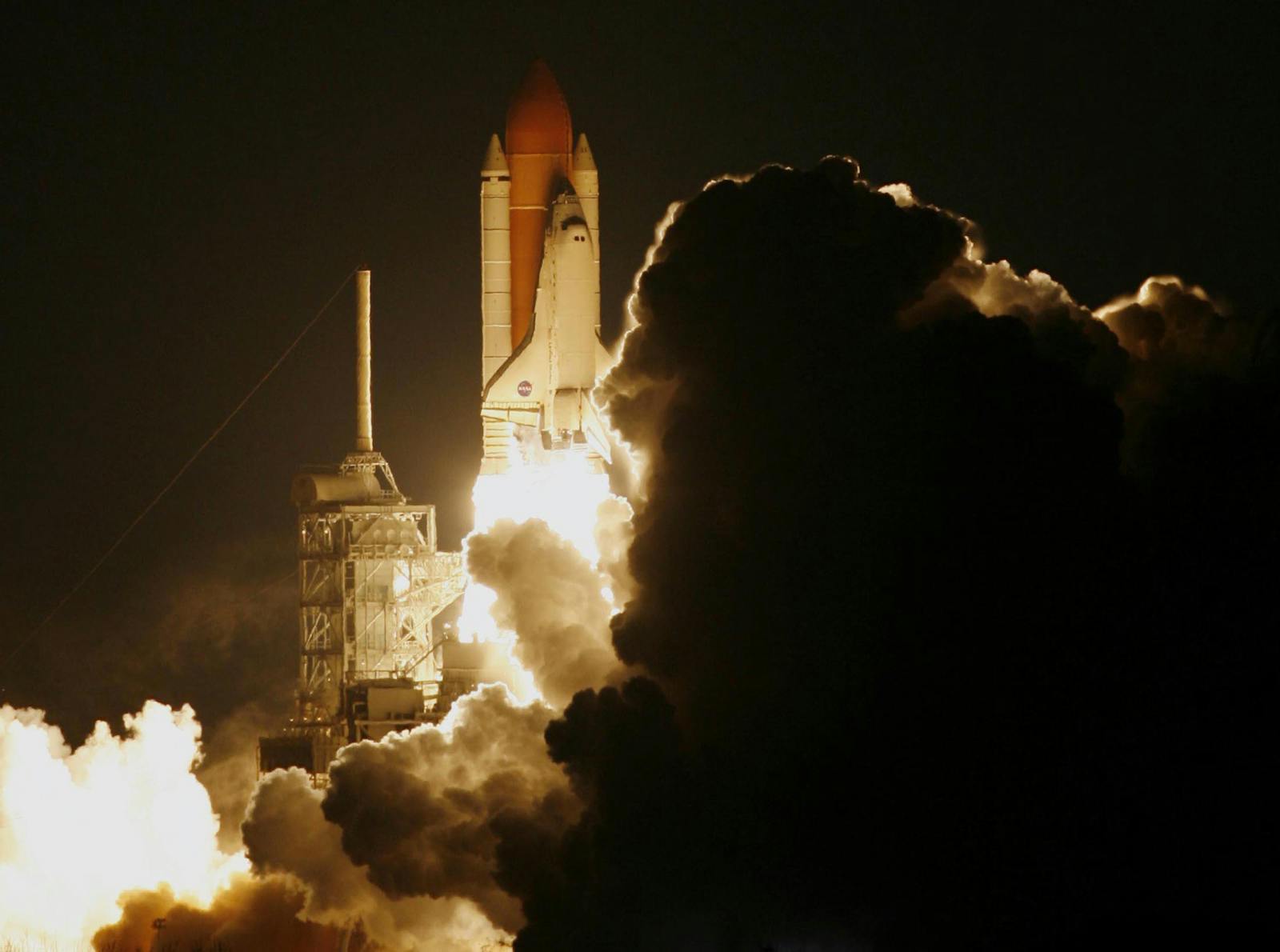
Twenty seconds, then a fall
According to telemetry shown on SpaceX’s own webcast, the boostback burn was scheduled to last about a minute. It ended after less than 20 seconds. Several Raptor 3 engines failed to light cleanly almost immediately after ignition, the booster never built the thrust needed to reverse its trajectory, and it fell back through the atmosphere and struck the water at high speed.
The stage came down inside an FAA-activated Debris Response Area, and the agency confirmed the debris fell inside the hazard zone with no reports of public injury or damage to public property. In its own post-flight statement, the FAA reported that the event caused six departure delays and five airborne holding events, with no diversions — the kind of secondary disruption that has become a recurring concern as Starship cadence grows.
The booster failure was not the only Raptor anomaly of the day. One of the 33 Raptor engines on Super Heavy shut down roughly a minute and 42 seconds into ascent, and one of the six engines on the upper stage also cut out before its planned duration. The FAA’s determination formally classifies the incident as a mishap, triggering a federally supervised root-cause review that SpaceX must complete and have approved before another Starship lifts off from Starbase, Texas.
The Raptor 3 debut
The flight was the maiden outing of Starship version 3, the vehicle’s most substantial revision since the program began. The redesign introduced the Raptor 3 engine, which SpaceX has marketed as a simpler, higher-thrust replacement for the Raptor 2 — fewer parts, fewer welds, fewer of the failure modes that plagued earlier flights. The vehicle reached space and completed most of its stated test objectives, including the deployment of Starlink mass simulators and a soft splashdown of the upper stage in its targeted Indian Ocean zone.
The upper stage, in other words, behaved close to nominally. The booster did not.
Engine-out tolerance has always been part of Starship’s design philosophy. Losing one of 33 engines on ascent is, in principle, survivable. But losing multiple Raptor 3 units in quick succession during a planned, choreographed maneuver — the boostback burn is not an edge case, it is core to every operational Starship profile — suggests something closer to a systemic failure mode in a brand-new engine variant making its first flight. That is a categorically different problem from a single random shutdown.
How long the grounding might last
Recent precedent points toward a relatively fast paperwork resolution if SpaceX can isolate the cause. The FAA declared a mishap on Blue Origin’s New Glenn flight on April 19 after the upper stage malfunctioned during its second burn, stranding an AST SpaceMobile satellite in an unrecoverable orbit. Just over a month later, the agency accepted Blue Origin’s investigation report and cleared New Glenn to resume launches.
That precedent comes with a warning, though. Days after being cleared, New Glenn exploded during a static-fire test on May 28, with images suggesting significant damage to its launch complex at Cape Canaveral. A clean regulatory close-out is not the same thing as a clean return to flight. If SpaceX moves with comparable speed on the paperwork, and if the Raptor 3 issue proves tractable, Starship could be back on the pad within weeks rather than months. The harder question is whether a multi-engine failure mode can be diagnosed, fixed, and revalidated that quickly.
The broader picture for commercial launch oversight
Two of the largest privately developed launch vehicles in the world were grounded for mishap reviews within roughly five weeks of each other this spring. That is a notable data point about where the commercial launch industry sits in 2026: ambitious cadence goals, rapid iteration on new engines and upper stages, and a regulatory regime that is increasingly comfortable resolving incidents quickly when no public harm has occurred.
The FAA has also begun signaling that the stakes are rising. The agency has warned pilots to exercise extra caution against “catastrophic” debris hazards in the airspace around Starship’s corridor, and its own analysis suggests the enlarged hazard areas it approved for Starship could affect more than 13,000 commercial aircraft operations annually. The Flight 12 delays and holding events fit that pattern.
For SpaceX, the timing is awkward. The company has been pushing Starship toward operational deployment of Starlink V3 satellites, lunar Human Landing System work for NASA’s Artemis program, and the eventual Mars architecture that Elon Musk has staked the company’s identity on. Each grounding compresses the schedule, and SpaceX flagged Starship’s path to orbit as a milestone in the IPO prospectus it filed in May.
What the test actually proved
The temptation, after any mishap, is to read the result as binary: success or failure. The flight resists that framing.
The upper stage flew its mission. The mass simulators deployed. The splashdown happened where it was supposed to. For a first flight of a substantially redesigned vehicle with a new engine variant, getting the second stage through its full profile is a genuine technical result.
And the booster, while lost, demonstrated something useful in the negative. The Raptor 3’s behavior under boostback stress is now a known problem rather than an unknown one. That is what test flights are for, even when the FAA paperwork that follows is uncomfortable.
The booster is at the bottom of the Gulf. The data it sent back is not — and that data now defines a specific punch list SpaceX has to work through before Starship can fly operationally. The company has to determine whether the multi-engine dropouts trace to a common cause in the Raptor 3 design itself (combustion stability, turbopump behavior, ignition logic under throttle-up) or to a vehicle-level issue in how the new booster feeds and commands those engines during boostback. Each of those answers carries a different fix and a different timeline. A software or sequencing change could be flight-ready in weeks. A hardware redesign of the engine — the variant SpaceX has barely begun producing at scale — is a months-long problem that would ripple straight into the Starlink V3 deployment schedule and into the Artemis lunar lander milestones NASA is counting on. The next few weeks of the mishap investigation will determine which of those futures SpaceX is actually living in.
