
The standard cultural framing of Norway’s sovereign wealth fund treats it as a kind of moral curiosity — a petrostate that somehow stumbled into climate virtue, banking its hydrocarbon windfall while quietly buying solar panels and wind turbines on the side. On close examination, the framing is not quite stated correctly. What the fund actually represents is something stranger and more structurally interesting: the single largest pool of capital on Earth that was built entirely from extracting and selling fossil fuels is now the most consequential financial backer of the infrastructure designed to make fossil fuels obsolete.
By every available measure, the Government Pension Fund Global — its formal name, despite functioning as no pension fund in any ordinary sense — owns roughly 1.5 percent of every publicly traded company on the planet. Some 9,000 companies across 70 countries sit inside the fund’s portfolio. If a multinational is listed anywhere, Norway probably owns a piece of it.
This is not the configuration most people imagine when they picture a petrostate. The conventional understanding of oil wealth involves either grotesque domestic consumption — the Gulf-state model of gold-plated skylines and imported labor — or the geopolitical leverage model, where hydrocarbon revenues fund military adventures and patronage networks. Norway did neither. It did something considerably less photogenic and, in some real way, considerably more radical.
What the fund actually is
It is worth being precise about the architecture. Beginning in 1996, Norway began depositing the entirety of its state petroleum revenues into a fund explicitly forbidden from being spent on present-day Norwegian consumption beyond a narrow fiscal rule capped at the fund’s expected real return. The principal is, by statute, untouchable. Only the projected returns may be drawn down, and only modestly. The capital itself sits offshore, indexed across global equities, fixed income, real estate, and unlisted renewable infrastructure.
The fund is therefore not a savings account in any familiar sense. It is a permanent transfer mechanism that converts a depleting domestic resource — North Sea oil and gas — into a perpetual claim on the global productive economy. Norway, the country, is gradually exiting the business of being an oil producer. The fund, its financial alter ego, is buying the world.
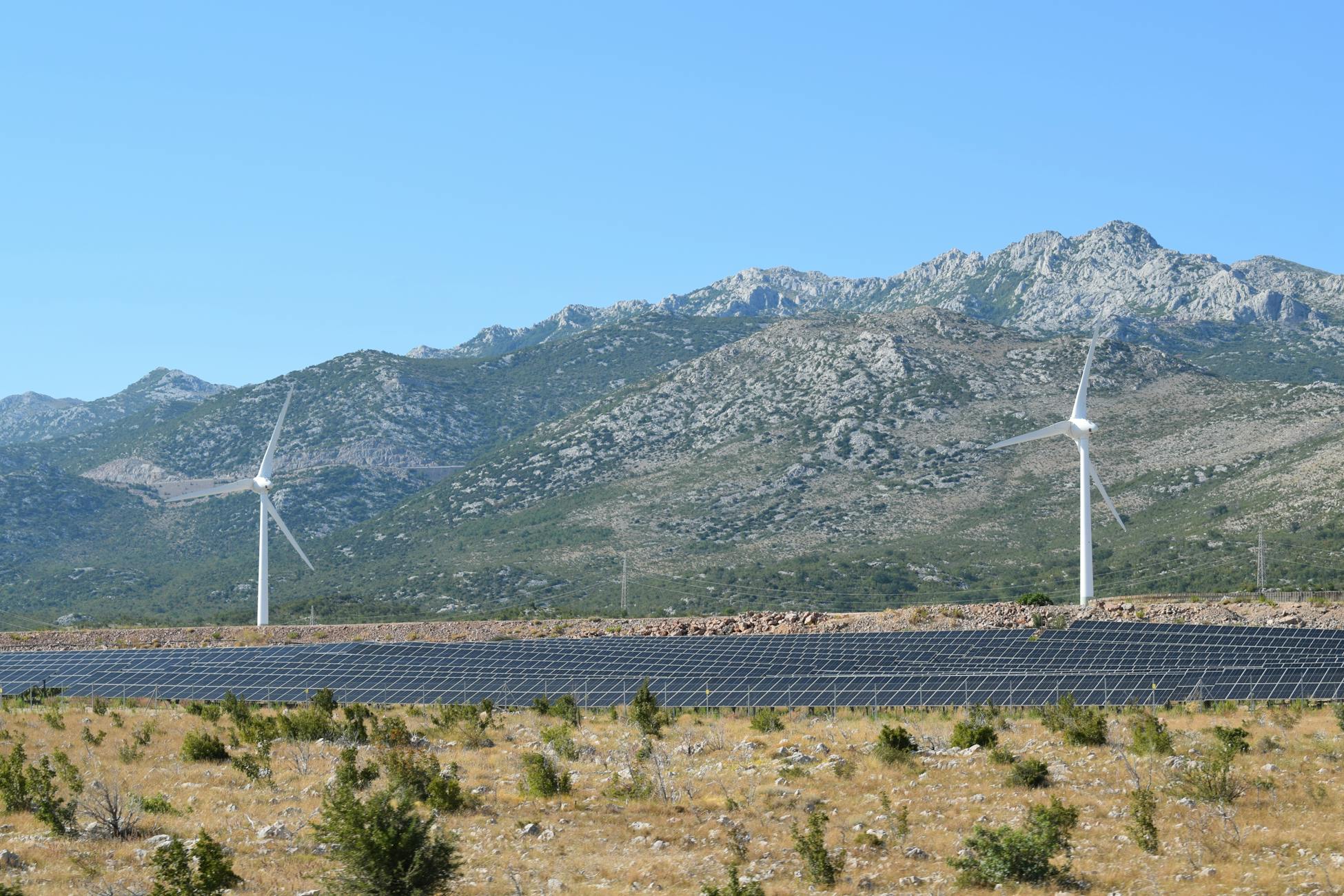
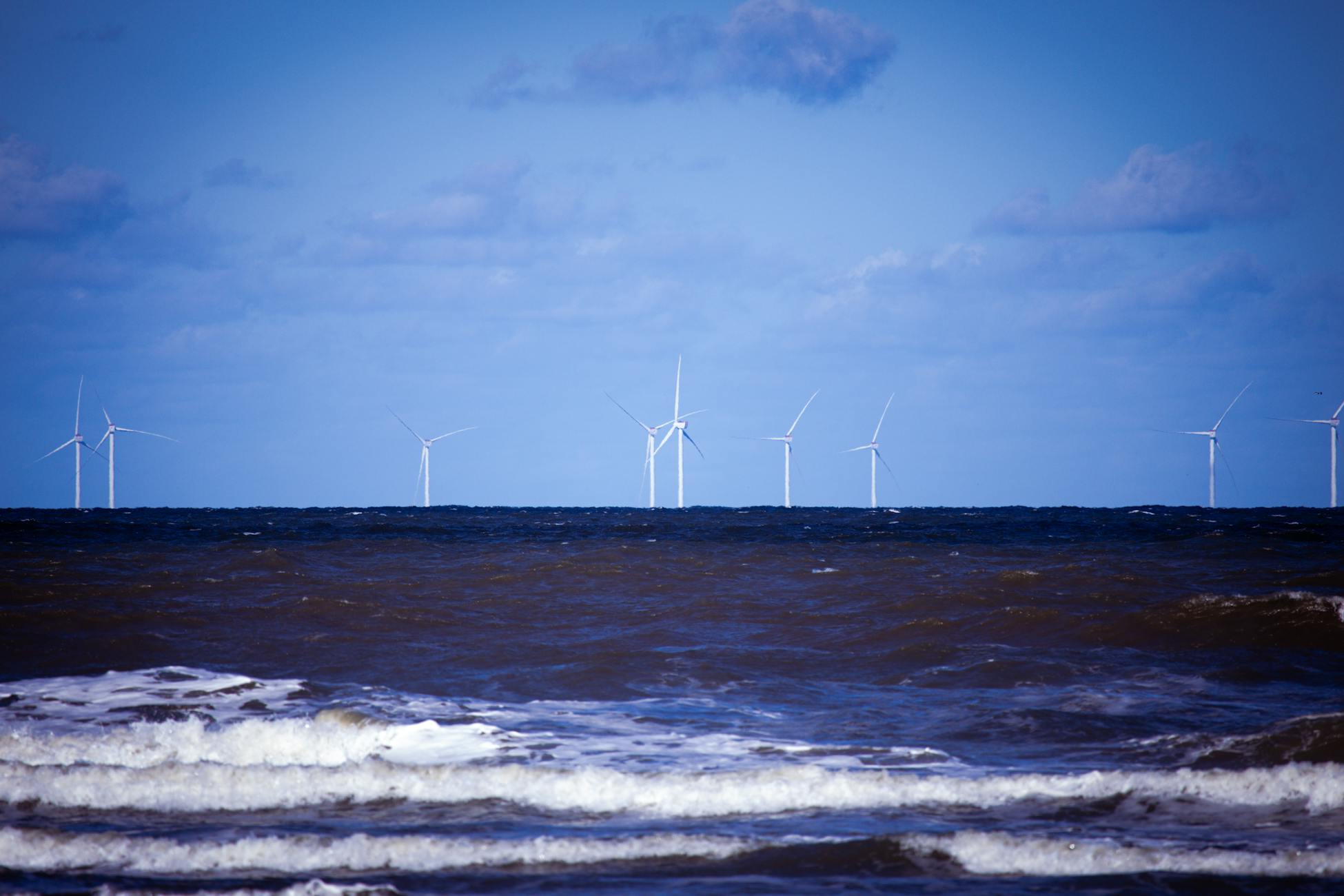
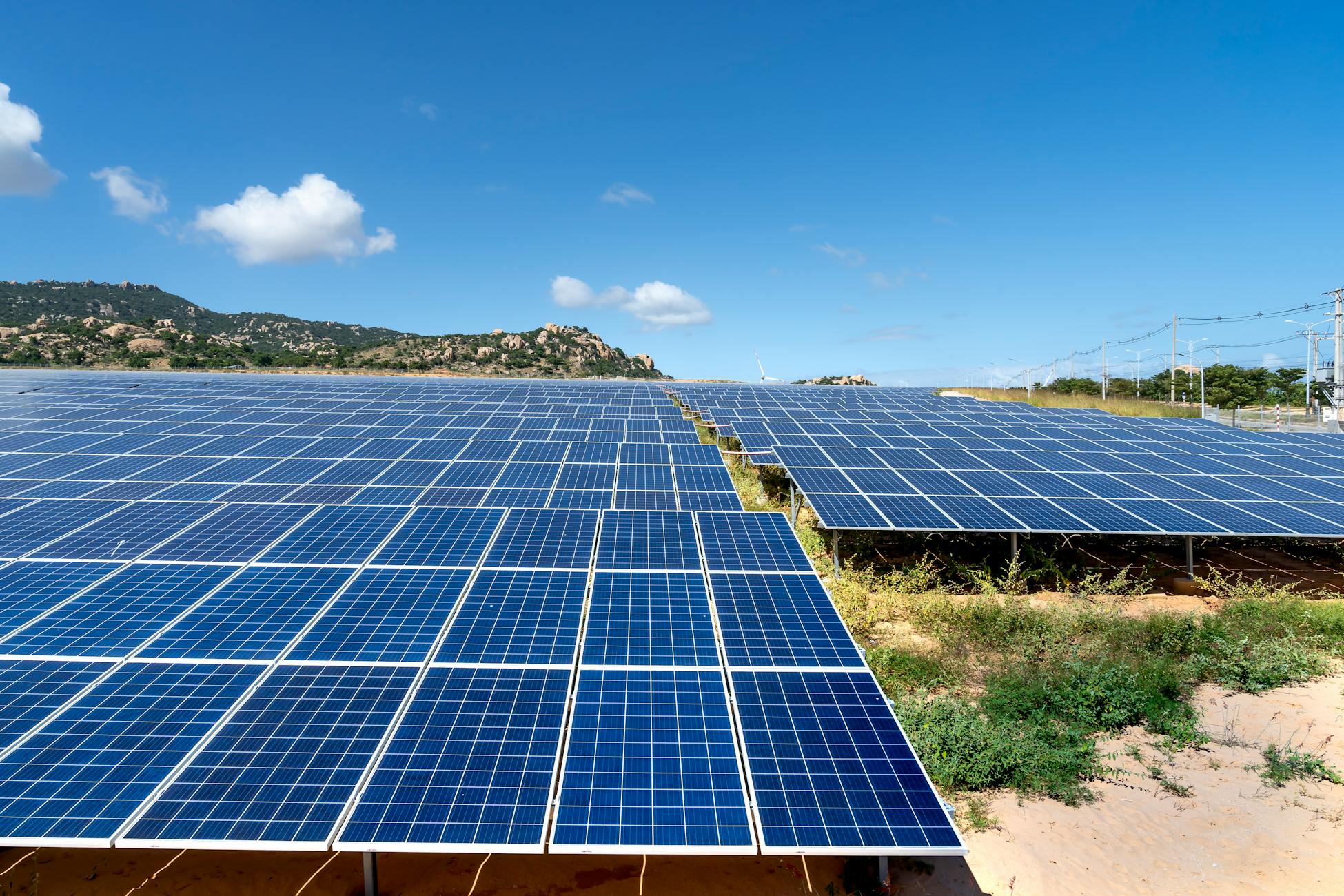
What makes the configuration interesting is what the fund has chosen to buy with increasing emphasis. Over the past decade, it has built itself into the largest single institutional investor in the global energy transition by absolute capital deployed. It holds significant equity positions in essentially every major Western solar, wind, grid-storage, and electrification firm. It has been allocated to unlisted renewable infrastructure directly — wind farms in the Netherlands, solar arrays in Spain — through a dedicated mandate created in 2019 and expanded since.
The contradiction is the point
The standard accounts of this arrangement tend to fall into two unhelpful categories. The first treats it as hypocrisy — Norway extracting hydrocarbons while lecturing the rest of the world about decarbonization. The second treats it as redemption — oil money laundered through clean energy investment into something approaching moral legitimacy. Neither interpretation captures what is actually happening.
The fund is not redeeming anything, and it is not pretending to. Norway continues to issue new exploration licenses in the North Sea and Barents Sea. The fund’s renewable investments are not offsets in any accounting sense. They are, on honest accounting, simply where the risk-adjusted returns are increasingly believed to be. The shift in institutional capital toward climate-aligned assets has been driven less by ethics than by a sober recalculation of where long-duration value will accrue over the next forty years — a horizon the fund, alone among major investors, is structurally required to consider.
This is the part the wider cultural register tends to miss. A sovereign wealth fund with a multi-generational mandate cannot afford the time horizons that quarterly-reporting asset managers operate within. It is, in effect, forced to think about what the global economy will look like in 2060 because that is when its beneficiaries — Norwegian citizens not yet born — will be drawing from it. From inside that time frame, fossil fuel equities look considerably less attractive than they do from a five-year window, and renewable infrastructure looks considerably more attractive.
Harvard Business Review’s recent analysis of institutional ESG investing notes that the framing has shifted decisively away from ethics-driven allocation and toward what they describe as a fundamental shift in how investors view ESG — namely, as a long-duration risk-management discipline rather than a values overlay. The Norwegian fund is the cleanest empirical example of that shift operating at scale.
The structural irony
Writers on this site have explored the strange asymmetries that emerge when the infrastructure of the energy transition is built using the energy system it intends to replace — Chinese solar panels manufactured with coal-fired electricity, electric vehicle batteries refined in petroleum-intensive supply chains. The Norwegian fund is the financial counterpart to that physical irony. The capital deploying into the transition was generated by the system being transitioned out of.
This is not a contradiction that resolves itself through better framing. It is, on honest accounting, the actual mechanism by which large-scale energy transitions have historically occurred. Whaling profits financed the early petroleum industry. Coal profits financed early electrification. The pattern is that incumbent extractive industries generate the surplus capital that funds their own eventual displacement, often without intending to. Norway has simply made the process explicit, legally structured, and unusually transparent.
What this actually demonstrates is something the standard climate discourse has difficulty accommodating: the transition is being financed, in significant part, by fossil fuel money behaving rationally within a long-enough time horizon. The Institutional Investor’s analysis of where sustainable capital is actually flowing concludes that sustainable investing remains the future of finance precisely because the largest pools of patient capital cannot afford to bet against it.
Surveys of global asset owners indicate that a significant majority expect their proportion of sustainable assets to increase over the coming years, with the largest pension and sovereign funds leading the shift. The Norwegian fund is not following this trend so much as partially constituting it.
What the divestment list actually reveals
The fund maintains a publicly available exclusion list — companies it has chosen not to invest in on ethical or risk grounds. The list is shorter than one might expect and considerably more selective than the popular narrative suggests. It excludes producers of cluster munitions, tobacco, thermal coal above certain thresholds, and a handful of firms for severe environmental damage or human rights violations. It does not, notably, exclude the major integrated oil and gas majors, though it has trimmed exposure to pure-play upstream firms.
The selectivity matters. The fund is not pursuing moral purity. It is pursuing a defensible long-term portfolio under the assumption that certain business models are likely to lose value over multi-decade horizons regardless of their current cash flows. The reasoning is closer to actuarial than ideological — which is precisely what makes the arrangement so revealing. When fossil fuel capital, allowed to optimize freely over a long enough horizon, ends up funding the displacement of fossil fuels, the conclusion is not about Norwegian virtue. It is about what the math actually says when one is forced to look at it honestly.
Morningstar’s recent survey of institutional investors found that ESG and climate data have shifted from optional add-ons to core components of investment workflows, a transition the Norwegian fund effectively pioneered through its mandatory transparency requirements imposed by the Norwegian parliament. Broad financial reporting trends also note that investors are increasingly driving ESG transparency requirements upstream onto the companies they own — a dynamic in which a fund holding 1.5 percent of everything has, almost by accident, enormous leverage.
What the fund is not
The fund is not a climate solution, and the Norwegian government has been careful not to claim otherwise. The arithmetic of the transition does not balance on any single institution’s portfolio decisions, however large. The fund cannot offset Norwegian petroleum exports, and it does not pretend to. What it does, in some real way, is demonstrate the mechanism by which the transition actually gets paid for — not through philanthropy, not through climate-aligned vehicles built for the purpose, but through the patient redeployment of extractive surplus by institutions structurally required to think in generations rather than quarters.
The deeper observation is that the largest single financial bet on the energy transition was placed not by any green sovereign wealth fund built for the purpose, not by any climate-aligned philanthropic vehicle, but by the financial residue of the North Sea oil boom — by a country that decided, almost forty years ago, that the most important thing to do with hydrocarbon money was to put it somewhere it could not be spent. That decision, made for entirely different reasons, has turned out to be the single most consequential climate finance commitment in the world. The transition, it turns out, is being financed by the very thing it intends to replace. This is not a paradox to be resolved. It is, on the evidence, simply how these things have always worked — and Norway is the first country to have built the apparatus to do it deliberately.
