
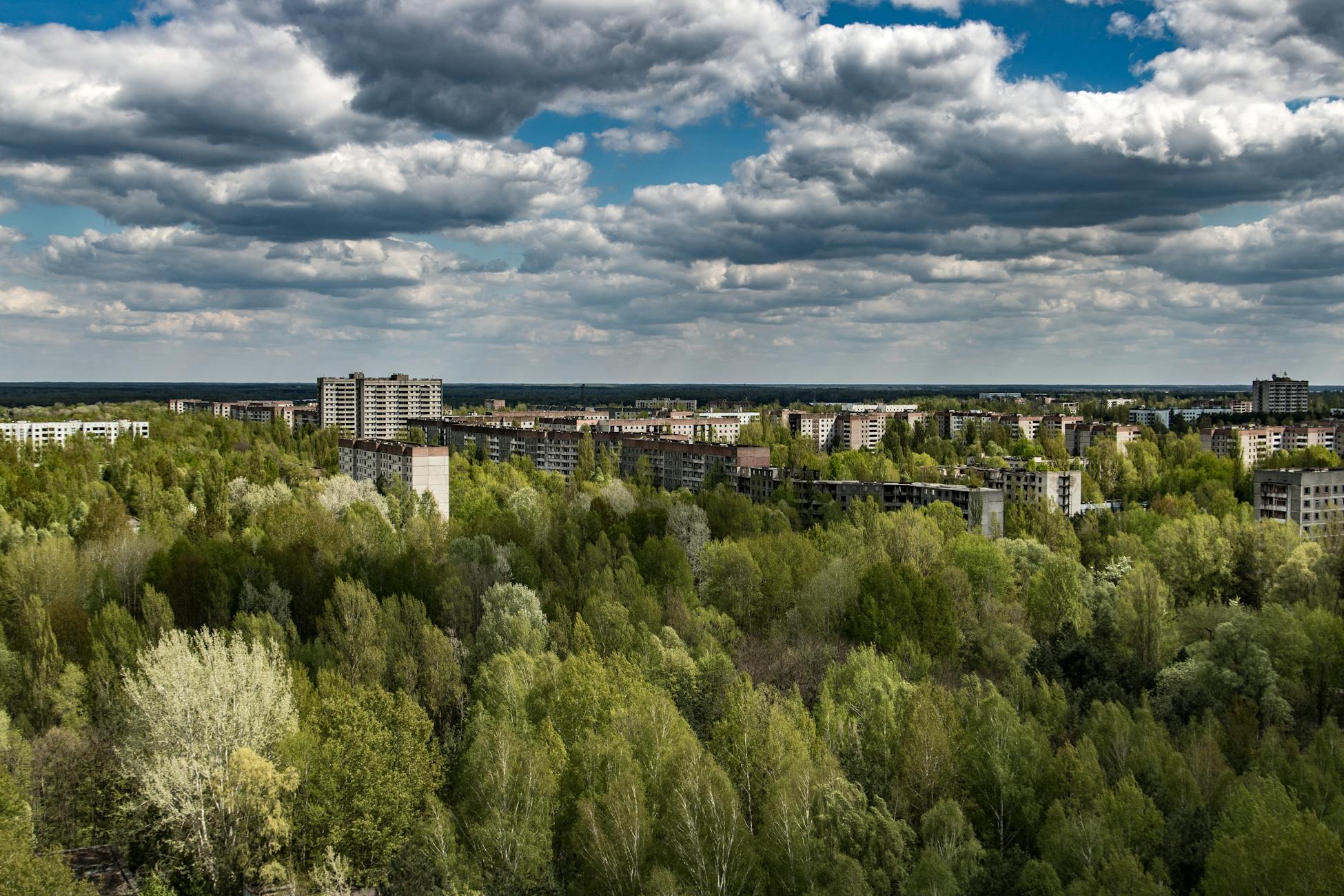
The gray wolf population inside the Chernobyl Exclusion Zone has undergone a dramatic resurgence over the four decades following the nuclear catastrophe. According to researchers tracking the area, wolf populations are seven times higher than they were before the accident because there is less human pressure. This accidental sanctuary highlights a stark, counterintuitive reality: the complete removal of modern human industrial activity has allowed apex predators and large mammals to flourish in a landscape once defined entirely by ruin.
This biological shift challenges the standard cultural framing of Chernobyl as a permanently silent wasteland. While the rusted Ferris wheel of Pripyat remains a potent symbol of human displacement, the surrounding environment has transformed into one of the largest nature reserves on the European continent. The absence of human exploitation has created a unique ecological refuge, demonstrating that human habitation and development are often more consistently disruptive to regional biodiversity than chronic radioactive contamination.
What is occurring inside the exclusion zone is a rewilding event without modern precedent in Europe. Wolves, lynx, brown bears, European bison, moose, and wild boar have established stable breeding populations across territory that was once intensively farmed, logged, and populated. Still inhospitable to humans, the Chernobyl “exclusion zone” — a contaminated 30-km radius around the site of the nuclear reactor explosion of April 26, 1986 — is now a nature reserve and teems with different wild animals. Among these are endangered Przewalski’s horses, which roam free and have successfully adapted to the radioactive landscape.
What the radiation does, and what it does not do
To understand this environment, it is necessary to separate popular folklore from rigorous biology. Scientists do not argue that chronic radiation is beneficial or harmless. Instead, long-term field observations reveal that the negative biological impacts of low-dose radiation are frequently neutralized or overwhelmed by the massive ecological benefits of removing human pressure.
The wildlife is certainly not untouched by its environment. Evolutionary biologists have found that wolves within the zone exhibit specific genetic variations and altered immune profiles that correlate with cancer resistance, representing a striking adaptive response across generations. Crucially, however, these animals are entirely liberated from the immediate threats of hunting, trapping, road traffic, or habitat fragmentation that compress wildlife populations in human-dominated areas.
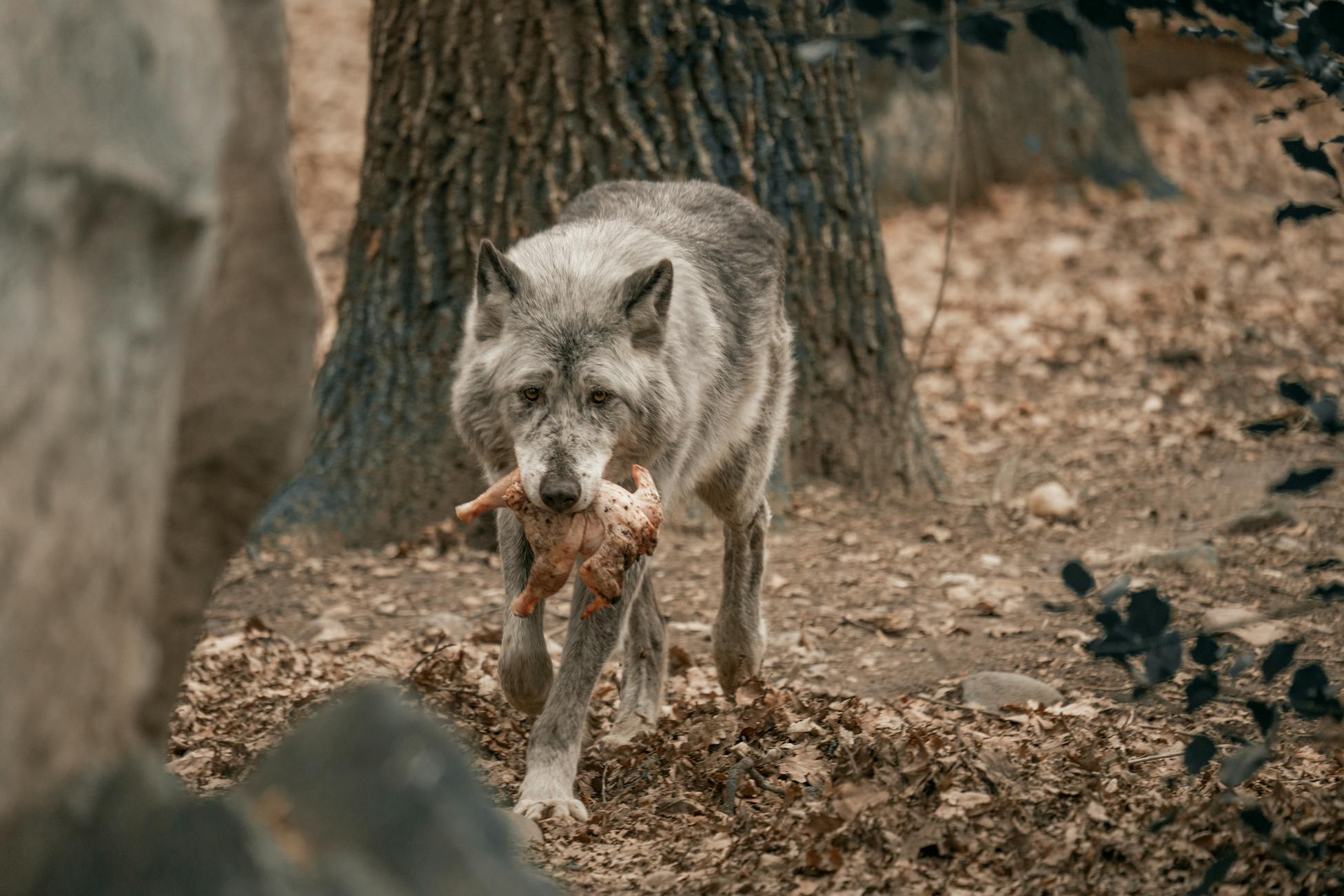
Subtler radiation effects are visible in other species, such as increased rates of cataracts in birds or altered skin pigmentation in local amphibians. Yet despite these individual biological costs, overall populations remain stable and continue to expand. The zone has effectively become an open-air laboratory for observing evolutionary adaptation and ecological resilience in real time.
The impact of human absence
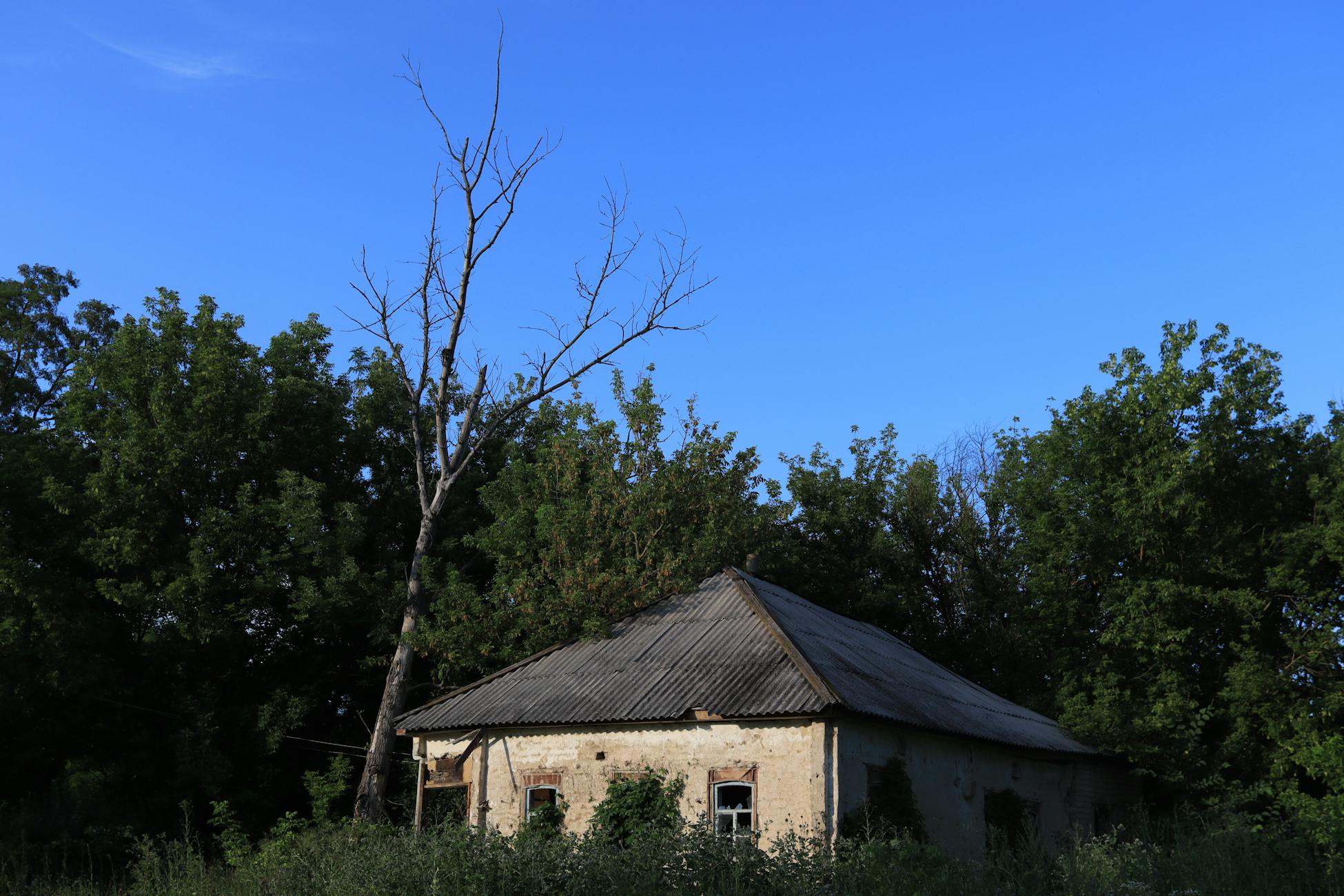
The exclusion zone serves as an inadvertent control experiment for modern ecology. The primary variable being tested is not the long-term impact of radionuclides, but the complete removal of the human footprint. By halting agriculture, logging, road construction, and urban development, an environment was created where nature could undergo a comprehensive reset.
On an honest ecological accounting, the departure of human populations did more to restore the biological diversity of the landscape than the nuclear accident did to destroy it. This does not minimize the profound human tragedy of the 1986 evacuation or the severe suffering of the acute responders and affected local communities. Rather, it underscores how deeply incompatible intensive modern development is with thriving wild ecosystems.
The fragility of an accidental sanctuary
This accidental sanctuary, however, remains remarkably fragile. The geopolitical realities of recent years have introduced new, direct threats to the region’s delicate balance. The military actions around the Chernobyl site in February 2022 disrupted decades of ecological stability, as heavy vehicles and fortifications disturbed long-settled radioactive sediments in areas like the Red Forest.
Forest fires, often sparked by modern military activity or downed drones, pose an ongoing hazard by potentially redistributing radioactive particles into the atmosphere. Furthermore, the disruption of continuous scientific monitoring programs has made it more difficult for international researchers to track how these ecosystems are evolving under renewed stress.
Rethinking conservation boundaries
The data emerging from decades of study in the exclusion zone complicates several traditional premises of environmental conservation. It challenges the conventional assumption that industrial contamination and robust biodiversity cannot coexist. It also demonstrates that severely disrupted landscapes possess an inherent capacity to recover far more rapidly than previously assumed, provided they are left entirely undisturbed.
While the wider culture retains an image of Chernobyl as a dead zone, the reality is a thriving refuge populated by apex predators and large herbivores. These species returned and multiplied without human management, reintroduction funding, or veterinary intervention. Their success suggests that the most effective conservation strategy is sometimes the most straightforward: providing nature with the space and isolation necessary to heal itself.
